

























































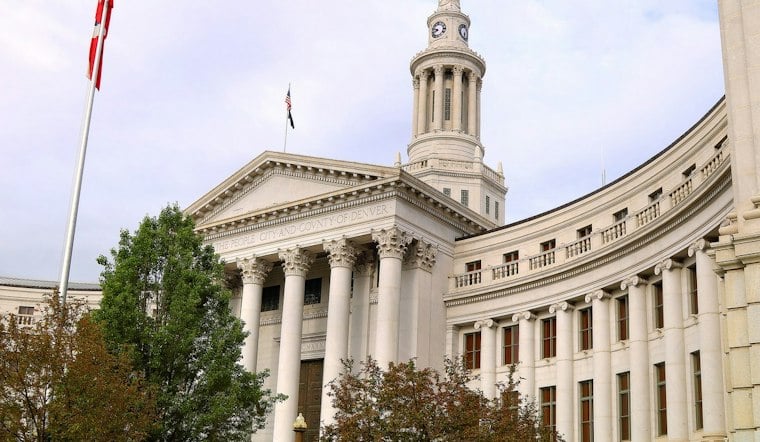
Denver voters are deciding Tuesday whether to permanently lock the city Auditor's Office into the business of chasing down wage theft, a question that landed on the ballot with zero organized opposition and no money raised in support of or opposition to it. Referred Question 2H would let the city auditor's office enforce wage-theft laws in perpetuity by writing that authority directly into the Denver City Charter.
If approved, the measure would amend exactly one line of the charter, according to Denverite. The new charter language would read: “Wage and Workplace Rights Enforcement. The Auditor shall enforce wage, worker protection, and workplace rights, as the Council by ordinance may require.” That single sentence would effectively future-proof a role the auditor's office has already been expanding for years.
A Decade of Growing Enforcement Authority
Denver City Council has steadily handed the city auditor more muscle on wage-law enforcement since 2016, building on wage-law enforcement work the office has done since 1950, per the same Denverite report. In April 2024, the council went further, giving the auditor's office the power to subpoena companies suspected of wage theft. Question 2H would make those powers more permanent by embedding them in the charter rather than leaving them subject to ordinary legislative changes.
The division actually doing the enforcement work is Denver Labor, which the office describes as investigating “100 percent of wage complaints” it receives while enforcing the city's Minimum Wage, Civil Wage Theft and Prevailing Wage ordinances, according to the Denver Auditor's Office. The office's own 2025 annual report shows the scale of that work: 859 wage-theft cases closed with restitution and $2,310,010 in restitution received last year alone, figures the office characterized as record highs.
The Strip-Club Case Behind the Numbers
Nothing illustrates the stakes of that enforcement authority quite like the case the auditor's office brought against two Denver strip clubs in 2025. The office pursued Diamond Cabaret and Rick's Cabaret over allegations of questionable workplace practices and wage theft involving entertainers, bartenders and servers, ultimately ordering the clubs to pay $13,958,000 in restitution and penalties after finding more than 230 workers were victims of wage theft, per the same annual report. Late last year, a Denver District Court judge affirmed a hearing officer's decisions upholding the office's investigation and subpoenas in the case, the report states.
Separately, the Auditor's Office says it collected about $10 million in restitution fees over the last ten years combined, as reported by Denverite. Supporters of Question 2H argue that kind of enforcement muscle is worth protecting from future political shifts by locking it into the charter itself.
No Opposition, No Campaign Spending
Unlike many ballot fights, Question 2H arrived with essentially no drama attached. Denver City Council sent the amendment to voters without opposition, though two council members were absent for the vote, Denverite reported. Current Auditor Timothy O'Brien and Matthew Fritz-Mauer, who leads the office's labor division, both back the amendment, and the outlet reported that no one had officially come out against the measure and no money was raised in support or opposition to it.
Question 2H appeared on the same Denver ballot as Question 2I, which would let the city council adopt a two-year budget-planning process, according to The Denver Post. Denverite reported that the first election results were expected to begin appearing at 7 p.m. Tuesday.




