

























































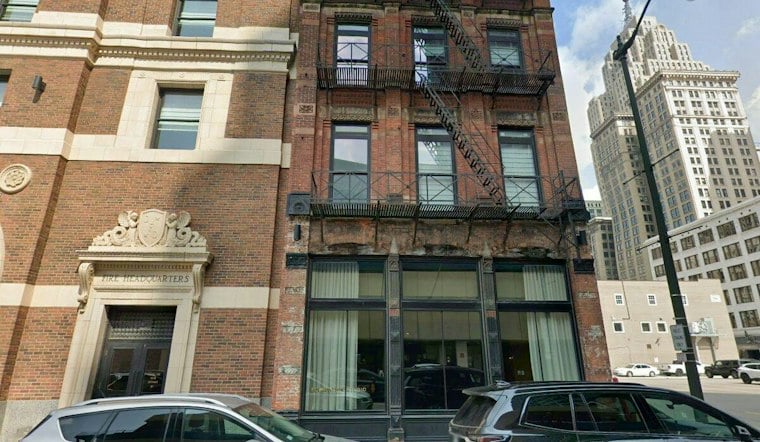
A man convicted in the 2011 shooting death of Wayne State University football player Courtney “Cortez” Smith outside a downtown Detroit nightclub is asking a judge to throw out his conviction, arguing that newly surfaced evidence contradicts what jurors were told at trial. Smith was shot and killed in a scuffle outside the club in downtown Detroit that year, and the man convicted in his death, Anton Blevins, now says the case against him rested on a false premise about video evidence.
According to the Detroit Free Press, jurors who convicted Blevins in Smith's killing were told there was no video of the shooting, and new evidence now suggests otherwise. Smith was shot multiple times and killed outside Club Envy on May 5, 2011, according to Voice of Detroit. Blevins was convicted on February 22, 2013, of second-degree murder, six counts of assault with intent to do great bodily harm less than murder, and felony firearm, the outlet reports.
Defense Alleges a Concealed Videotape
Blevins' attorney, Michael Dezsi, filed a motion for relief from judgment and an evidentiary hearing on August 4, citing newly discovered evidence the defense says falls under Brady disclosure rules, per the same outlet's reporting. The motion alleges that police and prosecutors concealed a videotape from Club Envy that a detective identified at trial, Thomas, claimed did not exist — an allegation raised in the defense filing rather than a finding by any court, the report notes.
A separate account from the outlet's reporting says the defense attached sworn affidavits from people who were at the scene, who identified another man and his friend as the ones who shot and killed Smith. That claim comes from the defense filing itself, and the evidence reviewed does not independently establish the affidavits' contents.
Case Now Before a Different Judge
Blevins' latest bid is in front of Wayne County Circuit Court Judge Nicholas Hathaway, who denied an earlier motion for a new trial filed under state law in 2024, per the same reporting. It is not clear from available records whether Hathaway has ruled on the current motion.
The case has a contested history on appeal. Voice of Detroit's reporting dates a dissent calling for a new trial for Blevins — over concerns about faulty witness identifications and the use of football team and “peacekeeper” metaphors at trial — to January 12, 2016, attributed to Judge Douglas B. Shapiro. A Michigan Court of Appeals document excerpt, however, is headed February 11, 2016, and identifies Shapiro's writing in the case as a dissent. The two sources do not agree on the date.
Part of a Broader Pattern of Appeals
Blevins' fight is unfolding against a backdrop of rising pre-conviction appeals in Michigan. The Detroit News reports that the number of such appeals has grown since the state began funding indigent clients for trial-level defense work. The outlet has also covered cases with echoes of Blevins': it reported that the Michigan Court of Appeals affirmed the dismissal of two Detroit men's murder convictions after a trial judge found that missing evidence violated their due-process rights, and separately that the Michigan Supreme Court vacated the life sentence of a man convicted in the murder of a security guard outside a different Detroit nightclub and granted him a new trial.




