

























































More than a year after Detroit barred trucks from cutting through several District 6 streets, residents say the rumble of heavy rigs past their homes has quieted, but hasn't disappeared. Detroit Police have made 190 commercial-vehicle stops, issued 381 ordinance violations and inspected 57 commercial vehicles since September, part of an enforcement push that followed months of driver education.
Rules Meant to Keep Trucks Off Residential Blocks
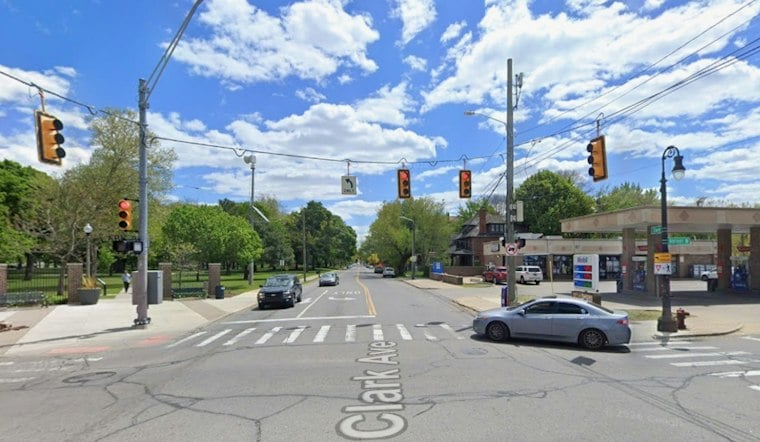
The restrictions, which took effect in October 2025, prohibit truck traffic on stretches of Livernois, Dragoon, Clark, Scotten and West Grand Boulevard, along with residential streets unless otherwise posted, according to ClickOnDetroit. Trucks are instead directed to designated routes including Fort Street, Michigan Avenue, John Kronk, Dix and the I-75 service drive, with limited access still allowed on some streets for local deliveries. City officials say the goal is to discourage cut-through traffic while preserving truck access to businesses and freight facilities on approved routes.
The rules grew out of a city study and community input gathered in 2025. That study found more than 1,200 truck trips a day at the Livernois Junction Intermodal Terminal, a volume that helped shape where the new restrictions would land. Detroit began actively enforcing the restrictions in July, after first focusing on educating drivers about the changes.
Residents Say Streets Feel Different, But Not Fixed
City Councilmember Gabriela Santiago-Romero, who represents District 6, said truck numbers on neighborhood streets have fallen substantially. She recalled that in the past, three to five semi-trucks would have passed behind her at Clark Park; that frequency, she said, is no longer the norm.
Mitch Batchelder, who lives on Clark Street, said there are a lot fewer trucks passing his home these days, though he's noticed that some still use restricted streets. He believes driver education remains important going forward, even as enforcement continues. Residents have described living with truck noise, road damage and emissions for years, and say the concern hasn't fully gone away even with fewer vehicles passing through.
Taneil Brock said truck traffic has lessened but can still feel dangerous, particularly when large trucks pass parked cars on narrow residential blocks. She supports keeping trucks on major roads rather than routing them through residential streets. The tension in her description, less traffic but still real risk, echoes what other residents along the restricted corridors have reported since enforcement ramped up.
What Comes Next for Other Neighborhoods
Santiago-Romero said the city is considering whether to explore additional truck routes around Lonyo Street near Romanowski Park and in ZIP code 48217. Planning for those areas could take longer, she noted, because the roads involved span city, county and state jurisdiction. Other Detroit districts are gathering resident feedback as they weigh similar truck traffic studies of their own.
The broader push to separate truck traffic from residential blocks in Southwest Detroit isn't new. WXYZ reported that restrictions rerouting commercial trucks away from residential areas, paired with targeted police enforcement, were designed to maintain delivery access for businesses while keeping through-traffic off residential streets. The outlet also noted that Vernor Highway alone sees more than 700 trucks a day, underscoring how much freight traffic flows through the area even with new routing in place. Axios has reported that Detroit's Department of Public Works has the authority to regulate truck traffic on these roads under existing ordinances, without needing City Council approval.
Detroit residents who spot trucks parking, idling or traveling on restricted routes can report the activity through the city's reporting portal. The city's truck-route network, according to a page on the City of Detroit's website, reflects routes developed through the Southwest Detroit Truck Network Implementation Study. For now, the restrictions appear to be doing some of what they were designed to do, even as residents like Batchelder and Brock say the job isn't finished.



