

























































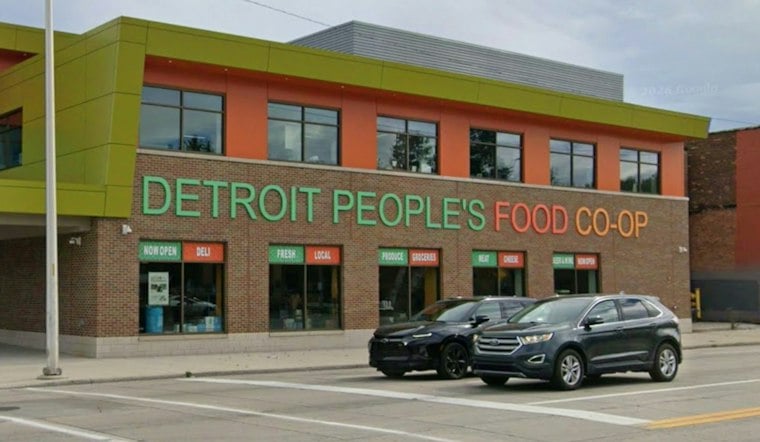
Detroit's school board race has drawn one of the biggest fields of candidates in a decade, with dozens of Detroiters vying for just five open seats on the Detroit Public Schools Community District board. Seven of them faced off in person on October 29, laying out starkly different visions for a district still digging out from building closures, high absenteeism, and a leadership fight over Superintendent Nikolai Vitti.
The forum, held at the Detroit People's Food Co-Op, was organized to let candidates speak directly to voters about their plans, according to The Michigan Chronicle. The newspaper, reporting with writer Biba Adams, described the event as part of a Detroit Public Schools Community District Forum hosted alongside 482Forward and said it brought together seven of the candidates seeking the five open slots on the November 3 ballot. Accounts of just how many people are running differ: the Chronicle put the total field at 33 candidates, while Michigan Public reported 34 Detroiters on the ballot — in either case, the largest slate the district has seen since 2016, when more than 60 people ran.
Candidates at the co-op forum weighed in on curriculum, aging school buildings, student absenteeism, and district finances, issues the Chronicle described as critical to Detroit students, families, and educators. Those themes echoed through individual candidates' platforms, even among those who did not attend the forum in person.
A Crowded Field With Only Two Incumbents
Despite the sprawling list of names, just two sitting board members are seeking reelection: Steve Bland and Bessie Harris, both appointed last year to fill out unexpired terms, per Michigan Public's reporting. Bland, pastor of Liberty Temple Baptist Church and a current DPSCD board member, said his time on the board and his community advocacy work have sharpened his ability to push forward both personal and district-wide goals. He has emphasized chronic absenteeism and maintaining state funding amid federal cuts.
Michigan Public reported that 31 of the candidates are running for four-year terms, while three — Ijazz Jackson, Aliya Moore, and Shawn Vaughn — are seeking two-year partial terms. The outlet also noted that just 19 of the 34 candidates it counted responded to a Chalkbeat questionnaire covering absenteeism, enrollment, and looming cuts to interventionist funding, leaving voters with uneven information about where many hopefuls stand.
Closures and a Push to Oust Vitti
Several candidates at the forum tied their campaigns to reversing the district's building closures from June, when Ann Arbor Trail Magnet School, J.E. Clark Preparatory Academy, Catherine Blackwell Institute, and Greenfield Union Elementary-Middle School all shut down, as detailed by Chalkbeat Detroit. Nicole Conaway, a longtime DPSCD teacher and member of the Detroit Federation of Teachers who was fired by the district after challenging its in-person work requirement in 2022, said she supports reversing those closures and wants to fire Vitti in favor of a superintendent who she says would respect the community and advocate for student resources. BAMN candidates have called for organizing in Lansing to seek money they say the state owes DPSCD.
Liana Stern Mulholland wants to stop the closure of Thurgood Marshall Elementary; Ann Arbor Trail Magnet was one of four schools closed in June. Mulholland has described herself as an organizer and civil and immigrant leader since age 13.
Five candidates affiliated with By Any Means Necessary, or BAMN, were seeking board seats. At the forum, candidates offered a unified message, according to the forum coverage — that Detroit Public Schools need more transparent leaders and parents willing to demand more from the administration. Shawn Vaughn, a BAMN organizer, said he wants to work for the district.
Other Platforms: Buses, Transparency, and Youth Work
Aliya Moore, a west-side Detroit native, mother of two, and activist who said she began organizing against state-imposed emergency management of Detroit's schools, proposed expanding yellow-bus service or partnering more closely with the Detroit Department of Transportation to get students to class. Cidney Calloway, who describes herself as a servant-leader, said her focus is on student outcomes, public trust, and progress in every neighborhood, backing transparent communication, meaningful partnerships, student success, educator support, family involvement, and accountable leadership.
Terry Whitfield, who has worked nearly 20 years in youth development, community organizing, and philanthropy — including 10 years as a youth development worker and community organizer with Southwest Counseling Solutions and Alternatives for Girls — said his priorities include students, third-grade literacy, accountability, family and community partnerships, chronic absenteeism, and equitable funding.
The Academic Backdrop: Gains, But Still Lagging
The candidates are campaigning against a backdrop of mixed academic news. DPSCD reported record math proficiency in every grade from 3 through 8 during the 2025-26 school year, along with record ELA proficiency in five of six grades and a record-high SAT math score among 11th graders. The district also narrowed its proficiency gap with the state by 7 percentage points in grades 3-8 ELA, from 32 to 25, and by 10 points in grades 3-8 math, from 31 to 21. On the SAT, DPSCD closed the evidence-based reading and writing gap by 10 points, from 27 to 17, and the math gap by 14 points, from 25 to 11.
Those gains build on broader improvement documented by Chalkbeat Detroit, which found the district made small year-over-year gains in reading, writing, and math in nearly every grade on the 2025-26 M-STEP, with third graders reaching a 12-year high in the share scoring proficient or above in reading and writing. Still, chronic absenteeism sat at 60.9%, only slightly below its pandemic-era rate, the same report found. And despite the progress, BridgeDetroit reported that DPSCD and many of the city's charter schools still lagged far behind statewide averages in 2026, with charters outperforming the district in reading and writing in every grade even as the gaps narrowed.
Some candidates have floated structural fixes beyond the ballot box, including the idea that a metropolitan-wide school district could provide shared resources and help address inequality within DPSCD. Wayne State political science professor Kevin Deegan-Krause has suggested that school board politics nationally, and in Detroit, have likely grown more ideological amid increasing political polarization — a dynamic visible in a race that pits incumbents focused on literacy and funding against insurgent slates demanding leadership change and reversed closures.





