

























































A maintenance crew clearing a drainage ditch near West Orange Avenue and Springhill Road in Tallahassee stumbled onto human remains in 2002, leaving investigators with no name and no leads. Twenty-four years later, advanced DNA testing has finally identified those remains as George Sotelo, a man who left California in 2001 and was never heard from again.
According to wbrc.com, the remains sat unidentified for years after the 2002 discovery, with investigators holding little more than the location where the maintenance crew found them among debris. It would take nearly a decade before the case saw any forensic movement at all.
A DNA Profile That Went Nowhere for 15 Years
In 2010, investigators developed a DNA profile from the remains and entered it into the national Combined DNA Index System, but the search turned up nothing. As wbay.com reported, no matches were found at the time, leaving the case cold for another fifteen years with no new avenue for identification.
The break finally came in 2025, when a grant awarded through the Florida Department of Law Enforcement allowed the remains to undergo advanced DNA testing and forensic genetic genealogy, the station's report noted. That process eventually pointed investigators toward relatives who could help confirm an identity, something the earlier CODIS search had never been able to do.
A Brother's DNA Closes the Case
The genealogy work led investigators to Sotelo's family, and DNA provided by his brother confirmed the identification, per the same account. It was the first concrete answer the family had received since Sotelo left California in 2001 and vanished from contact.
Even with a name attached to the remains, the central mystery of what happened to Sotelo remains unsolved. Police said the circumstances surrounding his death and how he arrived in Tallahassee remain unknown, the article notes, leaving a gap in the timeline between his departure from California and his presence in North Florida.
Investigators Still Want to Hear From Anyone Who Knew Him
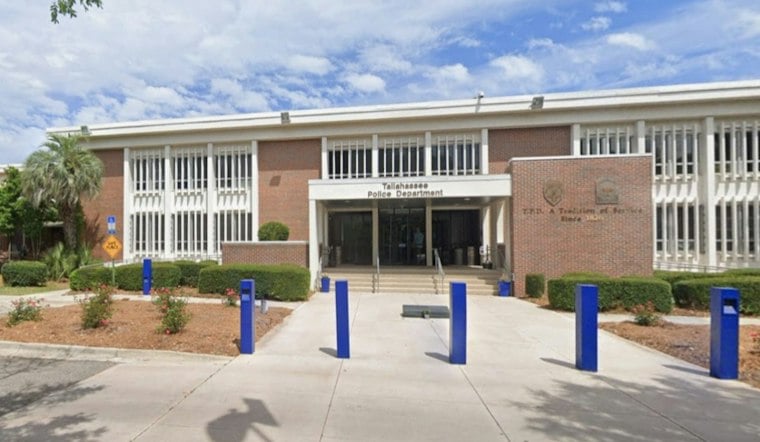
The Tallahassee Police Department has asked the public for help filling in that gap. Anyone who may have known Sotelo or encountered him during his travels back in 2001 or 2002 is encouraged to come forward, according to wbrc.com's report. The Big Bend Cold Case Task Force echoed that appeal, with wtxl.com reporting that investigators are asking anyone who knew Sotelo or may have encountered him during his travels in 2001 or 2002 to contact them directly.
Part of a Statewide Push to Name the Unidentified
Sotelo's case fits into a broader statewide effort. The Florida Department of Law Enforcement and the Florida Medical Examiners Commission launched the Unidentified Deceased Initiative back in 2006, a joint effort aimed at identifying unidentified deceased people across the state. The agency provides both analytical and investigative support services as well as crime laboratory services to help close these cases, and its biology unit accepts DNA reference samples from missing persons, their relatives, and unidentified remains alike.
FDLE has noted that technology advancements have increased the chances of matches between long-term missing-person cases and unidentified deceased persons, a trend that played out directly in Sotelo's identification. The case also reflects a growing reliance on national tools like NamUs, described as a unified, online, free, secure database for unidentified remains and missing-person records.
For now, Sotelo's family has the answer they waited a generation for, even as the larger question of what happened to him in the years between his 2001 departure and his 2002 discovery in Tallahassee remains open. Investigators are continuing to rely on the public to help close that remaining gap.





