

























































A hiker suffered a traumatic injury after falling on the trail at Safford Peak on Tuesday, triggering a rescue effort that combined a drone search, a steep uphill hike by crews, and a helicopter evacuation to an emergency room. Tucson Fire Department personnel took over the response from Picture Rocks Fire personnel and responded around noon, according to details from the incident.
Drone Finds the Patient and Maps a Route
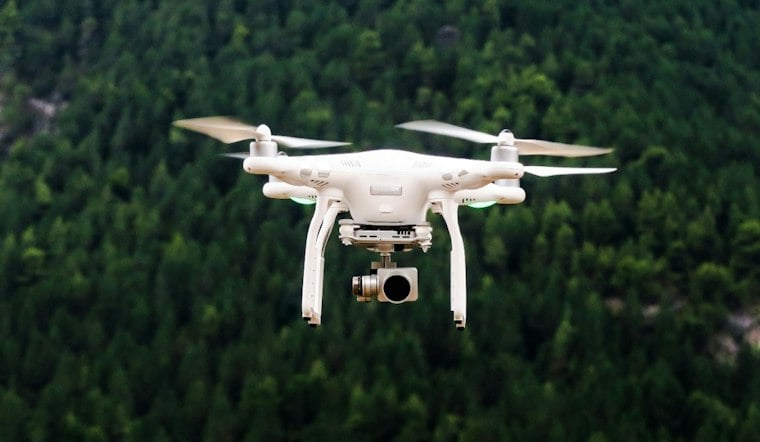
As reported by KVOA, the Tucson Fire Department launched a drone that located the victim and identified the best route for crews to reach them on the rugged terrain. From there, rescue crews hiked for more than an hour through steep, rocky ground to reach the patient, a trek that underscored just how remote and difficult the terrain around Safford Peak can be.
The drone search also reflects a defined role for unmanned aircraft in emergency response: the FAA lists search and rescue among government and public-safety uses. For drones under 55 pounds, public agencies can operate under Part 107 rules or as public aircraft under a certificate of waiver or authorization; the agency also says it can issue emergency authorizations for first responders. The FAA’s public-safety guidance outlines those options.
Tucson Fire, Northwest Fire and the National Park Service requested air support for the evacuation. A U.S. Border Patrol Black Hawk helicopter arrived as crews reached the hiker, and the patient was ultimately transported by helicopter to an emergency room for treatment, the outlet's report notes.
Crews Credit Partner Agencies for the Rescue
Tucson and Northwest Fire crews hiked out with other hikers who were also on the trail at the time, according to the same account. The Tucson Fire Department credited the rescue's success to regional partners, the regional TRT group, the drone operator, and BORSTAR partners for pulling off the difficult evacuation.
BORSTAR is the Border Patrol’s specialized search-and-rescue and medical-response unit, and its work extends beyond immigration enforcement. The agency says the team can provide mutual aid to local, county, state, tribal and federal partners for search-and-rescue missions and disasters. That mutual-aid role helps explain how Border Patrol personnel can join a local fire-led response such as the Safford Peak evacuation.
Rescues on steep, remote terrain are not unique to Safford Peak this year. In March, a 61-year-old hiker was rescued from the Arizona Trail near Pat Scott Peak after experiencing severe medical symptoms more than five miles from the nearest road, with Arizona Department of Public Safety Air Rescue conducting a hoist operation to lower a rescue specialist directly to the hiker's location, per the same outlet's coverage. That incident, like the Safford Peak rescue, relied on aircraft because crews on foot simply couldn't reach the patient fast enough.
A Pattern of Hiker Rescues Around Tucson
Hiker rescues have become a regular occurrence for Tucson-area crews. Earlier reporting found that, as of mid-2025, Tucson Fire had responded to five hiker rescue calls that year, compared with eight the year before — a tally that included seven hikers, among them a 15-month-old toddler, rescued from Sabino Canyon on a Sunday amid scorching temperatures.
The rescue totals can rise sharply during extreme heat: over the weekend of Aug. 22-23, 2026, Pima County Sheriff’s Department Search and Rescue responded to 16 hiker rescues near Seven Falls, including 14 on Sunday. One person was airlifted, while other hikers needed help after running out of water or needing to cool down. The department’s account of that weekend shows how one call can expand into assistance for multiple groups.
Not every call ends in a hospital trip. In late September, a hiker who became lost and exhausted in the Tucson Mountain Park trail system was evaluated at the scene by a paramedic and refused medical transport, the outlet reported. And in early October, firefighters responding to a hiker in distress on the 36th St. Trail on Tucson's west side got an assist from nearby mountain bikers, who helped rescuers locate the hiker and return them to their vehicle.
Fire Department's Advice for Desert Hikers
Following the Safford Peak rescue, the Tucson Fire Department reminded hikers that desert hiking requires preparation in every season, not just summer. The department recommended hiking in a group or telling someone where you are going before heading out on a trail.
Crews also recommended carrying enough water and food for the full hike, along with bringing a first aid kit. The guidance echoes a theme seen across the string of rescues this year, where remote terrain and a fall or medical emergency have repeatedly turned routine hikes into multi-agency operations involving ground crews, drones, and aircraft.



