

























































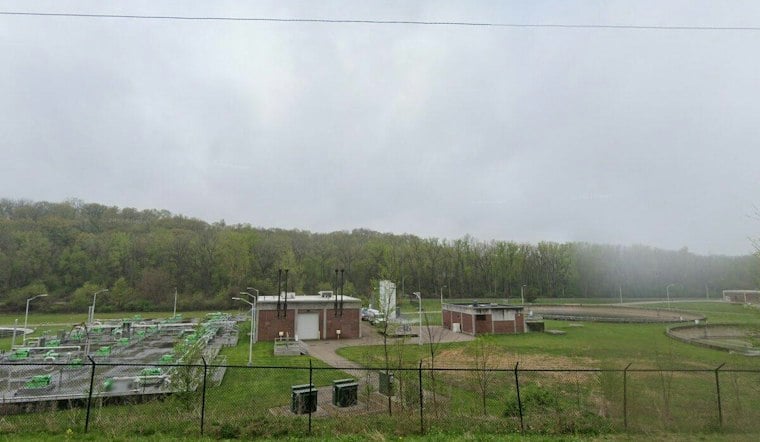
A pipe carrying most of Dubuque, Iowa's sewage sits exposed along the Mississippi riverbank, vulnerable to the barges that occasionally run aground nearby, and city officials now have a $10.3 million plan they say could protect it for another 40 years. The proposal calls for shoring up the eroded bank with large rocks and gravel to shield the 42-inch force main, which was installed in 1977 and now carries 65% of the city's sewage.
The plan is split 65%-35% between the U.S. Army Corps of Engineers and the city of Dubuque, according to KCRG. The Army Corps, a federal agency responsible for civil engineering and water infrastructure work including flood control along the Mississippi, would take on the larger share of the cost. Wisevoter, which published its coverage on Nov. 27, the day after KCRG's Nov. 26 report, described the plan as a joint effort between the city and the Corps to protect the exposed line before erosion worsens, per Wisevoter.
Dubuque water official Deron Muehring told the station the pipe itself remains structurally sound, but the sections left bare by riverbank erosion have no protection against river traffic. He said barges sometimes park near the pipe and have previously run aground in the area, a risk that has pushed the reinforcement project forward.
What's at Stake if the Pipe Fails
If the pipe were to break, the station's report notes up to 4 million gallons of raw sewage could flow directly into the Mississippi River every day. An official with the National Mississippi River Museum & Aquarium said such a break could expose people to harmful bacteria and threaten fish downstream.
Muehring said the rock-and-gravel reinforcement would protect the pipe for another 40 years once completed. Earlier coverage from the same station, in 2021, described a related but separate sewer-main project estimated at $7.7 million, with the city covering about $2.7 million, aimed at stabilizing about 3,000 feet, where roughly 180 feet of the line was exposed; that earlier report put the line's share of the city's daily wastewater flow at about 80%, a figure that differs from the 65% cited in the newer report. The dossier does not explain whether that difference reflects changed conditions, different measurements, or a different project scope, so both figures are noted here as reported.
Railroads Hold Up Construction Timeline
Before any work can begin, crews need permission from Canadian National and Canadian Pacific Kansas City to use land the railroads control along the river. Canadian National is a major Canadian freight railroad, while Canadian Pacific Kansas City is the North American freight carrier formed by the merger of Canadian Pacific and Kansas City Southern.
Both railroads told the station they are prepared to review the plans and help advance the project, though neither has granted permission as of this report. No construction start date or approval timeline has been announced.
A Cautionary Example From Colorado
The risks of a major sewer-line failure were illustrated earlier this year in Pueblo, Colorado, where a failed wastewater pipe released approximately 4.25 million gallons of untreated sewage into the Arkansas River, according to Wastewater Digest. That release was discovered and stopped on a Thursday after sewage entered the stormwater system and discharged into the river, and officials there advised downstream communities to avoid contact with the water until testing showed bacteria levels had returned to normal.
Dubuque's situation has not reached that point, and Muehring has been clear that the force main itself remains sound. But the exposed sections along the Mississippi riverbank, combined with a history of barges running aground nearby, are what the $10.3 million plan is meant to address before any failure occurs.




