

























































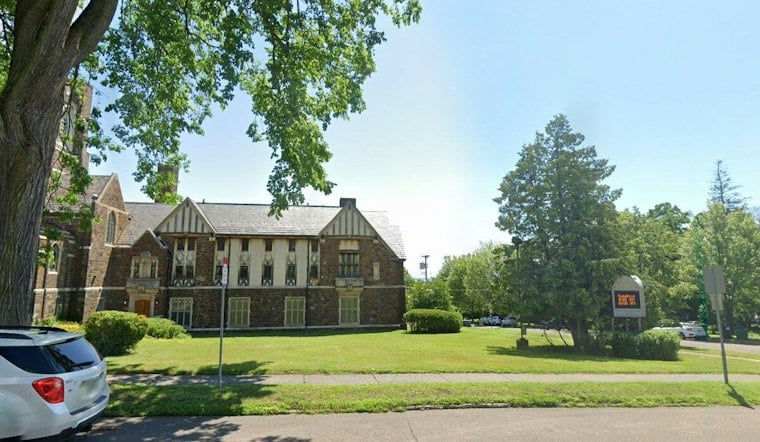
An Easter offering plate in Duluth turned into a $3.2 million lifeline for thousands of struggling neighbors. St. Paul's Episcopal Church took a special collection aimed at erasing medical debt in St. Louis County, and the congregation ended up raising far more than it set out to gather, enough to wipe out crushing bills for families across five counties in the region.
The church and local community members raised $25,000 on Easter Sunday, according to BusinessNorth, blowing past the $17,000 goal organizers had set. That single collection, pooled with gifts from across the community, was enough to abolish $3,235,613.81 in medical debt for 3,693 households spanning St. Louis, Douglas, Lake, Carlton and Itasca Counties.
The math behind that kind of leverage comes down to how medical debt is bought and sold. Ahead of the Easter push, Northern News Now reported that the church hoped to raise $17,000, citing figures from its nonprofit partner showing that every $10 donated can erase an average of $1,000 in medical debt. St. Paul's worked with Undue Medical Debt, which the BusinessNorth report describes as a national organization that specializes in abolishing medical debt by purchasing it in bulk.
Letters Went Out Quietly Over the Summer
The debt-abolishment process is now complete.
The Rev. Maggie Nancarrow, rector of St. Paul's Episcopal Church, has since been invited to share the story of the outreach project at the statewide convention of the Episcopal Church in Minnesota, held in October. The church also expressed gratitude to the Duluth community for supporting the effort, according to the report.
A Pattern Playing Out Beyond Duluth
St. Paul's is far from alone in turning congregational giving into medical debt relief. In Winston-Salem, North Carolina, Trinity Moravian Church just completed its eighth such campaign, raising more than $17,000 to retire more than $2.2 million in debt, as reported by NPR. At a ceremony marking that milestone, a church member burned a list of 1,631 names whose debts had been purchased and retired, a symbolic act capping a campaign that began in 2022 with a far smaller goal of $5,000 to retire about $500,000 in unpaid bills owed by Forsyth County residents.
In Texas, Covenant Presbyterian Church in North Austin donated $75,000 through Undue Medical Debt to erase $14 million in medical debt for 10,865 people, the Austin American-Statesman reported, with the relief narrowed to residents of Travis County's 78753 ZIP code.
The appetite for this kind of relief isn't confined to one political camp, either. NPR reported that a 2025 survey conducted for Undue Medical Debt found roughly 75% of Republicans and about 90% of Democrats agreed that collection agencies shouldn't be allowed to garnish patients' wages over medical bills. The same report put the scale of the underlying problem in stark terms, noting an estimated 100 million U.S. adults carry some form of healthcare debt.
Rural Minnesota Carries a Heavier Load
Minnesota's own numbers show why a northeastern Minnesota campaign like St. Paul's stands out. A MinnPost analysis of 2022 data found that an average of 2.8% of Minnesota residents have medical debt sent to collections statewide, with rural counties averaging 2.9% compared with 2.6% in urban counties. Roseau County had the state's highest share at 8.3%, while Lake County, one of the five counties covered by the Duluth church's campaign, had the lowest share in Minnesota at less than 1%, according to the same analysis.
That same MinnPost piece noted that organized medical-debt forgiveness efforts involving Undue Medical Debt have primarily taken root in urban areas, including St. Paul, leaving rural areas that are disproportionately affected without similar relief programs. Saint Paul's own initiative, launched through a partnership between Mayor Melvin Carter and Undue Medical Debt, invested $1.1 million in American Rescue Plan funds and was projected to erase an estimated $110 million in city residents' medical debt, according to a 2025 announcement from the Minnesota Attorney General's office. By November 2024, the city reported that $40 million of that debt had already been erased in the program's first round.
That same announcement described a proposed statewide Medical Debt Reset Act that would have appropriated $5 million to buy and forgive medical debt for households at or below 400% of federal poverty guidelines, or whose medical debt equaled at least 5% of household income. Under that proposed process, residents would not apply; those who qualified would simply receive a letter in the mail. Whether that statewide proposal has since become law is not addressed in the available record.




