

























































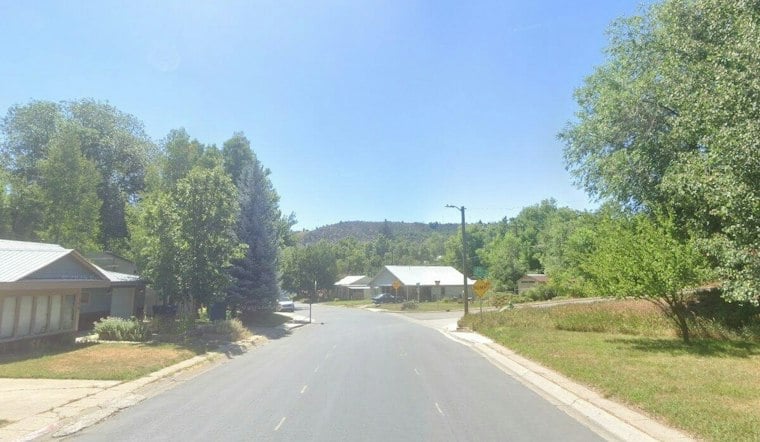
Nearly a week after Tripp Creek overflowed, some Durango-area yards remain buried in waist-deep mud, and residents say recovery is only beginning. On properties along County Road 203, Columbine Drive and Alamo Drive, volunteers have spent days clearing debris. Homeowner Steve Stahl said hundreds of volunteers worked at his property over five days, clearing the final section of his backyard Saturday. The cleanup there is far from finished.
The flooding on Alamo Drive was part of wider damage described by the Durango Herald, which reported that heavy rainfall caused Tripp Creek to overflow Sunday. Near County Road 203, Bill Hermesman told the paper water reached about 2 feet in his garage. Michael Davenport said roughly a foot of mud entered a converted garage at his home in the Hermosa Vista subdivision. Stahl said neighboring homes also sustained extensive damage and that recovery across the area will require money, materials and labor.
Volunteers Show Up Without Being Asked
Volunteers have often arrived without being asked, offering to shovel mud from yards and properties, 9NEWS reported. Some left work early to help. Cathy Hartney, a biology professor at Fort Lewis College who lives uphill from Alamo Drive, found the street through an online spreadsheet listing places that needed assistance. She volunteered for several hours Friday, part of three days of shoveling, and said she planned to keep returning as long as help was needed.
Hartney described the work still ahead for families trying to put their homes back together, according to 9NEWS. Volunteer labor is helping with the immediate cleanup, but the recovery across the flooded streets remains ongoing.
Cleanup Stalls as Ground Stays Saturated
Work at Stahl's property has stalled until the ground dries out. He told 9NEWS the soil may not fully dry until spring, a delay that could extend cleanup for households already facing a long recovery.
This round of flooding came about a week after an earlier flood tied to Oct. 22 rainfall in the region, the Durango Herald reported. The back-to-back storms pushed the Animas River's flow even higher the second time: Colorado Public Radio reported the river reached 12,900 cubic feet per second, roughly 50 times its typical flow for this time of year and notably higher than the 11,200 cubic feet per second recorded during the Oct. 23 storm. The Grand Junction Sentinel described the pair of storms as two historic floods hitting southwestern Colorado just over a week apart.
County Brings In Outside Help, Warns Costs Will Exceed Its Budget
La Plata County has requested assistance from emergency management teams across the country to help coordinate its response, the Durango Herald reported. The Central Virginia Incident Management Team and National Capital Incident Management Team have since been deployed and are stationed at the La Plata County Fairgrounds. County officials said flood damage costs are expected to exceed the county's budget and that it will need funding from the Federal Emergency Management Agency, though a total damage estimate has not yet been released.
The scale of repairs ahead is already significant: the county says it has 653 miles of county roads to fix after the flooding, according to its own emergency management office. KOB 4 reported that floodwaters have receded since the heavy rain sent mud into streets and homes, but officials say the full extent and financial cost of the damage remains unknown.
How Residents Can Get Help
La Plata County is directing residents with flood damage to report it through the state-run Crisis Track website, including photos taken before cleanup began, per the county's emergency management page. Residents can also call Crisis Cleanup at 970-283-7325 to request free volunteer assistance. A Disaster Assistance Center is open at the county fairgrounds Extension Building from 9 a.m. to 4 p.m. through Tuesday.
Additional support is available beyond the county itself. Rocky Mountain PBS reported that the American Red Cross set up an evacuation shelter at the fairgrounds offering free cleanup kits and up to two cases of drinking water per day for residents whose wells flooded. The outlet also noted that Colorado Works Disaster Cash Assistance provides up to $2,000 for directly impacted families with children earning a gross income under $75,000.
A Region Still Recovering From Past Floods
Southwest Colorado has faced costly flooding before. The Durango Herald reported that flooding in neighboring Archuleta County in October 2025 caused an estimated $13 million in damage. More than 380 homes in the north Vallecito area were evacuated during flooding that caused more than $7.5 million in damage to public and private property. The Grand Junction Sentinel also reported heavy flooding in the Vallecito community northeast of Durango that October.
Flood Mitigation After the 416 Fire
After the 2018 416 Fire, La Plata County spent $7 million on flood-mitigation infrastructure, including catchment ponds and channels built in Hermosa to manage post-fire debris flows and mudslides, according to the Durango Herald, citing History Colorado. That history documents earlier efforts to address those hazards; it does not establish a connection between the 416 Fire mitigation work and the current Tripp Creek flooding.
Anyone doing cleanup work near a county road should be aware that a permit is required for work within the road right-of-way, which extends 30 feet from either side of the road centerline, according to La Plata County. The county has waived its normal permit fees for flood-related work. For now, residents like Stahl are left waiting on the weather, hoping the ground dries enough to finish what volunteers started.


