

























































Joe King was jogging at Eisenhower Park in East Meadow on March 1 when he suddenly felt dizzy, collapsed backward onto the snow, and went into cardiac arrest. Bystanders began CPR before first responders arrived, while King was without a pulse for 20 minutes. Nearly nine months later, the 78-year-old has reunited with the hospital team that brought him back from the brink, even as the identity of the stranger or strangers who first kept him alive remains a mystery.
King's running partner, 75-year-old Laurice Firenze of Westbury, told him to sit down as he began to feel faint, but King fell backward before he could, according to Newsday. Accounts of exactly who performed the lifesaving CPR differ: Newsday reports that two good Samaritans worked on King while he had no pulse for 20 minutes, while seed reporting from the New York Post describes a single unidentified rescuer performing chest compressions on King for those same 20 minutes. Either way, King has said the person — or people — who stopped to help him felt like a guardian angel, and that he is grateful to them and to the medical team that followed.
A Harrowing Ride and a Grim Prognosis
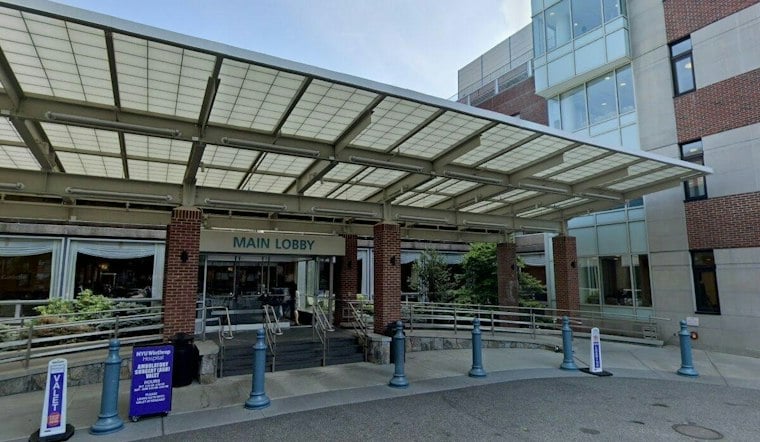
First responders arrived and took over once CPR was underway, and King was defibrillated multiple times during the ambulance ride to a nearby hospital, where doctors managed to get his pulse back, the outlet reports. He was then transferred to NYU Langone Hospital–Long Island, where he was placed on a ventilator for three days and suffered multiorgan failure as his body struggled to recover from the prolonged arrest.
At NYU Langone, cardiologist James Ciancarelli, medical director of the cardiac intensive care unit, later told reporters that King's recovery was remarkable given that he had only a 2% chance of surviving the ordeal. People who survive cardiac arrest in that fashion generally fall in the 1% to 2% range, Ciancarelli has said, calling King's case very rare. The American Heart Association notes more broadly that immediate CPR can double or triple a person's chance of survival after cardiac arrest, underscoring just how critical those first minutes of chest compressions were for King.
Ten Days in the Hospital, Then Home
King spent 10 days in the hospital before he was allowed to go home, having suffered five broken ribs along the way and beginning physical therapy to rebuild his strength. The physical toll was significant, but the outcome itself was the rarer story: the same source noting the day his breathing tube came out, King was already up and walking.
Thanksgiving carries extra weight for King's family. He has said it was always their special holiday, and this year, with King home and recovering, the family's catering business was closed for the day so they could be together. King, who owns Antun's Banquet Hall in Queens Village and has since handed the reins of the business to his son Mickey, shares the milestone with his wife and sons, including Mickey.
Still Searching for a Guardian Angel
Two days before Thanksgiving, King met in person with the team of NYU Langone doctors, nurses, and hospital staff who saved his life, an emotional reunion nearly nine months after his collapse. But one piece of the story remains unresolved: King and Firenze have tried everything from word-of-mouth outreach to visiting local firehouses to posting on social media in hopes of tracking down the good Samaritans who stopped to help that day in March, without success.
Nationally, bystander intervention like the kind King received is still far from guaranteed. The American Heart Association reports that of the more than 356,000 out-of-hospital cardiac arrests recorded in 2023, only 40.2% received bystander CPR, and that in 2021, survival to hospital discharge stood at just 9.1% for adult, EMS-treated, non-traumatic cases. Against those odds, King's recovery — and his continued search for the strangers who gave him a chance — stands out as the exception rather than the rule.





