

























































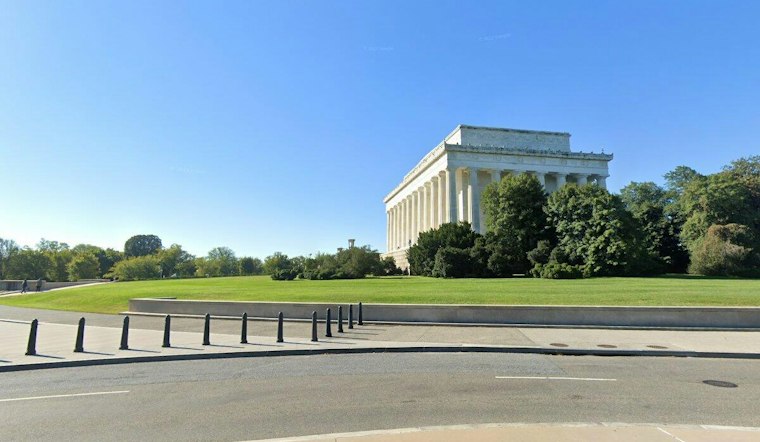
Six blind and visually impaired veterans from the El Paso area left for Washington, D.C., on a Saturday Honor Flight wearing Ray-Ban Meta AI glasses. The veterans, who served in the Vietnam and Korean wars, are expected to use the glasses as they visit national memorials. KVIA reported that Meta worked with local nonprofits to identify the six participants and sponsored the trip with local partners.
The glasses offer a conversational way to ask for descriptions of nearby sights and text. Meta representative Lauren Zimmerman told KVIA that users can ask the assistant to read plaques or identify what is in front of them, including landmarks such as the Lincoln Memorial or Washington Monument. Vietnam veteran Raymond Black, who is nearly blind, told the station he can use the glasses to read text placed before him. He also planned to visit the memorials and the national cemetery where his uncle, a World War II veteran, is buried.
AI joins established access options
The glasses are one possible way to interpret the sites, not the only one. The National Park Service says National Mall and Memorial Parks provides free braille brochures to onsite visitors, including for the Lincoln and Vietnam Veterans memorials and the Washington Monument. At the Washington Monument, the Park Service also lists tactile exhibits and braille and tactile maps. These established features offer a useful point of comparison for the AI descriptions planned on this trip.
The devices also sit within a wider system of vision support. The Department of Veterans Affairs’ Blind Rehabilitation Service serves eligible veterans and active-duty service members whose vision loss cannot be corrected with regular eyeglasses and who have difficulty with one or more tasks. VA rehabilitation is a separate service from Meta’s device donation; the reported El Paso trip does not establish how the glasses fit into any participant’s individual care.
There are limits to keep in view when AI describes a scene. An American Foundation for the Blind report warns that AI image descriptions can be inaccurate, with potentially serious consequences for people who cannot independently verify them. The report does not assess the glasses used by the El Paso veterans, but it underscores why an AI-generated description should not be treated as guaranteed accurate.
A national donation effort
The local flight is part of Meta’s broader effort to provide free Ray-Ban Meta glasses to blind veterans. In its June 2026 announcement, the company said more than 130,000 American veterans are legally blind and eligible for the devices. Meta also said it would work with the Blinded Veterans Association and other partners to provide hands-on training with each pair. The announcement describes the company’s plan; it does not establish how many veterans have received glasses so far.





