

























































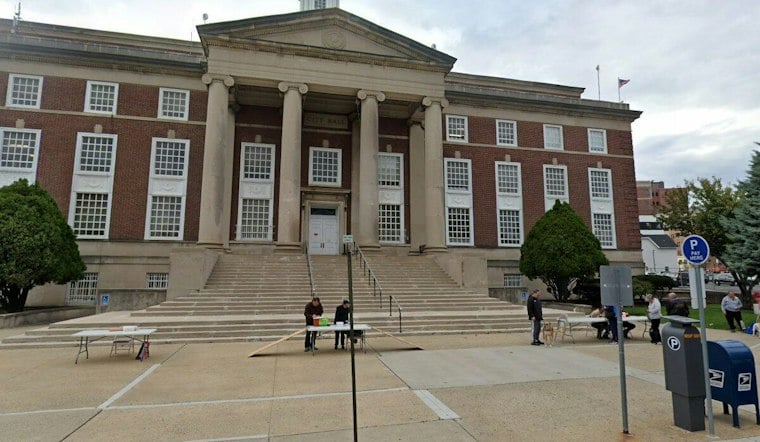
Elizabeth voters overwhelmingly said yes to bringing back a $20 cap on annual rent increases, with unofficial results showing roughly 68.8% support on a measure that will limit rent hikes for properties covered by the city's rent control rules to no more than 3% or $20 over a 12-month span, whichever is less. The tally stood at 8,814 votes in favor to 4,003 against as of the election.
Those figures come from the unofficial results reported by RLS Media, and Union County's own election results page likewise labels the November 3 general election outcome as unofficial, per unioncountyvotes.com. The language voters actually saw on the ballot specified that no landlord could request or receive a base-rent increase in excess of three percent or twenty dollars, whichever is less, according to the Union County sample ballot.
A Cap That Disappeared, Then Fought Its Way Back
The $20 limit isn't new to Elizabeth — it's a restoration. The city's rent control ordinance had capped increases at $20 before the City Council voted in 2022 to scrap that number in favor of a straight 3% limit, as the report notes. At the time, a 3% increase on an average $1,500 rent worked out to $45 a year, a figure then-Councilperson Manny Grova Jr. laid out, according to The Real Deal, compared with a $20 yearly increase tenants would generally face under the restored rule.
Housing advocates didn't let the issue drop. Per Rutgers Law School, advocates organized a petition campaign to restore the former $20 limit, and the grassroots group FREElizabeth knocked doors and gathered signatures from voters, first securing a spot on the ballot and then a unanimous vote from the Elizabeth City Council. Nearly 800 residents ultimately signed petitions calling for the ordinance to be adopted or placed before voters, the same outlet notes. The City Council approved restoring the measure unanimously in July 2025.
Landlords Sued, a Judge Disagreed
That council vote didn't settle things. Thirteen landlords filed suit afterward, challenging both the ordinance itself and the petition process that got it there, and separately argued in court that the rent restriction was unconstitutional. Attorney Matthew Moench represented the landlords in that challenge and had previously warned, as reported by New Jersey 101.5, that the proposal could end up hurting tenants rather than helping them.
A Union County Superior Court judge dismissed the landlords' challenge in July, clearing the way for the question to go before voters this fall. Supporters of the measure believe the restored limit will help prevent displacement, though the longer-term effects on housing conditions and property investment remain a point of debate.
Why North Jersey Renters Are Watching
The vote lands amid a state housing-affordability crunch. Full-time workers in New Jersey needed to earn $43.89 an hour in 2026 to afford a modest two-bedroom apartment at fair-market rent — up $3.90 from the year before — while the average Garden State renter earned just $24.92 an hour, according to the Housing and Community Development Network of New Jersey. That report put the statewide fair-market rent for a two-bedroom at $2,282 a month and ranked New Jersey the fifth most expensive state in the nation for renters, well above the national 2026 housing wage of $34.73 an hour.
Union County's own numbers tell a similar story. A standard two-bedroom apartment there carried a fair market rent of $2,205 a month, meaning a worker would need to earn about $42.40 an hour to afford it — compared with an average hourly wage of just $26.92, according to figures Rutgers Law School cited from the Housing and Community Development Network of New Jersey. The Elizabeth Coalition to House the Homeless has also reported that 8% of Elizabeth renters faced an eviction filing in 2024, per New Jersey Department of Community Affairs data cited by Rutgers.
Rising Rents Beyond Elizabeth's Borders
New apartment construction and climbing rents have become familiar sights across northern New Jersey, stretching from Harrison and Kearny to Newark, Jersey City, and Elizabeth itself. In Harrison, located in Hudson County, the average advertised rent reached roughly $2,600 a month as of October, up about $200 from a year earlier, based on Zillow rental market data. At that rent level, someone earning $60,000 a year in Harrison could end up spending more than half their gross monthly income just on rent.
Elizabeth's new cap won't touch any of that regional pressure directly — it applies only to properties covered under the city's own rent control provisions and does not change rent regulations in Harrison, Kearny, Newark, or surrounding communities. Newark, for comparison, caps its allowable rent increases at 4% under its own rent control rules, and the city's Division of Rent Control bars that increase entirely if a landlord hasn't met registration requirements or kept a unit in substantial compliance, according to the City of Newark.



