

























































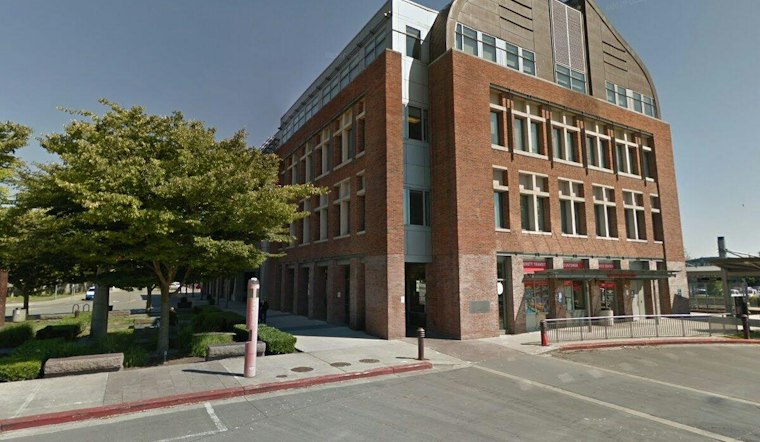
An Everett-based nonprofit is launching a new fund to keep breast and cervical cancer screenings free for uninsured and underinsured Washington residents, as the state program that pays for them faces a steep funding shortfall. Citrine Health says the Washington Health Screening Fund will direct donations toward mammograms, Pap tests and related care for women who might otherwise go without.
According to Lynnwood Times, Citrine Health has resources this year to cover about 870 women, down from more than 2,000 a decade earlier, and more than 700 people are already enrolled. The nonprofit is the only one among the regional prime contractors that help deliver the state screening program, which is what allowed it to set up the private fund in the first place.
The numbers behind the squeeze are stark. Roughly 87 percent of the state program's funding comes from a federal Centers for Disease Control and Prevention award, and that award for 2026 is about $4 million — roughly $1 million less than it was two years earlier, the same report notes. More than $3 million in supplemental federal and state support for the program has also expired, and the program has lost 20 percent of its funding in the past two years and 60 percent since its peak.
A State Already Lagging on Screening Rates
Washington's screening numbers were already thin before the latest cuts. Only 64 percent of Washington women ages 40 and older received a mammogram from 2021 to 2022, placing the state among the 10 lowest nationally for screening, per the Lynnwood Times report. The state also ranks 43rd nationally for cervical cancer screening rates, the same reporting shows.
Those screening gaps sit alongside a broader cancer burden. Washington State Standard, citing an analysis, reported that about 137 women per 100,000 Washington residents were diagnosed with breast cancer between 2017 and 2021, the ninth-highest rate in the nation, though the state's mortality rate from 2018 to 2022 was slightly below the national average. The outlet also found that breast cancer diagnoses are rising nationwide, with the steepest increase among women younger than 50 and Asian American or Pacific Islander women of all ages.
Disparities in who gets screened remain wide. From 2020 to 2022, only 51 percent of American Indian and Alaska Native women age 40 and older had a mammogram, compared with 68 percent of white women, according to Washington State Standard's analysis. Nationwide, the outlet also found, Black women have a 38 percent higher breast cancer mortality rate than white women.
What the Fund Is Meant to Cover
Citrine Health says the new fund relies on private, tax-deductible donations, with money going directly toward covering screening costs so patients can get mammograms, Pap tests and related care, per the Lynnwood Times report. The nonprofit describes itself as a community-based 501(c)(3) agency based in Snohomish County, and says on its website that uninsured and underinsured women can receive yearly exams, including Pap tests and mammograms, through Citrine Health's screening program across Island, San Juan, Skagit, Snohomish, Pierce and Whatcom counties.
A 2022 Washington State Department of Health budget document had already flagged the strain on the system, noting that declining funding, sustained demand and the impacts of COVID-19 have greatly diminished capacity for routine screenings and created gaps in coverage for those who are underinsured and uninsured, according to the Washington State Department of Health.
Washington's screening program has operated for 35 years, and Citrine Health has served as a prime contractor for the state's breast, cervical and colon health program for about two decades. The nonprofit currently serves thousands of residents across Island, King, San Juan, Skagit, Snohomish and Whatcom counties, and its program has identified previously unknown cancer in 8,073 women, with the state program also having lost a $1 million annual grant from Susan G. Komen. More than 400,000 Washingtonians lack health insurance, and nearly 1,000 women in the state die from breast cancer every year, according to FOX 13 Seattle.
Citrine Health, which is celebrating its 30th anniversary in 2026, says it still has some screening appointments available despite limited funds and intends to make sure symptomatic women across the state can keep testing without worrying about the bill as donations come in, the station reports. The nonprofit also operates The Bra Shop in Everett, providing post-mastectomy fittings and products for women on Medicaid.
Voices Behind the Push
Kerri Mallams said the screenings are lifesaving and should not be allowed to end, according to FOX 13 Seattle's reporting. Megan Kalsen echoed that urgency, saying life-saving screenings should be available to any woman who wants them.





