

























































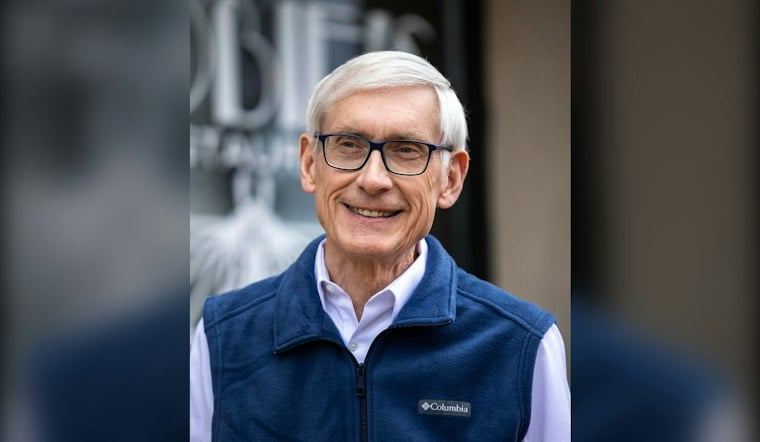
Wisconsin Gov. Tony Evers has fired Universities of Wisconsin System Regent Timothy Nixon, effective immediately, after receiving reports that Nixon allegedly had an altercation with staff supporting an official university meeting. The governor's office did not release details about what happened during the reported incident.
According to WisPolitics, Evers’s dismissal came directly in response to those reports of a clash with staff. As WSAW reported, Nixon's removal was effective immediately, and the governor’s office did not provide further details about what allegedly transpired. The Milwaukee Journal Sentinel reported that Nixon was fired as a Universities of Wisconsin regent following the reported altercation with UW meeting support staff, per the governor's office news release.
Evers Sets the Standard for Regents
Evers made clear the firing was about conduct, not politics. “It is my expectation that UW Regents I appoint behave themselves with decency and decorum, and that they treat people with dignity and respect at all times,” the governor said, per the same WisPolitics account. He added plainly that “a regent failed to uphold that basic standard.”
Nixon had previously held a public role on the board, having spoken alongside Board of Regents President Amy Bogost about the termination of former UW president Jay Rothman at a public hearing on April 9, 2026, according to The Daily Cardinal. That same report noted that Nixon and Bogost were two of three regents able to attend the hearing, and that the two had gone unconfirmed for two and six years, respectively, at that time. The evidence does not establish Nixon's confirmation status as of his dismissal.
What Happens to the Seat Now
Evers, whose own term ends in January, said he intends to leave the choice of Nixon's replacement to incoming Gov.-elect David Crowley, who would appoint someone to serve out the remainder of the term, running through May 2031, the WisPolitics report states.
A Wisconsin statute on board vacancies, cited by the Wisconsin Legislature, notes that a governor cannot make a provisional appointment under a related subsection, and that until a successor is nominated and confirmed by the Senate, a board member may be removed by the governor only for cause under that provision. The statutory excerpt alone does not establish whether or how that process applies to Nixon's dismissal.





