

























































A former quantitative trader accused of stealing proprietary trading code from his old employer went on trial this week in New York, in a case that prosecutors say involved not just corporate theft but an attempt to defraud one of Wall Street's biggest quant shops. Richard Ho is charged with lifting algorithmic trading code from Headlands Technologies LLC and then using it to court a new investor.
Code Allegedly Stolen, Then Used to Chase Investors
Ho went on trial Monday on charges that he stole the code from Headlands Technologies, according to Bloomberg. Prosecutors allege Ho then used that code to defraud Tower Research Capital into investing with him, the outlet reports. The trial is expected to put a spotlight on the secretive world of quantitative trading, where proprietary algorithms drive enormous profits and firms guard their code as closely as any trade secret in American business.
Court records show Ho pleaded not guilty to the first count of the indictment at his arraignment in January 2025, according to filings in the case, United States v. Ho, docketed as 1:25-cr-00003 in the Southern District of New York. That same docket shows the indictment against Ho was unsealed on January 8, 2025. A Justice Department announcement at the time said the indictment charged Cheuk Fung Richard Ho with theft and attempted theft of trade secrets, though that description reflects the charges filed against him rather than any finding of guilt.
A Billion-Dollar Code Base at the Center of the Case
The code at the heart of the case is no small matter. Headlands Technologies spent more than $1 billion developing the building blocks of its source code, described in court materials as “atoms” and “alphas,” per a Bloomberg feature on the case. For quantitative trading firms, the publication mlex.com notes, proprietary source code and algorithms are essentially the business itself — which helps explain why Headlands pursued the matter so aggressively, both in criminal court and earlier through civil litigation.
Prosecutors say Ho's path to the alleged scheme began years before the indictment. According to the newsletter Young and Calculated, Ho joined Headlands in July 2019 as a quantitative researcher and developer. He went on to found his own firm, One R Squared, in the spring of 2021, and later partnered with Tower Research Capital, the same newsletter reports.
Civil Suit Preceded Criminal Charges
Before the criminal case reached trial, Headlands had already taken Ho to court. The firm filed a civil suit against him in Chicago in June 2023 alleging breach of contract and misappropriation of trade secrets, according to finopsinfo.com. That civil action predates the federal indictment unsealed roughly a year and a half later.
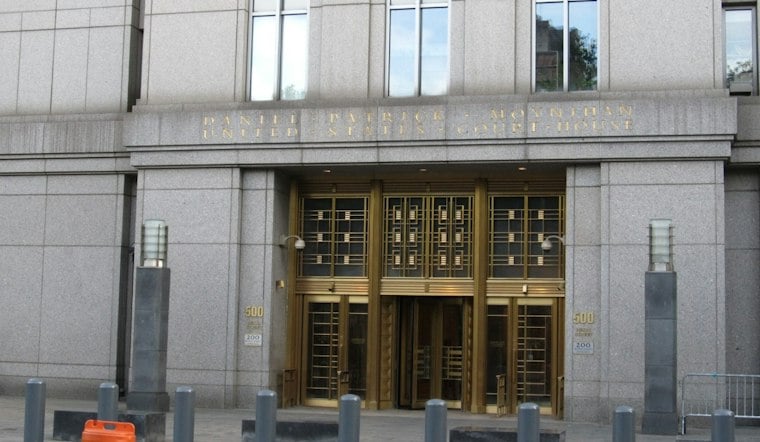
Ho was seen leaving federal court in New York on Monday, as the trial got underway, with Bloomberg publishing a photograph documenting his exit from the courthouse. The proceedings are being watched closely by people across the quantitative trading world, given how rarely disputes over proprietary trading algorithms make it into a public courtroom rather than being settled or litigated quietly behind closed doors.





