

























































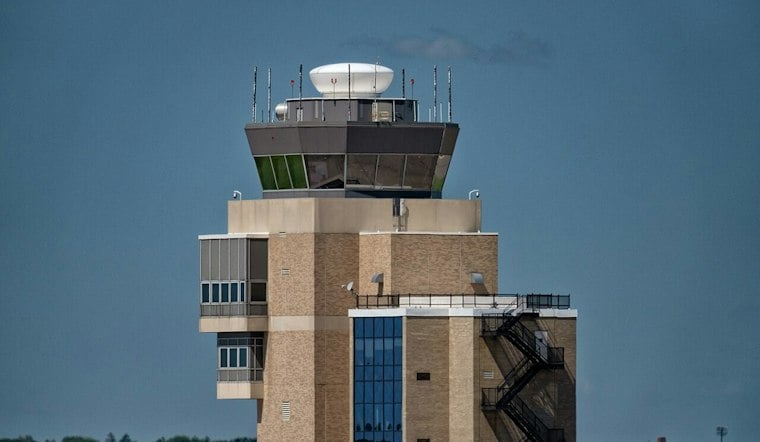
Air traffic controllers at two small airports thousands of miles apart are now working with a kind of tower that doesn't look like a tower at all. The FAA says it has activated the nation's first digital air traffic control towers at Bartow Executive Airport in Florida and Kenai Municipal Airport in Alaska, using banks of cameras and video displays. At Kenai, the conventional facility continued operating as a backup while the new equipment was installed nearby.
According to the Federal Aviation Administration, the agency has operationalized digital towers at both airports, and as FLYING Magazine reported, the FAA announced the towers were online on Friday. The setup relies on advanced cameras and digital displays rather than a human controller physically looking out a window, and the agency has described the shift as part of a broader modernization push for the U.S. air traffic control system.
At Kenai Municipal Airport, the new system gives controllers what the Peninsula Clarion describes as a continuous, 360-degree picture of runways, taxiways and nearby airspace. Crucially, human controllers still direct aircraft and manage traffic under the new setup, per the same report — the cameras change how controllers see the field, not who is making the calls.
How Kenai's System Came Together
The Kenai deployment has been in the works for months. The FAA awarded Frequentis USA a contract in May for the first phase of the airport's digital tower deployment, the Peninsula Clarion reported. By September, roughly $9.6 million had been committed to the project, with a potential contract value of $10 million, and that same month the FAA granted its first system design approval for Frequentis' smartVISION technology, according to the outlet.
Frequentis is also the company behind Bartow's installation. The firm says it is equipping Bartow Executive Airport with its Digital Tower Solution, enhancing the airport's control tower operations, per Frequentis's own project page. Company materials describe the broader remote digital tower product as already deployed by 12 customers at 16 airports worldwide, positioning the Florida and Alaska rollouts as the technology's entry into U.S. operational service.
Five More Airports in Line
The FAA plans to equip five additional nontowered airports with digital ATC towers, according to FLYING Magazine. AVweb reports the list includes Winter Haven and Venice in Florida, Montgomery County Airpark in Maryland, Johnston Regional Airport in North Carolina, and Durango-La Plata County Airport in Colorado. The same outlet notes the agency's wider infrastructure overhaul also includes new information displays and upgrades to aging communications equipment.
Camera-based systems like these are being pitched as an alternative for smaller fields where building a conventional tower has proven too costly, the Peninsula Clarion notes. FAA guidance states that digital tower systems may serve as an alternative to traditional brick-and-mortar control towers and will initially be integrated at specified Class D airports. The agency frames the cameras and displays as tools meant to support and enhance controllers' tasks rather than replace them, with the goal of giving controllers greater visibility of airport activity. FLYING Magazine also frames the rollout as the U.S. catching up with international adoption of similar digital tower technology already in use abroad.
A Cautionary Precedent at Leesburg
The concept isn't entirely new to American skies. A camera-based remote tower began providing air traffic control services at Leesburg Executive Airport in Virginia back in 2018, and the FAA found it operationally viable in 2021, according to AVweb. But the agency discontinued that program in June 2023 after developer Saab withdrew from the system design approval process, the outlet reported — a reminder that getting this technology from pilot project to permanent fixture has not always gone smoothly.
Frequentis, for its part, advertises steep potential savings tied to the approach, touting up to 80 percent in capital expenditure savings by avoiding the construction and maintenance of a conventional tower, and up to 18 percent in operating expenditure savings through improved staff planning and technology harmonization, per the company's own materials. For now, the two airports stand as the country's first working examples of controllers directing traffic without ever looking through a tower window.





