

























































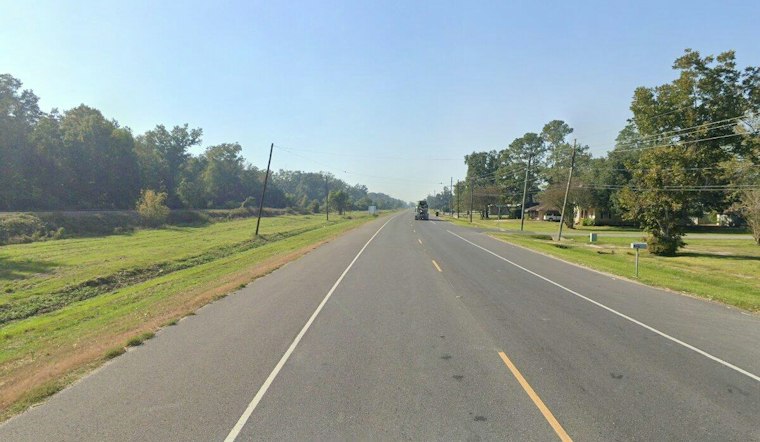
The Hidalgo family says a fake website is using its Donaldsonville car lot’s name to advertise vehicles and collect money from buyers who never receive them. For nearly 50 years, Jimmy Hidalgo Sr. has sold used cars off Highway 1 with his son, Jimmy Hidalgo Jr.; they move roughly 60 vehicles a year, mostly through face-to-face deals with local buyers.
In its report, WAFB said Jimmy Hidalgo Jr. discovered the site in recent months. The family said it displayed high-end vehicles and false contact information. The real lot has no website, the family said, and conducts its business in person.
Sports Cars and SUVs Lure Buyers Into the Scheme
The fake listings included sports cars and high-end SUVs, according to the family’s account to WAFB. Jimmy Hidalgo Sr. said the actual lot sells only GM vehicles, not Fords, Dodges or foreign makes—a mismatch that could alert prospective buyers that the listings were not genuine.
The family told WAFB that a transport driver’s arrival at the lot, looking for a vehicle he believed he had bought there, brought the impersonation scheme to their attention. The Hidalgos said they then learned of other victims and that the scheme had also fooled Carfax, the vehicle-history reporting service.
Losses Stretch From Maryland to Oklahoma
Reports of losses have come from outside Louisiana. WAFB reported that a Maryland resident filed a Better Business Bureau Scam Tracker complaint saying they intended to buy a vehicle but never received it. The BBB separately reported that an Oklahoma man wired scammers more than $70,000 for a vehicle that never arrived.
Hidalgo Sr. told WAFB the scam has made older people afraid to do much of anything when buying a car online.
A Scheme With a National Pattern
Federal regulators have also documented a broader rise in reports of dealership impersonation. According to USA Today, the FTC said it had received reports from consumers nationwide, and law-enforcement partners contacted the agency in August after noticing an increase in fake dealer websites. The FTC said it has no aggregate estimate of total reported losses.
The USA Today reporting also described a California consumer who wired $32,900 for a 1932 model car that never arrived and an Indiana dealership owner who said consumers lost more than $70,000 to a site impersonating his business. Separately, CBT News has reported that scammers copy legitimate dealerships’ logos, inventory, photos and customer testimonials to make cloned websites appear convincing.
An investigation cited by Frank on Fraud found more than 50 operational fake dealer websites that appeared connected, all using the same templates and process, suggesting a coordinated playbook rather than isolated copycats. In Wisconsin, public radio station WPR reported that the state's Department of Transportation has fielded at least one complaint about a fake online car dealership every week this year, with a consumer-protection official saying some buyers have lost more than $100,000 chasing luxury or vintage vehicles that never existed.
Complaint totals offer a wider measure of vehicle-sale problems, but do not isolate dealership-impersonation schemes. A BBB update citing FTC Consumer Sentinel Data lists 93,000 auto-sales reports in 2021, 99,010 in 2022 and 95,726 in 2023; the category includes complaints about new and used auto sales as well as online vehicle-sale scam reports, not only fake-dealership websites. The BBB also reported that buyers aged 45 and older accounted for more than three-quarters of its Scam Tracker reports and said fraudsters target buyers seeking high-end or rare classic cars, sometimes using vehicle-history reports to appear legitimate.
Where buyers can report concerns
The Louisiana Used Motor Vehicle Commission directs consumers to submit a request through its complaints page. That page provides a way to raise a concern; the information cited here does not establish whether the Donaldsonville lot is licensed or provide a license-status finding about it. For suspected cyber-enabled fraud, the FBI’s Internet Crime Complaint Center says people can file a report even if they are unsure whether their complaint qualifies. That reporting guidance does not specify whether money can be recovered or set out recovery limits.
No evidence reviewed establishes who is operating the fake website tied to the Donaldsonville dealership, where it is based, or whether any law-enforcement action has followed. For now, the Hidalgo family's message to prospective buyers is straightforward: the real lot has no website, and every legitimate deal happens face to face on Highway 1.





