

























































Inside a small bag handed out on South Main Street in Fall River, there is Narcan, bleach, sterile pads, Band-Aids, condoms, 20 syringes split across two smaller pouches, and two glass pipes. That inventory, described by City Council President Cliff Ponte, has become the center of a fight over whether a decades-old nonprofit's overdose-prevention program is helping the city or quietly enabling addiction on its streets.
Seven Hills Behavioral Health recently began distributing the harm reduction bags in the city, according to WPRI.com, and the Fall River City Council raised concerns about their contents earlier this month and is now seeking answers from the organization. Ponte did not hide his unease describing what he found inside. “And this is kind of freaking me out,” he said, before adding bluntly, “You get glass pipes.”
The council is not singling out Seven Hills alone. Members plan to speak with both Seven Hills and SSTAR, another organization that hands out similar harm reduction bags in the city, the station's report notes. On Oct. 13, the council adopted a resolution asking its finance committee to convene representatives of the 7 Hills Foundation, STAR, the Board of Health and the Community Development Agency for a briefing on how the program operates, who funds it and what oversight exists, according to CitizenPortal.ai.
What Seven Hills Says the Bags Are For
A Seven Hills spokesperson told WPRI.com that the goal is to keep everyone safe by preventing deadly overdoses and the spread of deadly diseases. The organization describes its approach on its own website as reducing the risks of overdose, disease and other harms rather than requiring people to stop using substances before they receive help, according to Seven Hills Behavioral Health. Its Community Wellness Centers also offer individual counseling on substance use, HIV and Hepatitis C screening and testing, and referrals to treatment alongside the free supplies.
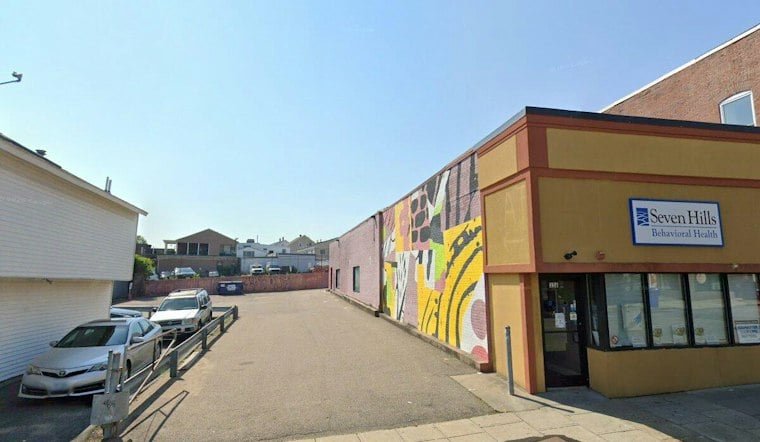
Seven Hills has established syringe service programs not just in Fall River but in Taunton, Dartmouth, Wareham and Fairhaven as well, per the same organization. A Fall River Reporter account of a visit to a Seven Hills location described two different glass pipe options offered for crack, meth and fentanyl consumers, along with foil and lighters, though that outlet reported visiting a 130 South Main Street address while Seven Hills lists its Fall River Community Wellness Center at 356 South Main Street — a discrepancy that remains unresolved. NBC 10 News reported that the Massachusetts Department of Public Health funds Seven Hills in Fall River to provide sterile syringes, safer smoking supplies, HIV and Hepatitis C testing, overdose-reversal medication and treatment referrals, and that the state says the program aims to prevent overdoses, reduce the spread of infectious disease and connect people with treatment and services.
A Brother's Plea and a Neighbor's Worry
Fall River City Council member Christopher Peckham has made the program personal. Three of his four brothers have struggled with heroin addiction, he said, according to NBC 10 News. “I come from a family where addiction has run rampant,” Peckham said. He has questioned whether distributing drug-use supplies is an appropriate use of taxpayer money and believes more attention should go toward addressing addiction itself rather than supplying the tools to continue using. “I lived this, I watched this my whole life and now I'm here to stop it,” he said.
A neighboring business employee who asked to remain anonymous told NBC 10 News that drug use is a regular concern in the area and that he recently saw someone injecting drugs near his workplace. “I just think they're enabling them,” he said. NBC 10 News reported visiting the Seven Hills South Main Street location twice seeking an on-camera interview, but the organization declined those requests.
Numbers Behind the Debate
Fall River recorded 32 opioid-related overdose deaths in 2025, a 9% decrease from the previous year, though the city's overdose death rate remained roughly 2.5 times the statewide rate, according to NBC 10 News reporting. Seven Hills distributed 69% of the community-based naloxone received in Fall River that year, the outlet reported — naloxone being the medication used to reverse opioid overdoses. Statewide, Massachusetts recorded 978 confirmed and estimated opioid-related overdose deaths among residents in 2025, the first time the total fell below 1,000 since 2013, according to Boston.com. That 2025 figure represented an estimated 27% decline from 2024 and nearly a 60% drop from the 2022 peak, the outlet reported, with state officials pointing to stabilizing fentanyl concentrations in the drug supply and an 8% increase in methadone treatment enrollment from 2023 to 2024 as possible contributing factors. NBC 10 News was explicit that these figures do not establish that Seven Hills' Fall River program caused the decline in opioid-related deaths locally.
Massachusetts expanded its harm reduction policy in December 2021 to allow contracted programs to purchase and distribute safer drug-consumption supplies, aiming to reduce overdose risks and prevent the transmission of HIV and Hepatitis C, according to NBC 10 News. The state allocated approximately $6.5 million statewide for harm reduction programs, with at least $1.5 million designated for safer consumption equipment and related services, the outlet reported, though the exact amount Seven Hills received for its Fall River program has not been confirmed.
Standoff Over a Finance Committee Meeting
Seven Hills was invited to appear before the Fall River City Council's finance committee to discuss its program, but the organization declined to attend without a Massachusetts Department of Public Health representative present, according to Peckham. In a statement dated Oct. 15, Seven Hills Behavioral Health CEO Kathleen Myshrall said the organization has served vulnerable populations in southeastern Massachusetts for more than 40 years. The same statement said Seven Hills provides harm reduction supplies to people with substance use disorder in five South Coast communities under contract with the state health department, and that its services include safe disposal, community cleanups, disease testing and prevention, and Narcan distribution.
Peckham said he plans to keep pushing for changes to how the bags are distributed in the city. For now, the council's requested briefing with representatives from Seven Hills, SSTAR, the Board of Health and the Community Development Agency remains the next step in a debate that has split city leaders, a worried neighbor, and a nonprofit insisting it is trying to keep people alive.




