

























































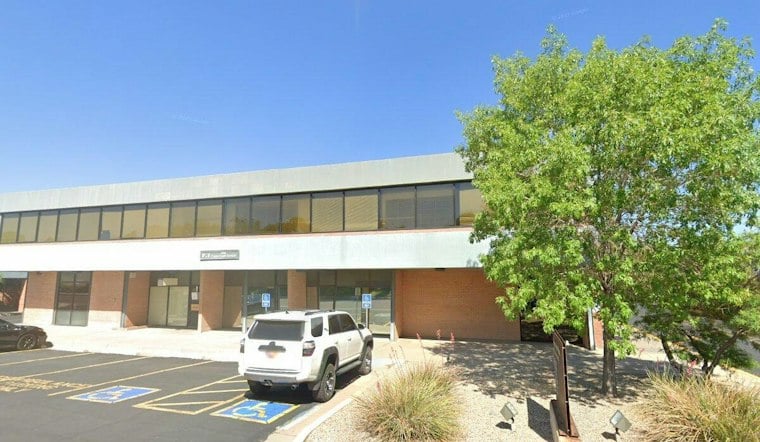
The estate of former Albuquerque Police Department officer Dominic Castro has sued Ribera Healthcare, alleging the clinic’s prescribing contributed to a manic episode before his death in 2025. The complaint says a nurse practitioner diagnosed Castro with ADHD after a 20-minute telehealth appointment and increased his stimulant dose over several months without reviewing his psychiatric history.
Todd Lopez, the estate’s personal representative, is the plaintiff, according to the Albuquerque Journal. The estate’s attorney, Brian Egolf, said the case concerns the defendants’ alleged failure to account for Castro’s psychiatric and medication history. The complaint names Ribera Healthcare, which also operates as Freya’s Lair, and alleges medical negligence contributed to Castro’s death. The clinic denies the allegations.
A Treatment History That Began With Testosterone
According to the lawsuit, Castro began seeing the clinic in 2023 for testosterone deficiency and was diagnosed with low testosterone and hypogonadism. The complaint also cites VA testing from 2022 that, it says, did not diagnose ADHD but identified a neurocognitive disorder affecting his mood and sleep.
By May 2024, the lawsuit alleges, Castro received an ADHD diagnosis from Ribera Healthcare, and his stimulant dose was gradually increased over several months, eventually reaching 30 milligrams of an extended-release medication plus an additional 15-milligram tablet. The clinic also prescribed weekly testosterone injections and, in 2025, Ambien for insomnia, according to the suit. The complaint alleges clinic records show no indication Castro was ever screened for mania or psychotic disorders before starting the stimulants, and that he did not report depression, suicidal thoughts or mood swings during his visits — though a psychiatric examination on file reportedly stated he had normal moods and good judgment.
Abnormal Labs and a Deteriorating Mental State
The complaint says blood tests taken at Castro’s final clinic visit on Sept. 10, 2025, showed elevated testosterone and an abnormal increase in red blood cell mass. It alleges these findings, together with his prescribed amphetamine stimulants, triggered a manic episode. A toxicology report cited in the lawsuit measured 69 nanograms per milliliter of amphetamines in his bloodstream; a separate urine screen around the same time was positive for amphetamines consistent with his prescriptions.
Testosterone and red blood cell levels
A review hosted by PubMed Central notes that testosterone therapy can cause secondary erythrocytosis. That general medical context does not establish what caused the abnormal results alleged in Castro’s case.
The lawsuit alleges Castro’s mental state worsened through September 2025: he became increasingly irritable, aggressive and paranoid, and believed he was being secretly recorded. It also says he was sleeping less while working the department’s graveyard shift. Castro began VA ketamine infusions on Sept. 9, 2025, completed five treatments and then canceled a follow-up appointment, according to the complaint.
Veteran Service and a Prior PTSD Diagnosis
Police reports describe Castro as a veteran who served as a firearms instructor and artillery scout in the U.S. Army and Air Force, and as having PTSD. The reports also say he was taking prescribed VA ketamine by microdosing during what was characterized as an extreme mental crisis. The VA had placed him on a Depakote trial for bipolar mania; the lawsuit says he had also been diagnosed with bipolar disorder, major depressive disorder and chronic suicidal ideation.
APD spokesperson Gilbert Gallegos said the department was unaware Castro had been taking ketamine. The frequency of his use is unclear from police reports, according to the Journal’s earlier reporting, which also said the VA performed 1,505 ketamine treatments nationwide in 2024 and that use of the treatment among veterans had risen since 2020.
The Final Days Before His Death
In a criminal complaint, Castro’s wife alleged that he had held her and their daughter captive for three weeks, at one point shackling her leg to his. She said he had been acting strangely or out of the norm during that period, threatened to burn down their Cedar Crest home, installed recording devices and physically assaulted her. A court granted her a temporary order of protection on Nov. 5, 2025.
Bernalillo County Sheriff’s Office deputies went to the Cedar Crest home after a domestic violence call. During the ensuing standoff, Castro set multiple small fires inside the house. Court records say an arrest warrant issued that day charged him with kidnapping, rape, child abuse and false imprisonment. The Journal’s wrongful-death coverage says Castro died by suicide on Nov. 6, 2025, during the standoff; the outlet’s earlier report said he shot himself at the home on Nov. 5, leaving the reported date unclear.
Clinic Denies Wrongdoing as Case Moves Forward
Olga Lucero, the clinic’s director and a named defendant, declined to comment. In its court response, Ribera Healthcare denied the allegations. The estate is seeking a jury trial and compensatory and punitive damages; the case’s outcome and whether a trial date has been set remain undetermined.





