

























































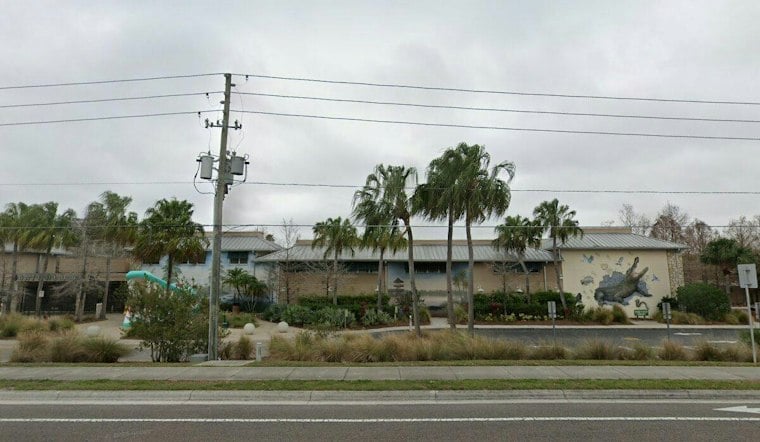
Human feeding changed the behavior of an 8-foot-9-inch American alligator, leaving it unable to return safely to the wild. Gary and Shannon Saurage and their Fannett wildlife facility, Gator Country, took the animal in.
Why This Gator Couldn't Go Back to the Wild
According to KFDM, people had fed the alligator, leading it to associate humans with food. That change made it dangerous and unsuitable for release into its natural habitat. Wildlife officials warn that feeding alligators can undermine their natural wariness of people and create safety risks.
The rescue and transport required precautions. KFDM reports that the animal's mouth was temporarily secured for the safety of the alligator and the trained rescue team. At Gator Country, staff released it into an enclosure; the report says no alligators were harmed and that trained staff and interns handled the animal under professional supervision.
A Lifetime of Meals and Company, Minus the Hunting Pressure
Gator Country says it will care for the alligator for life, providing regular meals, the company of other alligators, and an environment free from the threat of being hunted, according to KFDM. Those are facility-specific plans, rather than a return to the conditions of the wild.
The Fannett rescue is not the only recent case involving an alligator removed after people fed it. Fox 35 Orlando reported that Gatorland in Florida took in a large alligator from the Blackwater Creek Preserve area between Plant City and Dade City. The animal was removed through Gatorland Global, a program that works with nuisance alligator trappers, and is to receive daily care and regular feedings.
The Risk Behind Feeding Wild Alligators
Officials in the Florida case said feeding wild alligators can cause them to lose their natural fear of humans and create safety risks. Texas Parks & Wildlife likewise advises people not to approach, capture, handle, or feed wild alligators, warning that such actions can cost the animals their freedom or lives, according to the Texas Parks & Wildlife Department.
Why Relocation May Not Be an Option
For alligators considered a public-safety concern, moving an animal elsewhere is not always a workable solution. Texas Parks and Wildlife Department cautions that alligators are territorial and relocating problem animals can create greater problems in the new area.
For this alligator, Gator Country's refuge offers a managed alternative to release after human feeding changed its behavior. The case illustrates how actions by people can leave wildlife unable to live safely in its natural habitat.





