

























































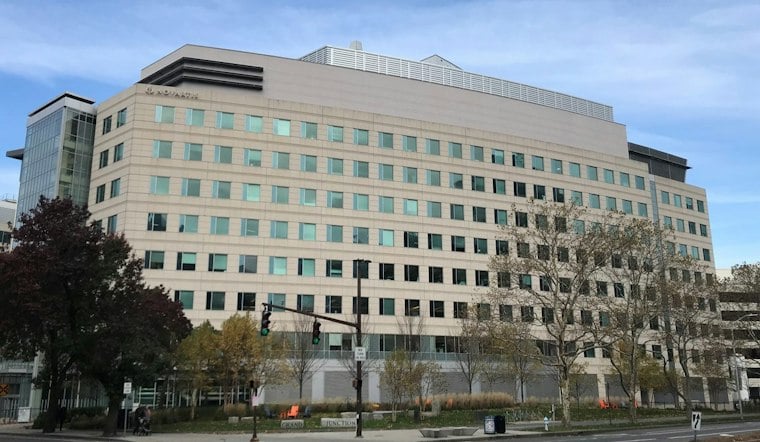
Federal regulators are investigating a Novartis gene therapy produced in Durham after nine children treated with the drug developed tumors, according to a report from Triangle Business Journal. The therapy, Zolgensma, treats spinal muscular atrophy and is part of a billion-dollar revenue stream for the Swiss pharmaceutical giant.
Novartis has confirmed nine reports of tumors in children treated with Zolgensma, seven of which were newly disclosed, according to GEN. Two of those cases showed evidence that the therapy's genetic material had integrated into the patients' DNA, and both of those patients underwent treatment and continue to be monitored, the outlet reports. Novartis says Zolgensma has been used to treat more than 6,000 patients worldwide across clinical trials, managed access programs, and commercial treatment.
The FDA confirmed it is evaluating cases of tumor formation in children previously treated with Zolgensma, according to Fierce Pharma. The agency said it is re-evaluating whether the existing label and long-term studies are sufficient to monitor and mitigate the serious risk of tumors, the outlet reports. The reported tumors included those in the central and peripheral nervous systems, spinal and paraspinal regions, and the kidney, per the same account.
Regulators Say Benefits Still Outweigh Risks
Despite opening the investigation, the FDA has said the overall benefits of Zolgensma and Itvisma continue to outweigh their potential risks for their approved uses, according to a statement posted by the U.S. Food and Drug Administration. The agency says it is investigating the identified risk of neoplasia, including malignancy, tied to the gene therapy.
Spontaneous postmarketing reports cannot establish how often tumors occur, and causality has been confirmed in only two of the nine cases, according to Contemporary Pediatrics. Zolgensma was approved by the FDA as a treatment for spinal muscular atrophy in 2019, according to STAT.
Conflicting Accounts On The Gene Involved
FDA Identifies Gene Involved The FDA identified GLI1 as the gene involved: three cases involved tumors associated with that oncogene, and two had molecular evidence of vector integration into or upstream of it.
Zolgensma's revenue has continued climbing even as scrutiny mounts. The Zolgensma product group generated $1.071 billion in net sales during the first three quarters of this year, up 16% from $925 million over the same period in 2025, per GEN's reporting.
Not The First Gene Therapy To Face Tumor Scrutiny
Not The First Gene Therapy To Face Tumor Scrutiny Zolgensma is not the only gene therapy to draw regulatory concern over tumor risk. The FDA placed clinical holds on Regenxbio's RGX-111 and RGX-121 candidates after a tumor developed in a child treated with RGX-111, and GEN reports those holds remain in effect. Separately, a recipient of a uniQure gene therapy developed liver cancer before 2021, though the treatment was later considered highly unlikely to have caused it.





