

























































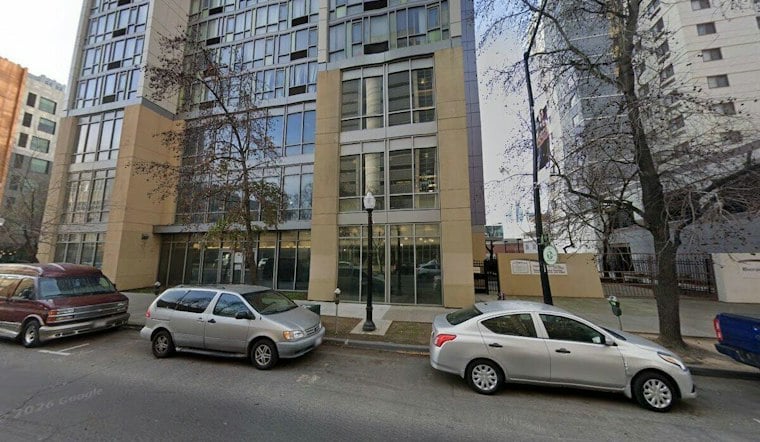
The U.S. Department of Justice has sued the Sacramento Housing and Redevelopment Agency, alleging the agency refused for nearly five years to relocate a mother and her daughter away from a stalking neighbor despite a restraining order the woman had delivered directly to SHRA's office. The lawsuit, filed by the department's Civil Rights Division, seeks a court order forcing SHRA to relocate the woman, along with monetary damages that include compensatory and emotional distress damages.
According to The Sacramento Bee, the woman's downstairs neighbor began routinely harassing and stalking her and her daughter, at one point following them to the store, calling them “bitches,” and threatening to “kick their ass.” In 2021, the woman obtained a temporary restraining order against the neighbor that was effective for three years, and she delivered a copy to the SHRA office, the lawsuit alleges.
Despite that warning, the lawsuit claims SHRA never provided an emergency transfer, even after the woman requested one under the federal Violence Against Women Act. An SHRA employee emailed supervisors in July 2022 saying the woman needed to be moved out of her unit, according to the newspaper's reporting on the lawsuit. That same year, the woman's daughter was sexually assaulted by the woman's former partner, who knew where the mother and child lived, the lawsuit alleges.
An Offered Unit Near the Old Address
In April 2024, SHRA offered the woman a unit in a different apartment complex, but the lawsuit says that unit was near her previous home and that the former partner knew its address. The woman said the unit was unsafe, and the lawsuit alleges that as of October 2026, SHRA had not offered any subsequent unit or provided an emergency transfer.
SHRA spokeswoman Angela Jones declined to comment on the lawsuit, citing pending litigation, the report states. The lawsuit further alleges that SHRA stopped offering transfers to tenants on its waitlist around the first or second quarter of 2024, except rarely on a case-by-case basis, and instead prioritized new applicants through at least the end of that year.
Occupancy Pressure and a Troubled Designation
The lawsuit alleges SHRA prioritized pushing its occupancy rate toward 96% in order to improve its performance standing and shed a troubled designation from the U.S. Department of Housing and Urban Development. That 96% occupancy goal echoes language SHRA spokeswoman Angela Jones gave in 2024, when she said the agency was “focusing on achieving HUD's goal of 96% occupancy,” the newspaper reported in earlier coverage.
The vacancy numbers behind that pressure have been described differently depending on the source. The seed report on the lawsuit says a 2024 HUD letter to SHRA found at least 300 empty units at any given time, while the newspaper's earlier reporting put the figure at roughly 300 affordable public housing units sitting vacant at any given time, and noted that HUD's broader goal of no more than 4% vacancy would mean just 120 empty units in Sacramento. That same 2023 reporting cited an Aug. 18, 2023, HUD letter demanding SHRA provide a corrective action plan, with the federal agency writing that it was “requesting that SHRA provide a corrective action plan that identifies the actions and timelines to house more families.” SHRA leaders at the time attributed vacancy delays to staff shortages, health and safety issues, supply chain delays, and costly repairs and maintenance, according to the paper. Demand for the limited units remains intense; when Mirasol Village opened, its waitlist received 9,451 applications for just 300 spots, the newspaper reported.
How Sacramento Compares, and What's at Stake Legally
By comparison, the same 2024 reporting found San Francisco's housing authority carrying a vacancy rate of 11.5%, while Los Angeles's sat at about 2%. The lawsuit marks an apparently rare federal action against SHRA, with court records showing the federal government had not sued the agency since 2002, the Bee reported. The case was filed shortly after Harmeet Dhillon's tenure running the Justice Department's Civil Rights Division ended the week before publication, according to the newspaper's reporting.
SHRA's own published notice on tenant rights under VAWA, the Notice of Occupancy Rights, lays out when emergency transfers may apply but does not guarantee one on request. The notice says the housing authority may permit a move to another unit upon request, but only subject to the availability of other units. It identifies two circumstances that can qualify a request: a tenant's reasonable belief of facing imminent harm by remaining in their current unit, or a sexual assault that occurred on the property within the preceding 90 days. The notice also says SHRA may request documentation of victimization, but must do so in writing and allow at least 14 business days for a response, and it pledges to keep emergency-transfer requests and relocation locations confidential.
The Justice Department has pursued VAWA housing protections elsewhere, though this case stands apart in its scope. The department previously settled United States v. David Montanus and Lisa Montanus, which it described as the Civil Rights Division's first lawsuit enforcing VAWA's Housing Rights Subpart, according to a release from the U.S. Department of Justice. HUD's own VAWA page separately describes a complaint against a Michigan housing provider, Czapp Real Estate, in which a woman alleged she was denied housing because of her disability and status as a survivor under VAWA, per the U.S. Department of Housing and Urban Development.





