

























































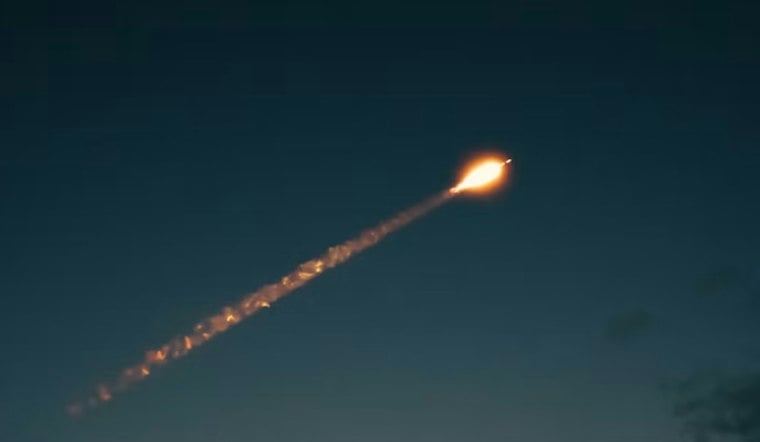
A bright fireball streaked across the North Carolina sky at roughly 47,000 miles per hour Friday night, and NASA says it wasn't a leftover from the Taurid meteor shower lighting up skies at the same time — it was a small chunk of an asteroid burning up in the atmosphere. The flash was first caught 53 miles above Robbinsville, a town of nearly 600 people tucked into the Nantahala National Forest in the Blue Ridge Mountains, roughly 208 miles west of Charlotte.
NASA confirmed the fireball using four cameras from its All Sky Fireball Network, according to The Charlotte Observer. Witnesses reported seeing the object streaking over southern Tennessee around 7:45 p.m., and NASA said on social media that the fragment measured about 2 inches in diameter and weighed roughly 6 ounces — a tiny visitor for such a dramatic show in the night sky.
The fragment didn't last long after it was first spotted. It disintegrated about 25 miles above East Ridge, Tennessee, just southeast of Chattanooga, bringing its brief, blazing trip across the sky to an end, per NASA's account relayed by the Observer.
Not Part of the Taurid Show
The timing raised an obvious question, since the Southern Taurid meteor shower was near its peak that same stretch of nights. According to Daily Voice, the Southern Taurids' November peak fell overnight Wednesday, Nov. 4, into Thursday, Nov. 5, with another viewing window the following night into Friday, Nov. 6. But NASA reported that the fireball over North Carolina and Tennessee was not connected to that shower at all.
Taurid meteors have a reputation for producing slow-moving, colorful fireballs that stand out against the dark sky, Daily Voice notes. Under ideal dark-sky conditions, the shower typically produces only about five meteors an hour on its own, or roughly 10 an hour when combined with its overlapping northern counterpart. This object, though striking, was something else entirely — a stray piece of space debris unrelated to the shower's annual pattern.
A Fragment From the Early Solar System
Asteroids like the one this fragment broke off from are rocky, airless remnants dating back to the early formation of the solar system roughly 4.6 billion years ago. That a piece small enough to fit in the palm of a hand could produce a fireball visible across two states is part of what makes these events such a draw for skywatchers, even when, as in this case, the object never posed any threat before it burned apart high above the Tennessee hills.
For now, the episode stands as a reminder of how much activity NASA's camera network quietly tracks overhead. The agency's observation chain, from the first detection above Robbinsville's forested ridges to the final breakup near Chattanooga, mapped the fragment's short but fiery path in close detail, even though it weighed only a few ounces by the time it vanished from view.




