

























































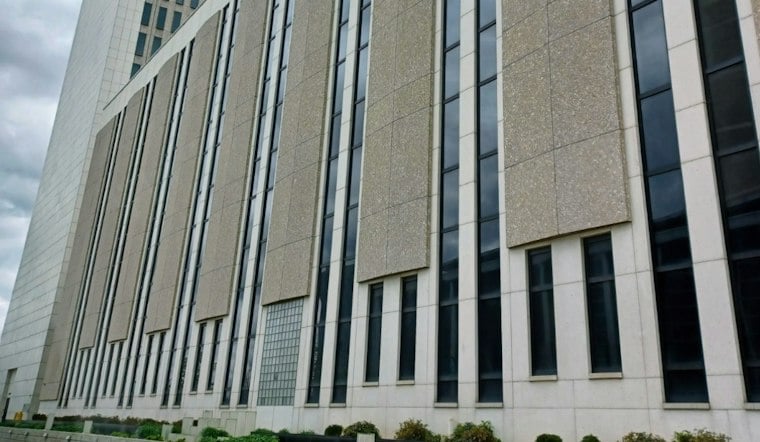
A three-judge federal appeals panel has ruled that Mostafa Kamel Mostafa, a double-amputee inmate at the federal supermax in Florence, Colorado, cannot pursue damages claims against prison employees over alleged failures in his medical, dental and dietary care. The Tenth Circuit said the claims fall outside the limited circumstances in which courts have allowed lawsuits against individual federal officials under the doctrine known as Bivens.
In its November 2 decision in Mostafa v. Blanche, the panel considered whether Mostafa’s allegations fit within an existing Bivens claim or would require recognizing a new one. Mostafa, a British citizen serving a life sentence at the U.S. Penitentiary Administrative Maximum Facility, arrived at ADX Florence in 2015. The panel opinion recounts his allegations of assault, inadequate accommodation of his Muslim faith and withholding of hygiene items despite his difficulty functioning with prosthetic arms. He also alleged inadequate dental and podiatric care, denial of a medical diet, insufficient prosthetics, failure to provide a mask and delays renewing prescriptions. The ruling and allegations were also reported by Colorado Politics.
Mostafa alleged that he could not clean himself, change his socks or cut his toenails, and that inadequate care led to infections. He also said he lost 11 teeth after having to open food packets with his mouth. He argued that officials were deliberately indifferent to serious medical needs in violation of the Eighth Amendment. U.S. District Court Judge Philip A. Brimmer dismissed the claims, finding they presented a new context outside the Bivens cases recognized by the Supreme Court; Mostafa appealed.
Why the Panel Said No New Lawsuit Could Proceed
Writing for the panel, Judge Carolyn B. McHugh concluded that Mostafa’s claims differed from Carlson v. Green, the 1980 Supreme Court case involving prison medical neglect that resulted in an inmate’s death. The Supreme Court has recognized Bivens remedies in only three settings: unreasonable searches and seizures, sex discrimination and deliberate indifference to an inmate’s serious medical needs resulting in death. Since 2022, the high court has signaled that extending damages suits against federal employees to new contexts is generally disfavored.
The panel also relied on the availability of the prison grievance process, saying its availability mattered whether or not an inmate succeeded in using it. Mostafa said he had filed at least 423 grievances without success. The panel comprised McHugh, Scott M. Matheson Jr. and Richard E.N. Federico; during arguments, Federico asked how the court could reject the claims while following its own precedent.
The Grievance Process and Its Limits
Federal prisoners can use the Bureau of Prisons’ administrative remedy process to raise complaints, but completing that process does not by itself establish a right to damages. The Bureau’s 2025 Legal Resource Guide says administrative remedies must be exhausted in Bivens actions; that procedural requirement does not guarantee that a damages claim is available.
Attorneys Clash Over Timing and Precedent
Mostafa’s lawyer, Paul Wolf, had asked the Tenth Circuit to delay its decision while the Supreme Court considered a similar case. The panel proceeded. Assistant U.S. Attorney William Morrison, representing the government, argued that the Supreme Court had not recognized a new Bivens cause of action in 40 years.
Mostafa was convicted of hostage taking, providing material support to terrorists and conspiring to provide goods and services to the Taliban, and was sentenced to life in prison. In January 2024, Brimmer declined to dismiss separate allegations that ADX officials denied Mostafa a religious diet and the ability to wash himself in accordance with his faith, according to Colorado Politics.
A Pending Supreme Court Case Looms Over Similar Claims
The decision comes as the Supreme Court considers another question about Bivens claims by federal prisoners. In June, the justices agreed to hear whether a prisoner could sue a nurse for allegedly denying medical assistance after a prison riot, according to NBC News. Kekai Watanabe says he was denied treatment after a riot at a federal prison in Honolulu in July 2021; the Ninth Circuit revived his lawsuit in September 2024.
A divided Ninth Circuit panel had held that Watanabe's claim over alleged inadequate treatment for a fractured coccyx did not meaningfully differ from Carlson, even though the district court had treated it as a new Bivens context, according to SCOTUSblog. How the Supreme Court ultimately resolves that question could shape future cases like Mostafa's, though the evidence available does not indicate when or how the justices will rule.





