

























































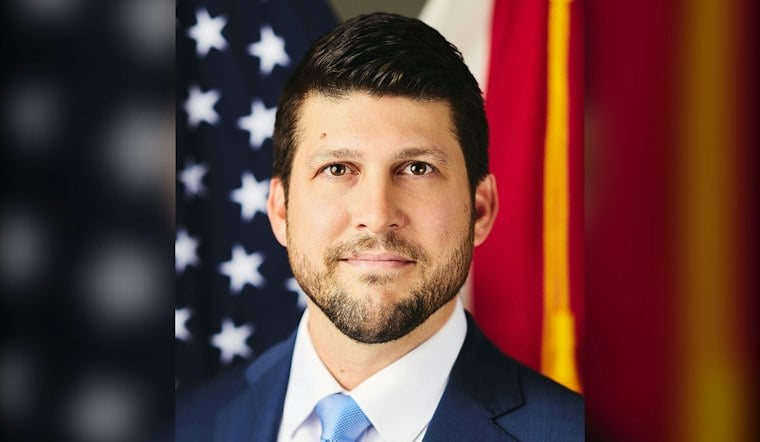
Florida Attorney General James Uthmeier has told the state's residents they can possess short-barreled rifles and short-barreled shotguns without registering them under federal law or fearing state prosecution, a sweeping shift in how Florida treats a category of firearms long subject to strict federal paperwork and a tax stamp. The Republican attorney general's guidance means law-abiding Floridians may now own these weapons without an National Firearms Act approval, registration, or federal tax stamp.
Uthmeier made clear his office will not back such cases if they reach an appellate court, according to News2A. “We are issuing guidance and will not defend a conviction on appeal. This office will always defend the Second Amendment rights of peaceable citizens,” he said. The announcement marks a formal, statewide version of a policy that had already taken hold in one corner of Florida.
What Changed, and Why Now
The shift traces back to a federal decision from the Bureau of Alcohol, Tobacco, Firearms and Explosives. On October 9, 2026, ATF said it would no longer enforce the requirement that individuals obtain prior federal approval before making or transferring short-barreled rifles, short-barreled shotguns, suppressors, and certain other concealable firearms classified in the law as “any other weapons,” according to the agency's own press release. ATF also said it would stop requiring those items to be registered in the National Firearms Registration and Transfer Record.
The agency said its new posture was not limited to the parties in the litigation that prompted it. “These policies apply uniformly to anyone otherwise subject to these requirements, not just to the plaintiffs in the litigation,” ATF said, according to The Daily Caller. Still, ATF's open letter to firearms dealers noted the agency is working as quickly as possible to issue new regulations, meaning the rulemaking process is described as ongoing rather than finished, per the agency's own letter.
The Texas Ruling Behind the Shift
Uthmeier's guidance cited a federal court decision out of Texas, but the scope of that ruling is narrower than Florida's new statewide posture. A U.S. District Court opinion, hosted by the Second Amendment Foundation, shows the permanent injunction issued in the case did not grant universal relief — it applied to the plaintiffs and, where applicable, their associated agencies, political subdivisions, members, and customers. The court also stayed the effect of its order for seven days from entry, according to the opinion itself.
Separately, a provision tucked into 2025 federal reconciliation legislation reduced the federal tax on transfers and manufacture of these firearms and silencers to zero, as reported by NPR. That law did not strip suppressors, short-barreled rifles, short-barreled shotguns, or other weapons from National Firearms Act oversight outright; the Senate parliamentarian had stripped language that would have done so.
Guardrails That Remain in Place
Uthmeier's guidance is not a blanket pass. It applies only within Florida's borders, and location-based restrictions on firearms still apply, according to the Alachua Chronicle. Individuals who are already prohibited from possessing firearms remain barred from owning the covered weapons even under the new guidance, the outlet reported.
Uthmeier's legal reasoning rests on an interpretation that Florida law does not independently criminalize possession of firearms that can lawfully be owned and possessed under federal law, the Alachua Chronicle reported. ATF's own open letter adds one more wrinkle for gun owners on the move: people transporting short-barreled rifles and shotguns should still file Form 20s even if the firearms are not registered in the national transfer record, according to the agency's letter.
A Policy That Started Local
Florida's statewide guidance builds on groundwork laid earlier in one judicial circuit. Eighth Judicial Circuit State Attorney Brian Kramer had already said his circuit would not criminally prosecute possession of NFA firearms based solely on the absence of registration, per News2A's reporting. Uthmeier's office acknowledged that earlier move directly, saying Kramer “previously issued similar guidance for our judicial circuit, and this extends the guidance to the whole state,” according to the Alachua Chronicle.
The push for statewide clarity had been building for months. Gun Owners of America formally asked Uthmeier on August 25 to clarify Florida Statute Section 790.221, the same provision at the center of the current guidance, News2A reported. With ATF's October policy shift and now Uthmeier's statewide stance, Florida gun owners have a clearer — though still federally unsettled — picture of where things stand while the agency continues drafting permanent rules.





