

























































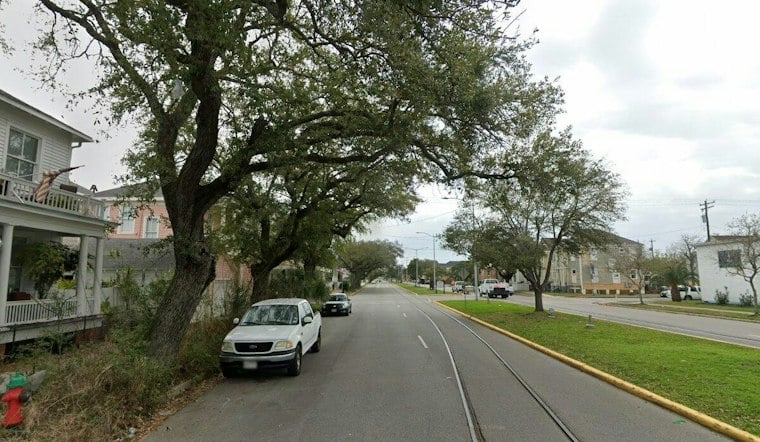
Galveston was once blanketed in oleanders so thick that a newspaper correspondent in 1897 described them growing in wild profusion, some reaching 20 feet tall. More than a century later, city leaders and a local nonprofit are trying to bring that floral identity back, starting with a new planting effort along one of the island's main north-south streets.
The push comes after the Galveston City Council accepted a $100,000 donation from the International Oleander Society at last week's meeting, according to Chron. The Galveston Park Board of Trustees kicked in a $50,000 challenge grant, and the Galveston community contributed the remaining half of the project's funding, per the same report. Kimberly Gaido, who is coordinating the project, told Chron that oleanders are colorful, suited to an island, and a perfect match for Galveston.
A Nickname Rooted in the 1840s
Galveston's bond with oleanders stretches back to 1841, when Joseph Osterman brought the plants to the island after a buying trip to Jamaica, according to gardendestinations.com. A historical marker at 902 25th Street credits Osterman with bringing the original oleander from Jamaica that same year, noting it was planted by his sister, Mrs. Isidore Dyer, as documented by galveston.com. The Texas State Historical Association's handbook offers a different timeline, stating that Osterman brought the first palms and oleanders to Galveston in 1842.
An outgrowth of the original Dyer planting was transplanted in 1939 when a new structure went up at the site, and the Texas Historical Commission erected the marker commemorating it in 1970, per galveston.com. The flowers thrived in the island's salty air and sunny climate, and the Women's Health Protective Association recognized oleanders as suited to Galveston's unforgiving soil after they became some of the first plants to return following the devastating 1900 hurricane, according to Chron's reporting and gardendestinations.com.
From Civic Symbol to Fading Memory
Galveston's mayor made the nickname official in 1989, signing a decree declaring the city The Oleander City, gardendestinations.com reports. The label had remained prominent through the 1970s and 1980s, per Chron, with oleanders even lining the I-45 causeway to welcome visitors arriving from the mainland. But the Oleander City tag faded over time as severe storms battered the island and its landscaping diversified, according to Chron. The thinning began as early as Hurricane Carla in 1961 and continued after Hurricane Ike struck in 2008 and the Valentine's Day freeze hit in 2021, Chron reports.
Dancie Perugini Ware described oleanders as a signature of Galveston's civic landscape in a July op-ed for the Galveston County Daily News advocating a revival of that heritage, according to Chron. The oleanders weren't just decorative — individual varieties were named for prominent Galveston citizens and other historical figures, including the Kempner, Moody and Sealy families and Barbara Bush, per the same report.
Where the New Plantings Are Headed
The International Oleander Society plans to plant roughly 1,000 oleander plants around Galveston, beginning along 25th Street, according to Chron. Kimberly Gaido predicted the project would gain community involvement and momentum as it moves forward, and the initiative could begin within a couple of weeks of the announcement, per her account to the outlet. Gaido helped propagate oleanders as a child alongside her grandmother, Maureen “Kewpie” Gaido, who co-founded the International Oleander Society in 1967 together with Clarence Pleasance — a milestone also confirmed by gardendestinations.com, which notes the society later changed its name roughly 20 years after its founding to reflect growing worldwide interest in the flower.
Complicating the effort is the fact that Broadway, also known as State Highway 87, falls under Texas jurisdiction rather than the city's, Chron reports. The Texas Department of Transportation removed many oleanders along Broadway during its own landscaping project there, which the agency expects to wrap up next year, according to the same report. That TxDOT work, part of a broader partnership among the city, the state transportation department and the Galveston Island Tree Conservancy, is designed to prune, trim and remove hazardous or overgrown trees and fix irrigation systems at locations around the island, according to thegalveston.org. Once that work is finished, the International Oleander Society plans to fill in the gaps left behind, with organizers hoping to eventually expand plantings to Harborside Drive and 61st Street — both state-maintained roadways, per Chron.
A CEO's Recent Education
Marty Miles, who took over as Galveston Park Board CEO in January, told Chron he only learned the city was once called Oleander City within the previous four months. Miles said the nickname should return once the project progresses, and he added that tourism efforts should ultimately benefit local residents, according to the report.
The living reminder of that history still stands at the Betty Head Oleander Garden, a half-acre park at 2624 Sealy Road behind the Moody Mansion, named for Betty Head. The garden is home to 41 different species of oleander, according to gardendestinations.com, though Chron's report describes the park as featuring more than 30 varieties. One of those varieties, the Kewpie oleander, was named for Maureen Gaido herself, per Chron. The garden has weathered its own share of storms, surviving Hurricane Ike even after salt water covered the entire island for 48 hours, gardendestinations.com reports. Today, the International Oleander Society propagates its stock in a Moody Gardens greenhouse, continuing a tradition of cultivation that has outlasted hurricanes, freezes and fading civic branding alike.




