

























































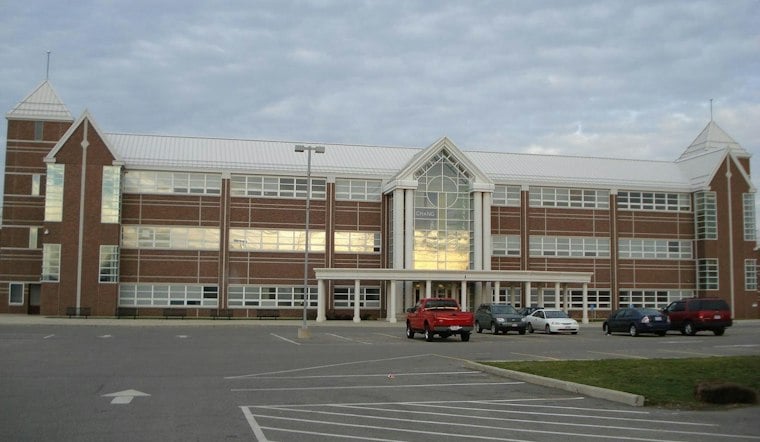
Three weeks after Garfield Heights voters rejected a school levy renewal, the district's board of education is taking the first step toward asking them to vote on it again. The board plans to hold a special meeting at 6 p.m. to consider a resolution that would put the existing levy renewal back before district voters, aiming to avoid a $4.1 million budget shortfall the district says it now faces.
Issue 6, a five-year renewal of a 7.74-mill operating levy first approved in 2012, failed on Nov. 3, according to Cleveland.com. The measure would have simply continued the existing tax without raising it, and the district says the renewal is a continuation of a tax residents already pay rather than a new levy. The levy raises about $4.1 million annually for district operations, funding classroom programs, textbooks, building safety and security, technology and science equipment, according to the district.
The meeting notice reviewed by the outlet does not specify the amount the renewed levy would raise, its duration, or a ballot date for a new vote, leaving key details of the district's next move still unsettled.
Years of Cuts Already on the Books
District officials have warned that losing the levy permanently would leave a $4.1 million hole in the budget, a gap they say could trigger staff and program cuts, the elimination of extracurricular activities, higher pay-to-play fees and even building closures. The district says it has already cut nearly $8 million from its budget in recent years, trimming 20% of teaching positions over the preceding three years and 30% of administrative positions across its central office and school buildings.
Those reductions have also touched security staff, student-supply funding, arts programming, and the district's social-emotional learning curriculum and staff, per the same account. Garfield Heights also began charging students to participate in sports and other activities as part of the belt-tightening.
A Tax Break Hangs in the Balance
District officials say letting the levy lapse would permanently cost homeowners a state tax break tied to the original levy. Ohio currently covers 12.5% of the older levy through rollback and homestead programs, with Garfield Heights residents paying the remaining 87.5%, the district says. A replacement levy would not qualify for that state credit, according to the district, meaning taxpayers would have to cover the full amount to raise the same amount of money if the existing renewal isn't restored.
That financial squeeze is playing out against a tougher statewide climate for new school funding requests. Ohio voters approved 72 of 134 school-tax issues in the Nov. 3 general election, a 54% passage rate, according to unofficial results reported by Cleveland.com. Renewal requests like Garfield Heights' fared far better than requests for new money: 51 of 63 renewal measures passed statewide, an 81% rate, while just 20 of 69 requests for additional funding succeeded, a 29% rate.
Other Districts Face Their Own Reckonings
Garfield Heights isn't alone in grappling with the fallout of a failed levy. After its operating levy failed, Winton Woods said it would implement additional budget reductions beginning Dec. 1 and suspend before- and after-school tutoring and enrichment programs starting Jan. 1, according to WCPO. That levy, a 6.95-mill request, had drawn 4,851 votes in favor against 6,080 opposed, or 44.38% support, the station reported.
Elsewhere in Ohio, North College Hill City Schools is preparing $1.8 million in additional reductions for the 2027-28 school year after voters rejected a proposed 1.25% earned income tax, WCPO reported. Northwest Local School District is bracing for roughly $7 million in cuts for the same school year after its own earned income tax request failed, and plans to raise student pay-to-participate fees to $800 per student. Fairfield City Schools has said it will carry out about $11 million in previously identified reductions if it cannot secure new revenue by the end of the current school year.
For Garfield Heights, the board's consideration of a new resolution marks an early step rather than a settled plan, with the levy's size, length and ballot timing still unclear. The district's financial warnings, paired with the statewide pattern favoring renewals over new money requests, suggest the board is betting that voters will treat a second try differently than they did Issue 6 earlier this month.





