

























































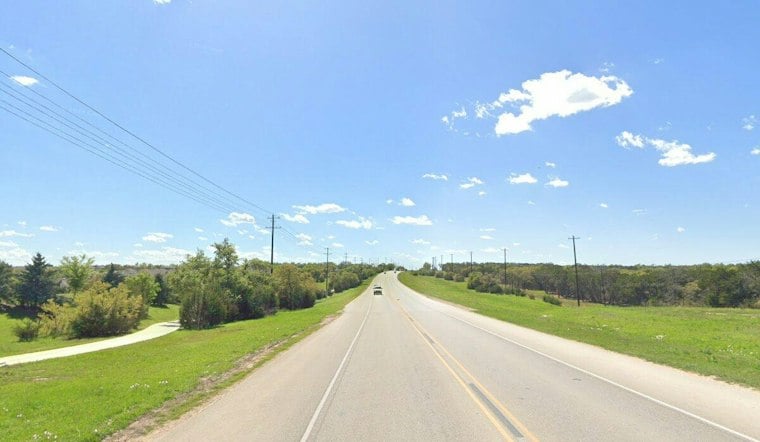
Shovels hit the dirt in Georgetown this past week as project partners, community leaders and invited guests gathered for a ceremonial groundbreaking on Heirloom, a planned 620-acre master-planned community set along Ronald Reagan Boulevard. The project combines housing, retail, parks and trails on land that developers say was shaped around the property's natural slopes, drainage patterns, floodplain and existing trees.
The Nov. 5 groundbreaking came about a week after the Georgetown City Council unanimously approved the project's special assessment ordinance and Service and Assessment Plan for the Heirloom public improvement district, according to Community Impact. Council members also authorized the issuance of $20.89 million in city bonds to help fund construction, the outlet reported. Details on the ceremonial groundbreaking itself come from a press release carried by The Detroit News.
Logan Kimble, vice president of land operations at Columnar Holdings, said Heirloom offers an opportunity to create something lasting for Georgetown. “The vision is to create a place rooted in Georgetown where residents connect, enjoy the outdoors and build memories,” Kimble said, per the press release. Developers say Heirloom is designed to bring together residential neighborhoods, commercial destinations, parks, trails and gathering spaces into what they describe as a lasting destination for Georgetown residents and visitors.
How Big, Exactly? Reports Diverge on Unit Count
Just how many homes Heirloom will ultimately include depends on which account you read. The press release behind the groundbreaking describes approximately 3,000 residential units, while Connect CRE similarly reported the project was planned to include up to 3,000 residential units for “a variety of household sizes and income levels.” Community Impact's coverage of the council vote, however, referred to Heirloom as a 3,600-unit development, leaving the final residential count unresolved across the available reporting.
What is consistent across the coverage is the mix of uses planned for the site. Heirloom will feature single-family homes, townhomes and commercial components alongside a future Georgetown ISD school site, the station's report noted. Earlier Community Impact coverage from August 2025 pegged that school site at 120 acres and described at least 200,000 square feet of planned commercial space — a figure the press release echoes.
Trails, Greenbelt and a Seven-Year Buildout
Beyond rooftops and retail, Heirloom's developers are promising a park and greenbelt spanning more than 50 acres and a trail loop stretching more than four miles, according to the press release. The development plan prioritizes heritage tree protection, green-space preservation and minimizing unnecessary land disturbance, the release states. Construction will unfold in phases, with an anticipated initial buildout period of approximately seven years depending on market conditions.
The nearer-term target is more concrete: completion of Heirloom's first phase is expected around May or June of 2027, Kimble told Community Impact following the council's approval.
A Fast-Growing City Adds Another Mega-Project
Heirloom lands in a city that has been reshaping itself for years. Georgetown's population grew 43% to more than 96,000 between mid-2020 and mid-2023, according to U.S. Census figures cited by The Real Deal. The city's own demographics page estimates Georgetown has since surpassed 100,000 residents as of 2025, with significant growth occurring in 2022 and 2023, according to the City of Georgetown — though that figure draws on different institutions and time frames than the Census-based estimate and shouldn't be read as a direct comparison.
Georgetown isn't the only Hill Country-adjacent city seeing large-scale development interest. In Fredericksburg, DC Partners has proposed a 22-acre expansion of that town's Main Street featuring retail, restaurants, tasting rooms and a small luxury hotel, the same Real Deal report noted. For now, Heirloom stands as one of the more sprawling bets on Georgetown's continued growth, with its first residents potentially moving in by the middle of 2027.





