

























































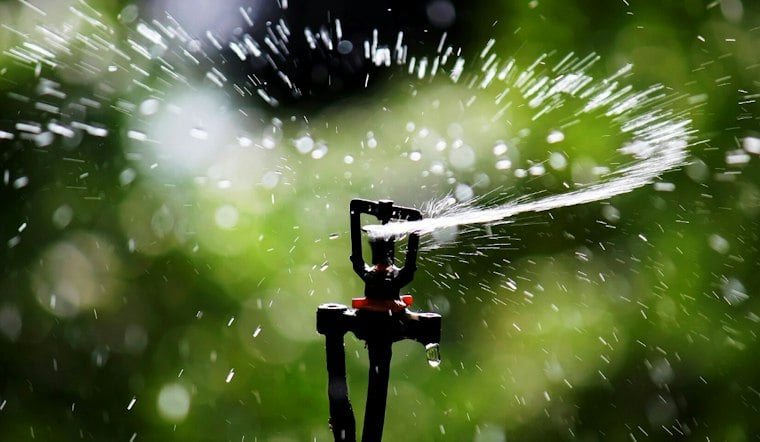
Greensboro residents are now under mandatory watering limits as the city's drought keeps tightening its grip on the Piedmont. The City of Greensboro began Stage 2 mandatory irrigation restrictions this past Tuesday, November 3, under its Water Shortage Response Plan. Substantial rainfall is ultimately needed.
Recent rainfall at GSO has been below normal. Piedmont Triad International Airport received 1.85 inches in the last 30 days and 27.71 inches over the past year, compared with a normal 43.95 inches, or 63%.
The city's own notice points to a continued decline in storage levels across its three water reservoirs as the reason for the new restrictions, according to the City of Greensboro. The situation at Lake Townsend illustrates just how severe the shortfall has become: the lake was more than 80 inches below normal for this time of year, according to a report from abc45.com. Water Resources Director Mike Borchers told the station that an inch of rain could slow the drop in lake levels, but it would take several inches to actually replenish them.
What the New Rules Require
Under Stage 2, residents can run sprinklers just once a week, tied to their city garbage pickup day, the station's report notes. Customers with multiple pickup days, or no city garbage service at all, are assigned Wednesday for their watering day. Golf courses and institutional playing fields face a steeper cut, required to reduce water use by 40% compared with the same billing period last year.
Enforcement of the restrictions is set to begin Monday, November 9, and the city said the limits will remain in place for 30 days, per the same account. City officials also said almost a third of Greensboro's water demand comes from regional partners, and the city is weighing a plan to transfer water from Higgins Lake into Brandt Lake to help ease the strain.
A Statewide Drought With No Quick End in Sight
Greensboro's predicament fits into a much larger pattern across North Carolina. The state's drought advisory was updated to reflect ongoing drought conditions as of November 3, according to that week's U.S. Drought Monitor data cited by the North Carolina Drought Management Advisory Council. The council advises water systems in affected areas to follow their Water Shortage Response Plans and adhere to local water-use restrictions.
Substantial rainfall is ultimately needed.




