

























































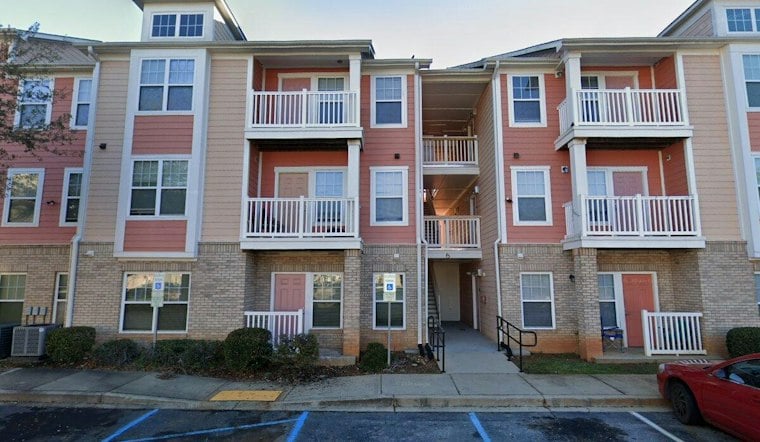
The Greenville Housing Authority has locked down 432 affordable apartments in the Nicholtown neighborhood for good, closing an $8,467,553 deal to buy four communities it already managed rather than risk losing them to the open market. The properties — Forest View, Evergreen Place, Nichol Town Green and Clark Ridge — will keep operating exactly as they have, with no disruption for the families living there.
According to Who's On The Move, the acquisition permanently preserved all 432 affordable residences across the four sites and prevented them from transitioning to market-rate rentals. The same report notes that because the Greenville Housing Authority already oversaw management of the properties, there is no change of service for the residents. That continuity matters in a county where losing affordable units to the private market has become a real threat as those units age out of their federal protections.
Per the Greenville Journal, the authority financed the purchases through two different paths. Forest View and Evergreen Place were bought using the agency's unrestricted development reserves, while Nichol Town Green and Clark Ridge were acquired with financing from United Community Bank, the outlet reports, citing TGHA Interim CEO Beth Clark.
Why These Four Properties Needed Saving
Forest View, Nichol Town Green and Clark Ridge collectively make up what's known as the Heritage community, while Evergreen Place sits separately on Roosevelt Avenue, per the same account. All four were built or comprehensively rehabilitated between 2006 and 2008 using a federal HOPE VI grant along with private equity raised through Low-Income Housing Tax Credits, the outlet notes.
Properties financed with those tax credits carry a limited compliance window. A HUD USER research summary explains that federal law required at least 15 years of affordability for developments from 1986 to 1989, while new LIHTC properties starting in 1990 were required to preserve affordability for 30 years — a structure that, as HUD USER describes it, can leave aging affordable complexes exposed once their compliance period lapses. The Greenville Journal reports that this acquisition prevented the four communities from converting to market-rate rentals after their own compliance period ended.
TGHA Board Chairman Matt Grandy framed the purchase as central to the authority's purpose. “Preserving current affordable housing units is our mission,” Grandy said, according to the unlinked account from the same local coverage. Grandy also thanked United Community Bank for making the preservation possible, per the Greenville Journal.
A Tight Market Squeezing Greenville Renters
The timing lines up with mounting pressure on Greenville's housing stock. Greenville County is projected to add 222,000 people by 2040, according to WYFF, which also cited Redfin data showing the median home price in West Greenville at $509,000, while the average cost of a home was nearly 25% higher than a year earlier. Greenville County Council Chairman Pro-Tem Butch Kirven told the station bluntly: “Nobody's building for profit in the affordable housing range. So, we have a shortage.”
That shortage isn't new. A Greenville affordable-housing strategic plan released in October 2020 found that roughly 85,000 Greenville households were at or below 80% of area median income, with about 46,000 of those considered housing cost-burdened, according to the Greenville Housing Fund. That plan set a goal of preserving more than 3,000 affordable homes and creating more than 10,000 new ones across the city and county over the following decade.
Other local players have been chasing similar goals. The Greenville Housing Fund has said it invested in producing and preserving 1,048 affordable homes within the city since 2018, according to Housing Finance. That same outlet reported the fund's acquisition of Century Plaza Apartments, a 212-unit complex in Greenville's Overlook neighborhood formerly known as The Ivy, in a $31 million deal described as the fund's largest to date, with plans to invest close to $5 million in renovations to more than half of the units. The fund said it looked forward to partnering with the Greenville Housing Authority to accept housing vouchers at that property.
Back in Nicholtown, the message from the housing authority is that nothing changes for current tenants — the units are protected from conversion to market-rate rentals. With population growth and home prices both climbing across the county, preserving 432 units that were already at risk of flipping to market rate counts as one of the more concrete wins local officials can point to this year.





