

























































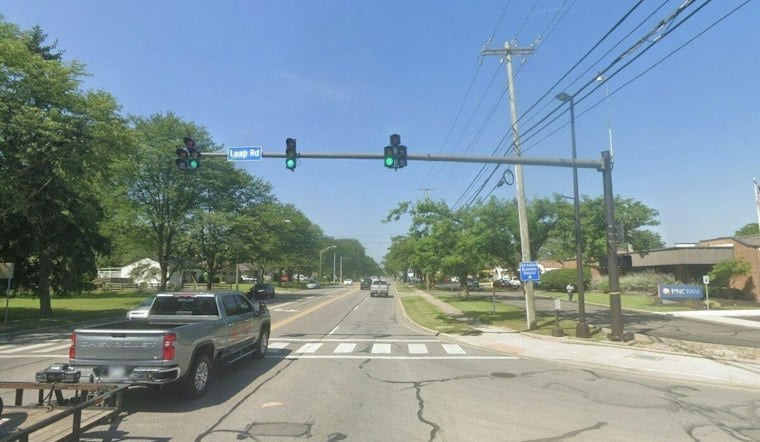
Hilliard City Council signed off on a $36.4 million capital improvement budget for 2027 in a unanimous vote Monday, setting aside $900,000 to keep moving forward on the long-discussed overhaul of Leap Road. The money will fund continued design work and the start of right-of-way acquisition for a project that's been in the works since 2022 but still won't see construction crews until 2029.
Council Signs Off On Spending Plan
Council voted 7-0 at its Nov. 9 meeting to approve the budget, according to The Columbus Dispatch. The capital budget funds maintenance and construction of city infrastructure broadly, but the Leap Road allocation stands out as a down payment on one of the city's biggest undertakings. Of the $36.4 million total, $900,000 is earmarked specifically for continuing the project's design and beginning to acquire right-of-way.
The spending plan had already been discussed at an Oct. 26 committee of the whole meeting ahead of the formal vote, the newspaper's report notes. At that meeting, Hilliard City Engineer Letty Schamp told council the $900,000 would go toward design work and right-of-way acquisition, and said project costs had increased considerably because the project is complicated.
What's Actually Wrong With Leap Road
The Leap Road corridor improvements project aims to reconstruct a decades-old stretch of the road south of Cemetery Road. City officials say the roadway currently has frequently flooded sidewalks, gaps in the sidewalk network, and a flat grade with drainage problems that make travel difficult for drivers, pedestrians and bicyclists alike.
The fix, as outlined at the October meeting, is extensive: new curbs, drainage upgrades, street lighting, two mini-roundabouts, sidewalks and shared-use paths. The project also includes replacing all water services along the corridor, with the water line alone estimated to cost about $2.5 million, and may include a sanitary sewer as well. The work is part of Hilliard's ongoing Pedestrian/Bicycle Mobility and Safety Program, which dates back to 2022.
The Price Tag Keeps Shifting
Just how much the full Leap Road project will ultimately cost is murkier than the budget line suggests. The Dispatch's report states that Hilliard plans to spend more than $20 million on the project through 2029, including roughly $18.6 million in fiscal year 2029 alone — about 43% of that year's entire capital budget. That figure stands in contrast to an estimate reported in April by the Hilliard Beacon, which put the project's cost between $9.5 million and $10.5 million. The available reporting does not explain the gap between those two figures.
The Beacon's earlier reporting also laid out a slower timeline than some residents might expect: detailed designs were to wrap up in 2027, with right-of-way acquisition and the relocation of private utilities following in 2028. Construction itself is not expected to begin until 2029, according to that outlet's report — meaning Leap Road's flooding and sidewalk gaps will likely persist for several more years before crews break ground.
Help From Transit Funding
Hilliard isn't footing the entire bill alone. The city expects to have $6.7 million of its expenses reimbursed through COTA's LinkUS Transit Supportive Infrastructure program, and plans to seek additional funding from the Ohio Public Works Commission to help close the gap. The Leap Road corridor improvements project is described as the city's most expensive nonroutine capital project in its current five-year capital improvement plan.
Leap Road isn't the only big-ticket item competing for space in Hilliard's capital planning. City staff also asked council to budget $4.8 million in 2027 as the city's local cash outlay for land acquisition tied to the Heritage Trail extension, an approximately 9-mile, multi-jurisdictional trail project, according to Citizen Portal. That project, too, is expected to draw on Transit Supportive Infrastructure reimbursement over multiple years, putting it alongside Leap Road as one of the city's bigger multi-year infrastructure bets heading into 2027.





