

























































The Hispanic Scholarship Fund says its signature Scholar Program will be open to students of any race or ethnicity starting in January 2027, ending a longstanding requirement that applicants demonstrate Hispanic heritage. Instead, applicants will need to show a commitment to supporting, celebrating and advancing the success of Hispanics in the United States. The shift resolves a lawsuit that had accused the organization of excluding non-Hispanic students from its signature Scholar Program.
“As of January 2027, the HSF Scholar Program will be open to all students regardless of their ethnicity,” the organization said in a statement distributed via PR Newswire. Under the new criteria, students must show that same commitment to Hispanic success in the U.S. in order to qualify, according to the same statement. HSF, founded in 1975, said it has awarded more than $825 million in scholarships over its history.
The change settles a lawsuit filed last year by the American Alliance for Equal Rights, which alleged that HSF was violating federal law by excluding non-Hispanic students from applying, as reported by Bloomberg Law. According to Inside Higher Ed, the Alliance's suit centered on eligibility criteria requiring applicants to be at least one-quarter Hispanic, and the group alleged that requirement amounted to discrimination against non-Hispanic students. The American Alliance for Equal Rights has since settled its case against HSF.
HSF Says the Lawsuit Didn't Drive the Decision
Despite the timing, HSF insisted the legal fight wasn't what pushed it to change course. “While changing the HSF Scholar Program criteria will end the lawsuit against HSF,” the organization said in its statement, it maintained the lawsuit did not prompt the decision. The New York Times reported that HSF said it had been contemplating the change to its program for several years, since 2023 — well before the Alliance filed suit in 2025, according to The New York Times.
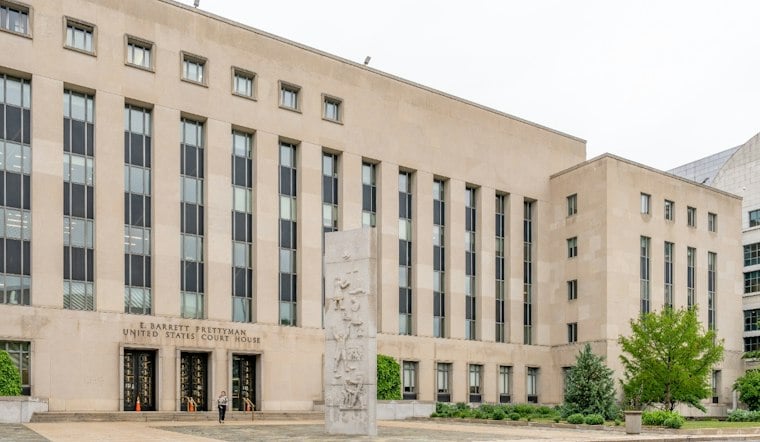
HSF also pointed to a September 2026 ruling from the U.S. District Court in Washington, D.C., which dismissed parts of the lawsuit while allowing other parts to continue. The organization said it believed that decision made clear that scholarships for racially disadvantaged communities do not violate federal civil rights laws, per its PR Newswire statement. HSF said it had defended the suit to vindicate organizations' right to support racially disadvantaged communities in line with their strategic vision, and said the district court's ruling vindicated that right — though it acknowledged the decision would have required changes to aspects of how the program was administered. A judge had earlier found that the Alliance sufficiently alleged its racial discrimination challenge implicated protectable contractual rights, Bloomberg Law reported.
A Pattern Playing Out Beyond One Scholarship Fund
The HSF case isn't an isolated one. The American Bar Association faced a similar challenge over its Legal Opportunity Scholarship program, which the Alliance's lawsuit alleged discriminated against white applicants by making them ineligible, according to Reuters. The ABA, which distributes 20 to 25 of the $15,000 scholarships annually, removed race and ethnicity requirements and replaced them with a standard requiring applicants to show a strong commitment to advancing diversity, equity and inclusion. The Alliance and the ABA then jointly moved to dismiss that case, Reuters reported.
Both disputes trace back to the Supreme Court's 2023 decision on race in college admissions, after which the future of race-based scholarships has remained unclear, Inside Higher Ed reported. The Trump administration interpreted that ruling as a ban on all race-conscious policies and programs, according to the same report, and Edward Blum and other conservative activists have filed lawsuits and federal civil rights complaints against a range of scholarship programs since. Blum leads the American Alliance for Equal Rights and also serves as president of Students for Fair Admissions, the group that successfully sued Harvard University and the University of North Carolina at Chapel Hill over race in admissions, per Inside Higher Ed.
Competing Views on Charitable Giving
Blum framed the HSF settlement as a win. “Race and ethnicity should never affect a student's opportunities,” he said, according to Inside Higher Ed, adding that the Alliance applauded HSF for making its scholarships and support services available to all students. Advocates on the other side of the debate have argued that private charitable organizations should be free to give money to whomever they choose, Inside Higher Ed reported.
HSF describes its mission as making education more accessible to Hispanic students, and the organization's broader goals remain unchanged even as its flagship scholarship widens its doors. Inside Higher Ed reported that HSF's website still listed outdated eligibility criteria as of this past Tuesday, and that the organization had not responded to the outlet's requests for comment by that point. The low-confidence trend described by The Daily Record — that scholarships aimed at students of color, women and others are becoming less common amid pressure from the Trump administration — offers some context for why fights like this one keep surfacing across higher education, though the HSF case stands on its own settlement and court record.




