

























































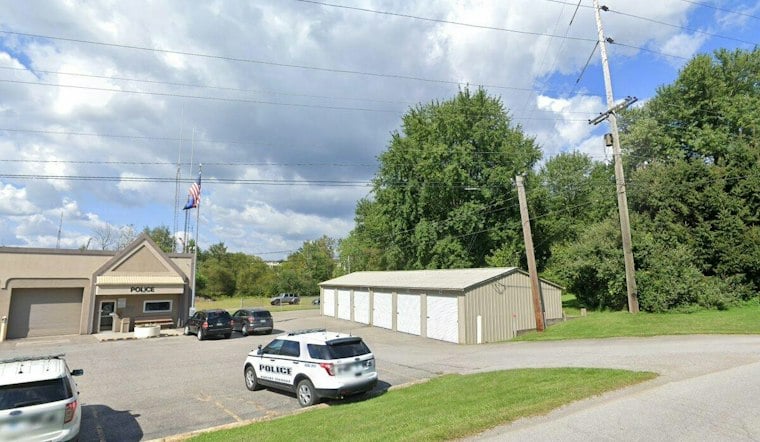
A Hubbard Township trustee has introduced a resolution concerning nondisclosure agreements with data center developers. Eric Lamb introduced a resolution prohibiting nondisclosure agreements on data centers, a move that lands just days after Hubbard voters delivered a resounding verdict against the industry at the ballot box.
Lamb's resolution, reported by WFMJ, comes against the backdrop of a bruising year-long fight between Hubbard-area officials, residents and data center developers. The friction traces back to a specific grievance: residents petitioned to put a total development ban on the ballot after learning that the mayor had signed a non-disclosure agreement with a developer regarding a potential project, according to ideastream.org. That anger translated directly into votes on Nov. 3, when Hubbard residents approved the total ban on data center development with about 76% of the vote in unofficial results.
A Year of Moratoriums and Rejected Rules
The ballot measure capped months of maneuvering at both the city and township level. Hubbard City Council passed its own year-long moratorium on data center development back in June, the same report notes. Separately, Hubbard Township trustees had already voted 2-1 in February to impose a one-year moratorium barring data centers from entering the township, per the same account.
Township trustees later tried to replace that blanket pause with actual zoning rules, but the effort stalled. Trustees ultimately voted to reject the proposed regulations, keeping the moratorium in place and sending the zoning commission back to rework and tighten the language, according to a report from wfmj.com. Legal counsel for the township explained the core problem during that debate: a moratorium banning data centers and zoning regulations that would allow them under certain conditions cannot both be in effect at the same time, counsel said, warning trustees that, “You can't have both in place at the same time, a moratorium banning the data center and then zoning regulations saying, ‘Well you can come in, but you've got to come in under these rules.’”
Before that rejection, trustees had tried to get public input right. They scheduled a public meeting for 6:30 p.m. on Oct. 28 at the Hubbard High School Auditorium specifically to discuss the proposed zoning language, according to tribtoday.com. One detail from that draft zoning article stood out: it would have required any data center campus or high-energy industrial use to occupy a minimum of 100 acres, the outlet reported.
Other Northeast Ohio Towns Chose Different Paths
Hubbard was not alone on Nov. 3. Neighboring communities took notably different approaches to the same industry pressure, according to the ideastream.org report cited earlier. Conneaut voters approved a more moderate measure, a charter amendment prohibiting data centers larger than 25 megawatts, passing by a two-to-one margin in unofficial results. Perry voters, meanwhile, approved regulations rather than a ban outright, with 87% support in unofficial results for an ordinance requiring financial guarantees from developers seeking tax abatements or other incentives, along with restrictions on size and noise.
A Similar Fight Just Collapsed in Indiana
Hubbard's push for an NDA ban has an instructive parallel outside Ohio. In South Bend, Indiana, the Common Council had adopted a resolution on Sept. 28 supporting Mayor James Mueller's executive order prohibiting city departments from entering into NDAs and other confidentiality agreements tied to data centers, according to the South Bend Tribune. But a follow-up ordinance from council members Oliver Davis and Sherry Bolden-Simpson that would bar city officials from entering into NDAs hit a wall this week. The city's Personnel and Finance Committee voted 4-1 on Monday, November 9, to table that ordinance indefinitely, with opponents citing vague, broad language and questioning the bill's legality and scope, the newspaper reported.
Whether Lamb's resolution faces a similar fate, or sails through where South Bend's stalled, remains to be seen. The available record establishes only that the resolution has been introduced in Hubbard Township; it does not yet show whether trustees have referred it for further debate or scheduled a vote. For a community that just spent a year wrestling with moratoriums, rejected zoning drafts and a landslide ballot measure born out of a secret mayoral agreement, the push for transparency around future data center deals is likely far from finished.





