

























































A Huber Heights woman with Alzheimer's disease left her home alone in a vehicle on Thursday morning, setting off a frantic search that her family feared could end badly. Instead, officers tracked her down and safely stopped the car in about 25 minutes, reuniting her with relatives who had been worried sick about her safety.
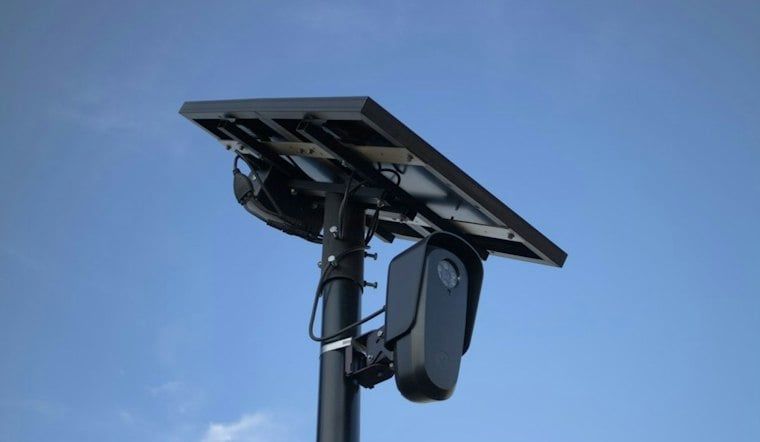
According to WHIO, the initial call came in around 9:45 a.m. Thursday after the woman left her Huber Heights home in a vehicle. Officers entered the vehicle's information into the Flock camera system, a network of automated license plate readers, and used it to locate the car traveling northbound on Old Troy Pike near U.S. Route 40.
Police safely stopped the vehicle in Huber Heights and found the woman unharmed. The outlet reported she was located by 10:10 a.m., roughly 25 minutes after the first call came in.
Police Credit Technology and Teamwork
The Huber Heights Police Department shared on social media that the Flock cameras helped locate the missing woman and reunite her with her family, per the station's report. Department officials said technology, quick action, and cooperation between law enforcement agencies can make a meaningful difference in the community, the same account notes.
This isn't the first time the license-plate camera network has been credited with tracking down a vulnerable person. In Redding, California, Sheriff Michael Johnson told KRCR that those cameras have helped his department find people with Alzheimer's or dementia who wandered away. Earlier this year, a Lucas County sheriff's deputy used the same type of system to find a missing girl in less than 30 minutes, according to WCAX. In Stoneham, Massachusetts, detectives used a network of Flock cameras to trace a car tied to an elder scam to seven potential locations, per WCVB.
Cameras Also Draw Scrutiny Over Access and Records
The same technology that reunited the Huber Heights family has also stirred debate elsewhere over who can see the data it collects and how it gets used. In Shasta County, most community members who spoke at an Oct. 27 meeting opposed the plate readers as the board of supervisors considered a five-year agreement, KRCR reported.
A Denver resident, Chrisanna Elser, has filed a federal civil rights lawsuit against Flock Safety, the municipalities of Columbine Valley and Bow Mar, and two police officers, alleging that police tracked her movements for nearly a month and wrongly tied her to a stolen twenty-five-dollar package, according to Denver7. Flock Safety responded that its system accurately identified the vehicle's location, that interpreting that information was law enforcement's responsibility, and that the company intends to vigorously defend itself in the litigation, the station reported.
Public Records Fight Brews Closer to Home
Closer to Huber Heights, questions have also emerged about how much the public can learn about these camera networks. The Dayton Daily News reported that more than two dozen local police agencies refused to provide records showing how outside agencies use their ALPR networks, after the paper requested Flock data from more than 40 local public organizations over a four-month span.
That report said law directors in Bellbrook and Huber Heights claimed that ALPR images and data maintained in a database are barred from release under Ohio law, citing House Bill 96, which the Dayton Daily News said changed the state's public-records law to exempt ALPR images and data from public release. The ACLU of Ohio's legislative director countered that state law should not shield ALPR audit logs from public access and inspection, the paper reported. Separately, Dayton suspended its use of fixed-point automatic license plate readers after disclosing that outside agencies had accessed camera data for immigration-related searches, according to the same report.
For the Huber Heights family whose loved one wandered off Thursday, the outcome was the best-case scenario: a safe recovery in under half an hour. But the broader debate over how these cameras are deployed, accessed, and disclosed to the public is far from settled.




