

























































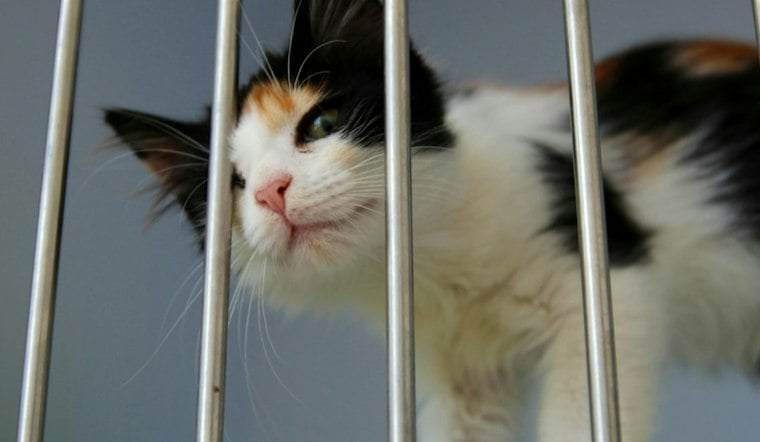
Inside a cramped Victorian home on Warren Street in Hudson, 160 cats are packed across four creaky floors — and the shelter that cares for them is completely full. AnimalKind staff spent Wednesday morning working to admit 60 more cats pulled from a property in Livingston, even as the rescue grapples with a record feline population and a new, larger facility that is still years from opening its doors.
A Historic Building Bursting at the Seams
AnimalKind's current home at 741 Warren St. is a four-floor Victorian structure spanning just 5,600 square feet, with four stories of staircases and tight hallways that make daily cat care a logistical puzzle, according to The Daily Gazette. Employees and volunteers have worked out of the building for more than 30 years, the outlet reports, even as the organization's reach has grown to include cats from Connecticut, Massachusetts, New York City and Long Island. Executive Director Nikki Armsby says the shelter is now at capacity, a strain that coincided with a record cat population reached in October, driven in part by several Twin County hoarding cases and a growing need for affordable veterinary care.
That squeeze was on full display this week: staff were in the middle of admitting the 60 cats from the Livingston property Wednesday morning, per the same report. It's the kind of sudden influx that has become increasingly familiar to the shelter's team, even as the building itself leaves little room to spare.
Bigger Plans, Bigger Delays
AnimalKind's answer is a planned 9,900-square-foot facility at 4401 Route 23, across from Columbia-Greene Community College — nearly double the footprint of the current site. The new building is designed to include a larger medical area and dedicated isolation rooms for cats battling distemper, respiratory infections and ringworm.
But the timeline for that relief keeps shifting. The latest report from the outlet says the opening has been delayed to fall 2028 because of a lengthy approvals process, a schedule that conflicts with an earlier Gazette report describing plans to demolish the vacant building on the two-acre site in the fall, break ground in March and finish construction by the end of 2027. AnimalKind's own website similarly states the organization expects to relocate at the end of 2027. Armsby has said the delay carries a silver lining, allowing AnimalKind more time to fundraise and rely less on loans to fund construction.
What the Expansion Would Mean for Spay and Neuter Capacity
The scale of the planned upgrade is significant. AnimalKind's current site supports only about 40 to 50 spay and neuter procedures per day, while the new facility is expected to support up to 150 per day once it opens. The shelter charges just $160 for an average spay or neuter, according to Armsby, compared with the $600 to $800 a standard veterinarian typically charges — a gap that keeps the service accessible through donor and grant support.
Demand for that low-cost care has climbed sharply. The shelter performed 780 spay and neuter procedures in 2025 and expected to complete 2,500 this year. Vaccine totals jumped from 1,350 in 2025 to a projected 5,000 in 2026, while scheduled health exams rose from 650 to 2,000 over the same stretch. Prescriptions and other medical therapies increased from 530 to 1,800, according to figures cited in the same report.
An Affordability Crisis Driving Cats Outdoors
Armsby attributes much of that surging need to a nationwide affordability crisis. She says people's ability to care for cats at home has declined because many can no longer afford pet food, making it easier for owners to abandon cats outdoors when money runs short. Unlike dogs, cats aren't regulated in the same way, Armsby notes, meaning there's effectively no penalty for leaving one behind. Cats left outdoors face risks from exposure to the elements, disease and being struck by vehicles — and if they aren't spayed or neutered, they can reproduce quickly, compounding the problem.
AnimalKind isn't alone in confronting this strain. The Columbia-Greene Humane Society/SPCA took in 56 cats from a Catskill cruelty case and another 62 from a separate incident, contributing to an influx that placed considerable demands on its veterinary staff, shelter personnel and resources. WNYT separately reported that 96 cats were rescued from a 900-square-foot apartment in Catskill, underscoring how quickly hoarding situations can overwhelm the region's limited shelter capacity.
A Nationwide Strain on Shelters and Pet Owners
The pressure extends well beyond the Hudson Valley. The ASPCA estimates that 5.8 million dogs and cats entered U.S. shelters and rescues in 2025, including 3 million cats, while 4.2 million shelter animals were adopted — not enough, the organization says, to meaningfully shrink the national population of sheltered dogs and cats. The ASPCA also reports that many shelters nationwide are now at capacity, with animals, especially dogs, staying longer than they did five years ago.
Cost remains a central barrier for pet owners trying to keep animals out of shelters in the first place. A Gallup survey found that 71% of pet owners who skipped or declined veterinary care cited cost as the key factor, and 73% of those who turned down care over cost said they were never offered a more affordable option. A related PetSmart Charities-Gallup study found that 52% of U.S. pet owners had skipped needed veterinary care in the past year.
Back in Hudson, Armsby says the new facility is meant to help AnimalKind meet those expanding veterinary needs once it finally opens. Until then, the Warren Street shelter — and the staff working within its tight hallways — will keep absorbing cats like the 60 that arrived from Livingston this week, one overcrowded room at a time.




