

























































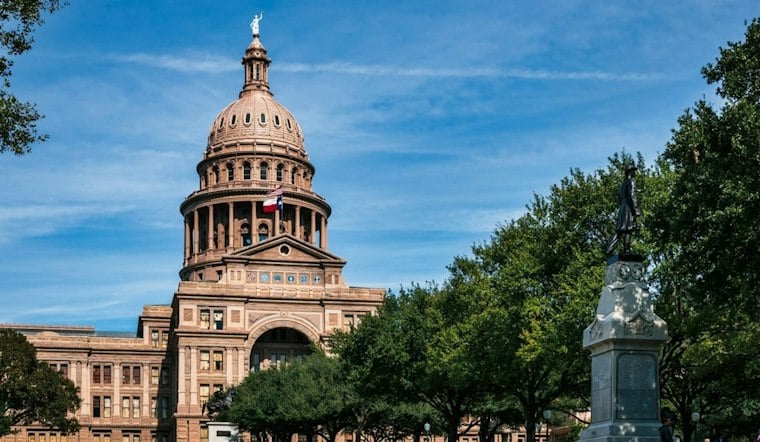
Democrat Sandy Ibanez is set to take Texas House District 28 from Republican Gary Gates, who was seeking a fourth term. The lead is real in the published local counts. How large it is, and whether the paperwork is finished, is a less tidy question.
Covering Katy reported that unofficial Fort Bend County results, updated Nov. 9, had every precinct in for the Gates race and a neighboring House contest. Those results had not been formally certified.
Two Counts, One Unfinished Result
The same outlet has published two different pictures of the District 28 vote. One account put Ibanez ahead by 1,608 votes, 50.90% to Gates's 49.10%.
A separate Covering Katy results report gave Ibanez 42,678 votes, or 51.19%, and Gates 40,696, or 48.81%. That is a lead of 1,982 votes.
Both versions have her in front by a couple of points, not a recount-sized sliver. They do not match, and nothing in the reporting explains the gap or identifies a certified canvass. Until Fort Bend finishes that step, either set is a published unofficial tally, not a final margin.
A Seat That Looked Settled
Gates was not defending a coin-flip district on paper. Two years earlier he had taken approximately 60.6% of the vote, according to Covering Katy. This fall the same seat produced a result measured in the low thousands, whichever of the two counts holds.
His defeat, the report said, means District 28 will have a new representative when the Legislature convenes in January. That is the practical consequence already sitting on the calendar: a fourth-term bid ends, and the district's House vote changes hands before lawmakers gavel in.
Next Door, a 105-Vote Hold
Fort Bend did not move in one direction by the same distance. In neighboring House District 26, Republican Matt Morgan defeated Democrat Elizabeth "Eliz" Markowitz by 105 votes, 36,818 to 36,713, or 50.07% to 49.93%.
Covering Katy's Nov. 9 update put all precincts in for that race as well, and said those results also had not been formally certified. One Fort Bend Republican lost a seat he had carried with about three-fifths of the vote. Another kept his by a little more than a hundred ballots. The county line did not produce a single story.
The Wider Map
Statewide, the night was not a turnout explosion. A Houston Chronicle analysis found that about half of Texas registered voters cast a ballot in this year's U.S. Senate race, roughly the same share as in 2018.
The Chronicle tied Democrats' statewide sweep in part to drops in turnout in rural areas that GOP nominee Ken Paxton needed, and to a shift among Latino voters, particularly in South Texas, where turnout spiked. La Salle County's share of registered voters who cast a ballot rose from 35% in 2018 to 45% this fall. Collin County fell from 61% to 58%. Tarrant County rose from 56% to 59%.
Those county figures are not Fort Bend's, and they do not explain District 28 by themselves. They do describe the map around it. Houston Public Media reported that Republicans lost ground in every Texas county, though less so in rural areas.
What Republicans Are Saying, and What January Requires
The post-election explanations have been about voters the party did not reach, and about prices. Midland County GOP chair James Beauchamp told Houston Public Media, “I don’t think there was any real outreach,” and said Republicans assumed voters would support them.
House GOP campaign chair Richard Hudson, in remarks reported by Click2Houston, said voters were frustrated by high gas prices and other costs. "They, rightly so, felt gas was too high, things were too expensive."
Neither comment was a Fort Bend postmortem. The local sequence is narrower. As of the Nov. 9 update, certification was still ahead, the two published District 28 counts still disagreed by a few hundred votes, and January is when a new representative is due to take the seat Gates was trying to keep.





