

























































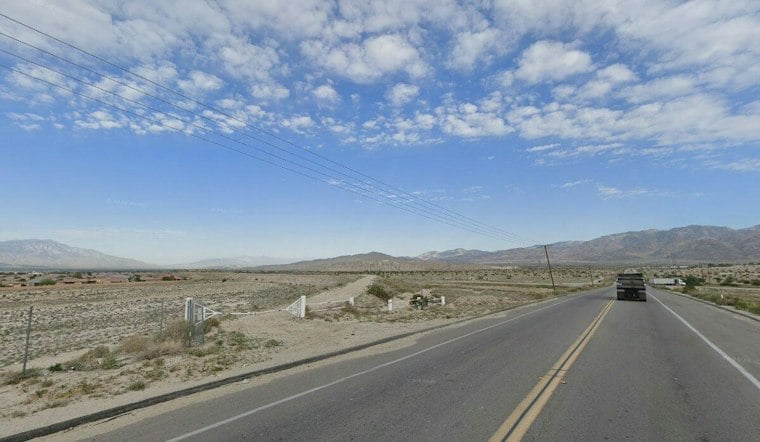
Indio's City Council unanimously approved a third amendment to the Citrus Ranch development agreement this past Wednesday, clearing another procedural hurdle for a sprawling North Indio project that has been in the works for nearly two decades. The amendment does not change what can be built, how dense it can be, or how it will look. It simply updates financial, procedural, and administrative terms tied to the more than 1,100-acre development planned west of Dillon Road.
What the Amendment Actually Changes — and What It Doesn't
According to KESQ, Wednesday's action only addressed financial, procedural, and administrative matters and did not alter the project's approved land uses, density, or overall design. The station reports the Citrus Ranch plan still calls for more than 3,000 homes and units, an 18-hole golf course, a boutique hotel, parks and open space, a community center, and a future fire station site. No members of the public spoke when given the opportunity to comment on the project during the meeting, the station notes.
The vote followed a recommendation from the Indio Planning Commission, which voted on Oct. 14 to advise the council to approve the same third amendment to the development agreement and pre-annexation agreement, according to a report from Citizen Portal. That same account notes the applicant stated that the second and third amendments would not take effect unless Robeson Encore purchases the property.
A $74 Million Sewer Problem Still on the Table
Even as paperwork moves forward, the project's underlying infrastructure questions remain unresolved. Per the same Citizen Portal report, the applicant told commissioners that the Coachella Valley Water District no longer has capacity to serve the project as planned, estimating that a sewer connection fix could cost roughly $74 million. The report identifies power and sewer capacity, tribal land crossings needed for sewer alignments, and CEQA considerations tied to any substantive changes as issues that still must be resolved before construction can begin.
Those infrastructure concerns have surfaced alongside a separate dispute over environmental review. An earlier Citizen Portal account describes residents asking the Indio council to require a new environmental review for a prior Citrus Ranch extension, arguing that conditions on the ground had changed since the project was first evaluated. City staff and the city attorney, however, reportedly advised that the extension alone would not trigger a reopening of CEQA review. A CEQAnet record tied to that earlier, second amendment states that the project had previously been evaluated in a certified Final Environmental Impact Report, and that the City Council determined no further environmental review was required under CEQA Guidelines Section 15162 — a determination specific to that second amendment, not Wednesday's third.
A Project Nearly Two Decades in the Making
Citrus Ranch's path to this point stretches back to 2007, when the Indio City Council approved a road map for the site proposed by SunCal Companies, according to The Desert Sun. The same 2014 report detailed the Saxony Group's purchase of the property and plans for a golf course and boutique hotel features that echo the amenities still listed in the current plan. That coverage also placed Citrus Ranch among a handful of large desert master-planned communities proposed around that era, including the 2,200-acre La Entrada project near Coachella and the 972-acre Highland Falls development in Desert Hot Springs, which was slated for 3,500 homes and two 18-hole golf courses.
The development agreement's timeline itself has already been extended once through administrative action. Citizen Portal's reporting on the third amendment notes that the July 2026 second amendment extended the development agreement to July 26, 2032, and established criteria that could allow for a further extension down the line. That earlier amendment, according to a city council agenda from July 15, 2026, was introduced as Ordinance No. 1842 and was described specifically as addressing the agreement's term and term-extension provisions.
For now, what residents in North Indio have is an approved set of administrative terms rather than a construction timeline. The infrastructure hurdles — the sewer capacity shortfall, the tribal land crossing questions, and the open CEQA considerations tied to any substantive future changes — remain exactly where the Planning Commission's October review left them: unresolved, and still ahead of whatever comes next for the 1,100-acre property west of Dillon Road.




