

























































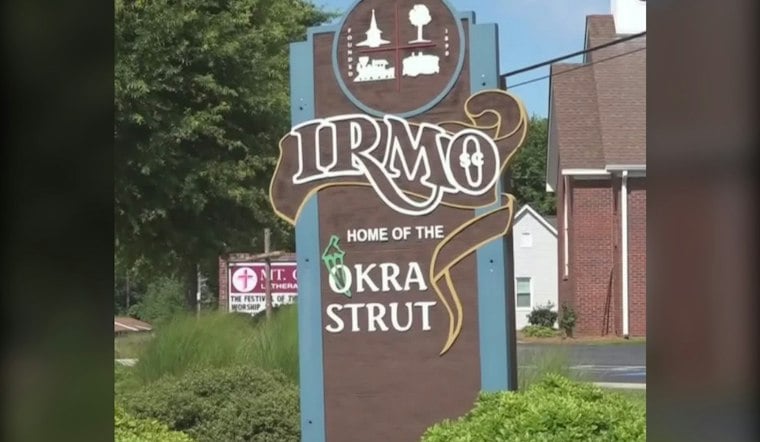
Irmo voters turned down a proposal that would have reshaped how their town government runs, with unofficial results showing 2,378 votes against the change and 2,109 in favor. The measure asked residents whether to formally shift Irmo from its current council form of government to a council-manager structure, and it fell short by roughly six percentage points once all precincts in both counties reported.
The vote broke down differently depending on which side of the town line residents live on, according to Yahoo News. In Lexington County, 823 voters opposed the switch compared to 709 in favor, a 53.7% to 46.3% split. Richland County, which WIS News 10 reports accounted for nearly two-thirds of all ballots cast on the measure, saw 1,555 votes against and 1,400 in favor. Irmo straddles both counties, and opposition led in each one.
Results remain unofficial until county election boards complete certification, the same report notes. For now, though, the outcome means Irmo will keep its existing council form of government rather than moving to the alternative structure town leaders had put before voters.
What the Proposal Would Have Changed
Town Council voted in August to place the referendum on November's general-election ballot, setting up the question for voters. The Post and Courier reported the council's Aug. 4 vote came months before the measure reached the ballot box.
Under the council-manager form that was on offer, town administrator Jim Crosland would have gained formal authority to run Irmo's daily operations, hire and supervise staff, prepare the budget and implement policies the council had already approved, per the same account from the Post and Courier. Town officials framed the change ahead of the vote as something of a formality rather than a dramatic shift in power. According to Who's On The Move, officials said Irmo had operated in practice under a council-manager model for decades, and that the referendum would simply have made that long-standing arrangement official.
How Irmo's Vote Compares to Past Referendums
Voters rejecting a change to their local government structure is not without precedent in the Columbia area. The State reported that a 2013 referendum asking Columbia voters whether to switch from council-manager to a strong-mayor system went down to defeat by 14 percentage points, a wider margin than Irmo's result this week.
Nearby Chapin took the opposite path decades earlier, adopting its current mayor-council form of government in a townwide vote in 1976, according to that same report from The State. The contrast underscores how differently neighboring Midlands towns have settled the question of who runs day-to-day government, whether an elected council majority or a hired administrator holds the reins.
South Carolina law lays out a process for municipalities seeking to determine or change their form of government. A South Carolina Code of Laws excerpt describes a petition requirement, executed by 15% of qualified electors, that must be presented to a municipal governing body and certified by the county election commission before such a vote can occur.





