

























































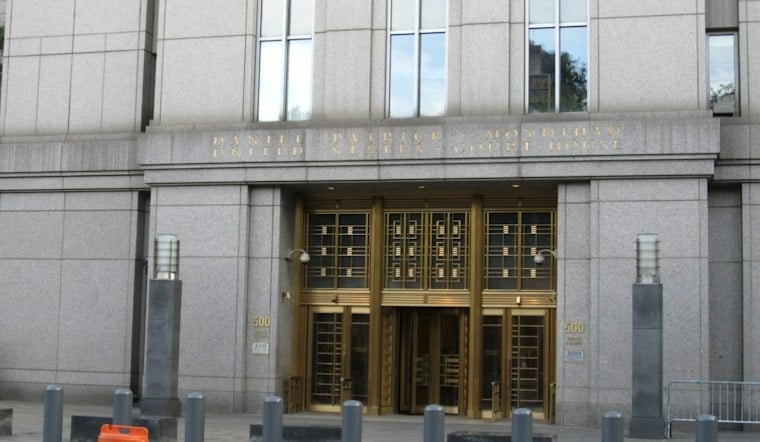
An Israeli music producer who performs as Early Yellow has sued Travis Scott, Don Toliver and Sony Music, claiming the trio built the 2019 hit “What to Do?” around his beat and never paid him a cent. Niv Kalisky filed the lawsuit in Manhattan federal court on Tuesday, alleging that despite being publicly credited as a producer and songwriter on the track, he has collected no master royalties even as the song racked up hundreds of millions of streams.
According to the lawsuit, Kalisky shared an original recording titled “Moazin99bpm” with representatives of two producers working on the track months before it was released, as reported by Rolling Stone. Kalisky says he sent recording files to representatives of producers London Cyr and Jenius in May and July of 2019, and that London Cyr later sent him back a developing version of the song that incorporated his beat for review, on October 30 of that year. Per the lawsuit, the two sides never reached a licensing deal, and Kalisky says the finished track was completed and released on December 27, 2019 without his permission or any agreement in place.
A Beat That Reportedly Fueled 270 Million Streams
Kalisky's complaint claims “What to Do?” has since been streamed more than 270 million times on Spotify and played more than 60 million times on YouTube, according to Music Business Worldwide. Despite Apple Music and Spotify listing him as a producer and songwriter on the track, Kalisky alleges he never received any royalties tied to those numbers. Rolling Stone's report on the suit notes the complaint accuses the defendants of generating “hundreds of millions of compensated streams” while paying him “zero compensation” over the past seven years.
The lawsuit names Travis Scott, Don Toliver and Sony Music as primary defendants, along with Sheck Wes, Mike Dean, London Cyr and Jenius. Five corporate entities are also named, including Sony Music Entertainment, Epic Records, Cactus Jack Records, LaFlame Enterprises and London Cyr Productions, per the same report. Kalisky argues that the credits he received never translated into payment or formal recognition of his claimed ownership stake in the sound recording itself.
Takedown Notices and a Dispute Over DMCA Counter-Claims
The complaint also describes a fight over the song's availability online. Kalisky submitted copyright takedown notices to streaming platforms in October, and the lawsuit alleges Sony Music and Epic Records responded with counter-notifications disputing his claims. The music industry trade outlet reports that “What to Do?,” which had been taken down, was then reinstated on Apple Music, Spotify, YouTube and iTunes.
Kalisky alleges those counter-notifications knowingly misrepresented his rights and violated federal copyright law. The Digital Millennium Copyright Act establishes the procedures rightsholders and alleged infringers use to request removals and challenge those takedowns. The U.S. Copyright Office notes that someone who knowingly makes a material misrepresentation in a counter-notice can be held liable for damages, costs and attorneys' fees — though that general provision does not establish that it applies here, and the allegations against Sony and Epic remain unresolved claims rather than findings.
What Kalisky Is Asking the Court to Do
Beyond the copyright infringement claims, Kalisky's suit also raises unfair competition, misrepresentation and unjust enrichment claims, and accuses the defendants of continuing to distribute and profit from the track despite being on notice of his ownership claims. He is seeking a declaration that he owns 50 percent of the rights in the sound recording, an accounting of revenue generated through its distribution, a share of the track's earnings, and at least $1 million in damages.
He is also asking the court to impose restrictions on further distribution of the song. Music Business Worldwide's report describes this as a request for a permanent ban on the “reproduction, distribution, sale, public performance, or other use or exploitation” of the track. As of publication, representatives for Scott, Toliver and Sony Music have not publicly responded to the allegations; Rolling Stone noted that its requests for comment had not received an immediate response.
Not Travis Scott's First Copyright Fight This Year
This is not the only copyright dispute Scott has faced recently. Last month, a separate case accusing him of using an uncleared sample was resolved without a court ruling on the underlying allegations. That dispute, filed by songwriters Dion Norman and Derrick Ordogne back in January 2024, alleged Scott used a pitch-altered sample of DJ Jimi's 1991 track “Bitches (Reply)” in the songs “Stargazing” and “Til Further Notice,” according to Digital Music News. That case was dismissed without prejudice after nearly three years of litigation, meaning the songwriters could still refile their claims.
Another dispute, over the song “Telekinesis,” played out differently. Singer-songwriter Victory Boyd dismissed her case against Scott in June on terms that bar her from bringing the same claims again, the outlet reported. Kalisky's case, filed Tuesday as detailed by Law Commentary, is now set to join that string of copyright fights trailing the Cactus Jack rapper, with no ruling yet on the merits of his ownership and royalty claims.





