

























































Montgomery County Executive-Elect Will Jawando is moving fast to set his agenda before he even takes office, outlining first-100-day priorities that include the local economy, public schools and public safety as he prepares to inherit a structural budget deficit close to $300 million. The plan comes after Jawando swept into office with 80% of the vote, and it arrives as county agencies are already reviewing their budgets to navigate difficult spending decisions ahead.
Jawando laid out the agenda following his landslide win, according to FOX 5 DC, which reported that his priorities center on the local economy, public schools and public safety. The outlet also reported that Maryland itself faces a potential $3 billion budget deficit, a shortfall that could reduce state funding flowing into Montgomery County and compound the pressure on the incoming administration.
Pressing Annapolis for Tax Flexibility
To help close the gap, Jawando said he plans to press state lawmakers in Annapolis for flexibility to adjust local tax rates, potentially targeting high earners. “We need that flexibility, especially if they're going to pass on costs to us,” he said, per the same FOX 5 DC report. The county executive-elect also plans to hold a series of countywide workshops to gather resident feedback on tax worries, school funding and public safety.
Those local fiscal pressures echo a broader trend across Maryland. In August, county leaders described mounting budget pressures driven by reductions in state aid coupled with costs shifted to local governments and mandated education spending, according to the Baltimore Sun. A Maryland legislative panel was also considering new revenue sources for local governments at the time, including local taxes on restaurants and changes to land-use taxes.
Warnings From Elsewhere in Maryland
Harford County Treasurer Robert Sandlass warned that counties have few options for passing on fiscal pressures and cautioned about volatility ahead. “There's going to be a reckoning next year, probably with your income tax,” Sandlass said, per the Baltimore Sun's reporting. Counties must set an income tax rate of at least 2.25% and no more than 3.7% of an individual's Maryland taxable income.
Jawando's vision for the county, as he described it, goes beyond budget mechanics. “Homes people can afford, schools that care for every child no matter where they're born or live, neighborhoods where everyone's safe and belongs,” he said, according to FOX 5 DC's reporting on his campaign press conference.
Building a Team, Meeting With School Leaders
Jawando told The Baltimore Banner that his first priority is building a “really smart” executive team, including a new police chief. He also said the county budget he develops will prioritize education, affordable housing and protecting seniors. As of the FOX 5 DC report, Jawando had not announced the next county chief administrative officer or chief of police, though announcements for both positions were expected soon.
On schools specifically, Jawando is scheduled to meet with Montgomery County Public Schools Superintendent Thomas Taylor in the coming days to discuss school needs, FOX 5 DC reported. His transition team includes county leaders, community figures and former federal officials, among them former White House Press Secretary Karine Jean-Pierre. Jean-Pierre said early discussions have focused on laying out Jawando's vision as he begins his tenure.
Data Centers and a Historic New Office
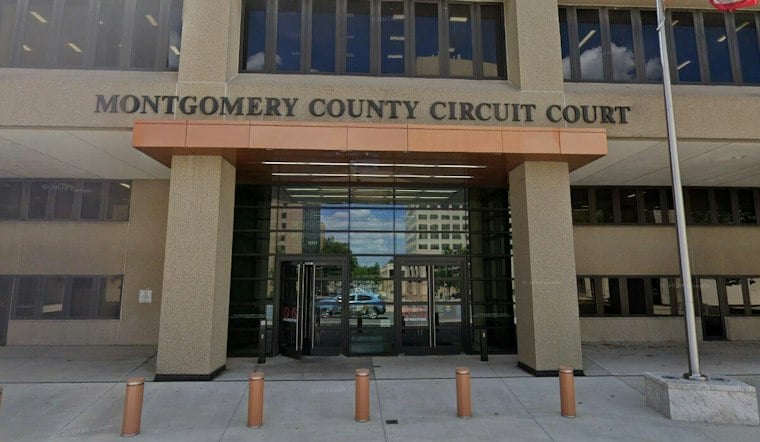
The Banner also reported that Jawando plans to introduce changes to county tax policies that would affect data centers, building on his earlier support for legislation that placed an 18-month moratorium on data center development in July. Separately, Jawando plans to move county executive offices to the historic Rockville courthouse, a building where Thurgood Marshall argued cases as a young lawyer, according to FOX 5 DC.
Jawando will oversee a county government with roughly 10,000 employees, a dramatic leap from the county council staff of five he previously managed. He is scheduled to take office during an inauguration ceremony on December 7. The nearly $300 million deficit he inherits, alongside the state's own potential $3 billion shortfall, sets the stage for a tense opening stretch as agencies continue reviewing their budgets ahead of upcoming spending decisions.



