

























































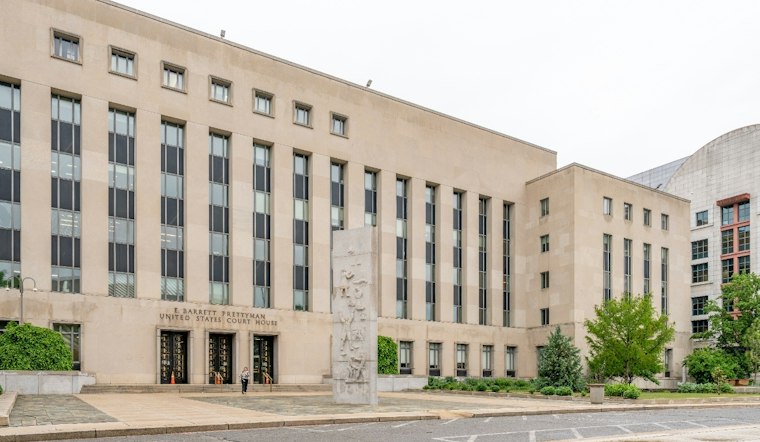
A U.S. citizen who spent eight years trying to bring her husband and two children to the country from Saudi Arabia just watched a federal judge throw out her lawsuit against the State Department, even as the judge acknowledged the ordeal the family had been through. Rana Jaafar Al Ibrahim filed immigrant visa petitions for her husband, Ali Hassan A. Al Faraj, and their two minor children, T.A. and Z.A., back in November 2018, only to see the case dragged down by canceled paperwork, a regional war, and an embassy shutdown before a judge ruled against her this month.
A Case That Stretched Across Eight Years and a War
According to the Tampa Free Press, the Riyadh embassy conducted an initial interview for the family in October 2022 and approved the children's visas, but then returned their passports without actually issuing those visas. In June 2024, the embassy went further, notifying Al Ibrahim that it had terminated T.A.'s application over alleged abandonment. The embassy later admitted that cancellation was a mistake and reinstated the application, but the damage to the family's timeline was already done, the outlet reported.
Per the same report, in October 2025 the embassy asked Al Ibrahim to resubmit documents the family had already submitted three years earlier. The following month, she sued the State Department. By February 2026, the embassy told the family that administrative processing was finished, but then requested medical exams and police clearances ahead of a final re-oath interview. A doctor uploaded the family's medical records on April 1, 2026, and Al Ibrahim notified the embassy in May 2026 that all materials were ready, the Tampa Free Press account states.
War in the Region Upended the Process
Just as the family appeared close to a resolution, regional conflict intervened. The U.S. Embassy and Consulates in Saudi Arabia suspended routine consular services as of April 7, 2026, according to a security alert from the embassy, which said it was providing only limited emergency services for American citizens at that time. The Tampa Free Press reported that by May 21, 2026, the embassy and consulates in Saudi Arabia had closed until further notice and suspended all visa processing, citing the regional war involving Iran. A visa-page notice from the embassy, dated September 29, 2026, later stated that while the Riyadh embassy and consulates in Dhahran and Jeddah were open, routine visa processing remained unavailable in Saudi Arabia at that time.
Facing a stalled case amid the shutdown, Al Ibrahim amended her lawsuit in July 2026 to add the Riyadh embassy as a defendant alongside Secretary of State Marco Rubio, who had been named in the original suit, the Tampa Free Press reported. Federal guidelines call for processing immediate-relative visas within 30 days of receiving all paperwork, but courts have treated that 30-day target as an internal goal rather than a binding legal deadline, according to the outlet's reporting. Federal courts typically assess unreasonable delay by comparing the date of the government's last action on a file with the date the lawsuit was filed, and courts generally require a delay of around five years before intervening, the report states.
Judge Weighs Hardship Against Wartime Resources
Judge Sparkle L. Sooknanan measured the active delay in the case at just over five months, far short of the yearslong threshold courts typically require, according to the Tampa Free Press. The judge found that the family did not meet the legal standards needed to compel State Department action, and found no evidence of intentional bad faith on the government's part, even while saying the government's errors in handling the paperwork raised concerns, the outlet reported.
Sooknanan ultimately dismissed Al Ibrahim's lawsuit against Rubio and the Riyadh embassy, ruling that ordering an immediate decision would put the family ahead of other families still waiting in line, per the report. The judge acknowledged the hardship the plaintiffs had endured but said the government's need to manage scarce resources during a regional crisis outweighed the family's demand for an immediate decision, the Tampa Free Press reported.
A Known Backlog Even Before the War
Long waits for Saudi visa applicants are not new. A State Department inspector general report excerpt has characterized visa appointment wait times for Dhahran and Riyadh as among the longest anywhere in the world, ranking third and fourth globally, according to a document posted by the State Department's Office of Inspector General. That backdrop of chronic delays, paired with the disruption of a regional war, framed the legal fight that ultimately ended in dismissal for Al Ibrahim's family.




