

























































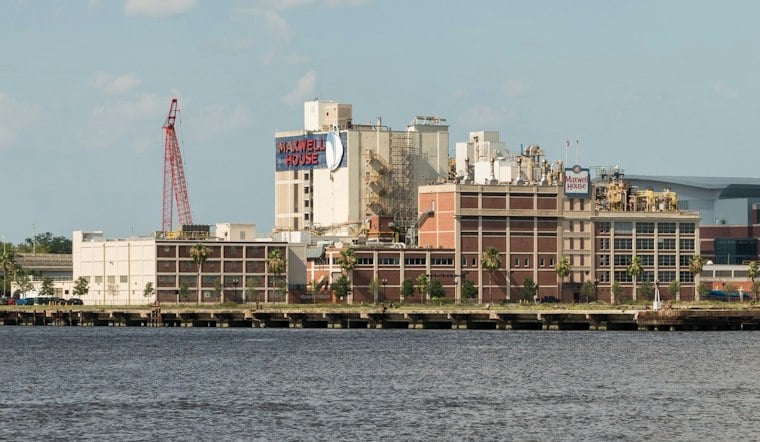
Kraft Heinz said Wednesday it has agreed to sell a majority interest in its North American coffee business, including the century-old Maxwell House plant in downtown Jacksonville, to an affiliate of One Rock Capital Partners. The deal covers Maxwell House and six other brands, but the company has not said what the sale means for the future of its Jacksonville facility or how many people work there now.
The agreement, announced Nov. 4, was reported by the Jacksonville Daily Record, which described the plant at 735 E. Bay St. as the last remaining U.S. Maxwell House plant, operating at that location since 1924. Beyond Maxwell House, the sale includes the Gevalia, Nabob, Yuban, Tassimo, Ethical Bean and Sanka brands, according to the same report. The transaction also includes coffee manufacturing facilities in Jacksonville and Vancouver, British Columbia, per Mass Market Retailers.
Roughly 250 full-time employees are expected to transition with the coffee business as a whole, according to Daily Coffee News, though that figure covers the entire North American operation rather than the Jacksonville site specifically. The Daily Record reported that Kraft Heinz did not immediately respond to an emailed question about how many employees currently work at the Jacksonville plant. A 2020 report from the same outlet had put the plant's staffing at about 200 people, though that number predates the current deal by several years and is not confirmed as a present-day figure.
Deal Terms And What Kraft Heinz Gets Back
Kraft Heinz expects after-tax net cash proceeds of about $500 million from the sale while retaining a 30% equity stake in the business, the Daily Record reported. The company said it will use the proceeds to pay down debt. Separately, CNBC reported the business is valued at $650 million on an enterprise basis, a different measure than the cash proceeds Kraft Heinz expects to pocket.
The sale caps years of on-again, off-again speculation about Maxwell House's fate. Kraft Heinz had been seeking to sell the brand for several years, and financial news outlets reported in 2019 that Maxwell House was for sale, according to the Daily Record's reporting. Follow-up reports at the time said Kraft Heinz pulled back from that earlier sale plan after it couldn't get the price it wanted.
A Shrinking Footprint Across The Country
Maxwell House's history of trimming its U.S. manufacturing footprint stretches back decades. The brand closed its Hoboken, New Jersey plant in 1992 rather than its Jacksonville location, and it closed its last other U.S. facility, in San Leandro, California, in 2017, per the Daily Record's account.
Even as the company weighed a sale, Kraft Heinz had continued investing in the Jacksonville site. A 2025 report from Jacksonville Today said the company was putting money into upgrades at the plant, though it did not provide details about those plans. That earlier report also noted Kraft Heinz had tried to sell the Maxwell House business six years prior and was investing in plant improvements at the time, and the company confirmed by email that its broader upgrade program covered all 30 of its U.S. facilities, including the Downtown Maxwell House plant.
Coffee Sales Climbed As Kraft Heinz Looked To Exit
The sale comes even as Kraft Heinz's coffee brands have been performing well. Coffee sales across all of the company's brands rose 6.5% in the first six months of 2026 to $457 million, the Daily Record reported. Company-wide, Kraft Heinz reported third-quarter net sales of $6.1 billion, down 2%, with organic net sales declining 1.1%, according to Mass Market Retailers. The company also raised its 2026 outlook, now projecting organic net sales to decline 0.5% to 1.25%, an improvement on its earlier forecast of a decline of as much as 2%, CNBC reported.
Kraft Heinz said the sale reflects a strategy of devoting resources to other food-product areas where it can accelerate growth. Higher coffee costs had been cited as a driver of consumer price increases in the company's 2025 financial results, alongside declining coffee sales volumes, per Daily Coffee News.
One Rock Capital Partners has made similar moves before. The firm previously acquired Nestlé's North American bottled water business in 2021, according to Daily Coffee News.



