

























































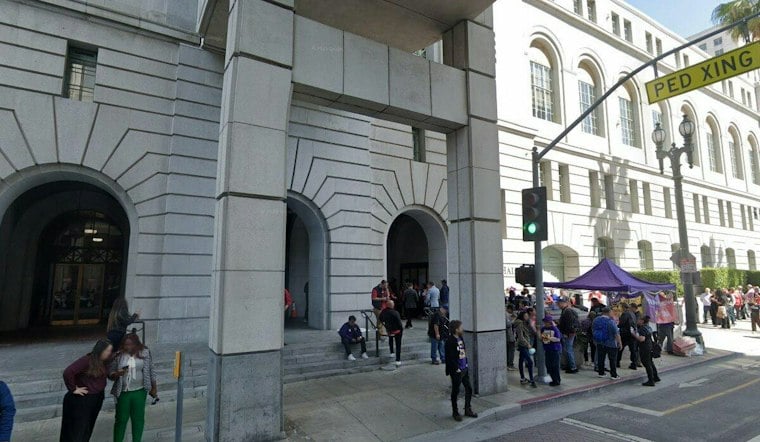
Challenging a Los Angeles development project at City Hall is about to get a lot pricier. The Los Angeles City Council voted 13-0 to instruct the city attorney to draft an ordinance that would raise appeal fees for city development and land-use decisions, with charges climbing from $229 to as much as $2,289 depending on where a resident lives relative to the project.
From $229 to Over $2,000 Overnight
Under the plan, residents within a project's noticing radius — typically around 500 feet of a proposed development — would see their appeal fee rise from $229 to $1,145, while those outside that radius would pay $2,289, according to the Los Angeles Times. Advocates say non-neighbor applicants could ultimately face charges exceeding $2,800 once surcharges are added, a jump the paper describes as amounting to almost 900% over the current fee. The proposed ordinance still requires further City Council approval before it becomes final.
The Los Angeles Department of City Planning, which manages the city's land use and makes key decisions on development projects and zoning regulations, allows residents to appeal planning decisions covering everything from zoning exemptions to fire safety violations and roadway or parking concerns. That appeal process is a required step before a development dispute can even reach court, per the same report.
Why City Hall Says the Math Doesn't Add Up
The $229 fee, in place since February, represented only about 1% of the city's estimated appeal-processing cost, with the city general fund subsidizing the rest, the Times reports. City Planning has estimated that processing a single appeal application costs about $22,894, and the department hired an independent consultant to evaluate the cost of its processes. Under the new structure, the nearby-resident fee would cover roughly 5% of that expected processing cost, while the non-neighbor fee would cover about 10%.
The push traces back to October 2025, when the Planning and Land Use Management Committee instructed the planning department to explore alternative appeal prices aimed at reducing the general fund's subsidy. A department spokesperson told the Times that determining the cost of a process is separate from determining its fee, and that some planning functions remain city-subsidized by design. The proposed fee change could save the city about $254,086 in subsidies, according to a City Planning Department report cited by the paper.
Councilmember Bob Blumenfield has framed the increase as a matter of fairness and sustainability, saying Los Angeles appeal fees are below those of peer cities and should rise because city funds support other critical programs. At an August Planning and Land Use Commission meeting, he said the change would bring Los Angeles in line with other California cities. A separate account from CityWatch reports that Blumenfield and his PLUM Committee colleagues advanced the broader proposal on August 25, with the Budget and Finance Committee concurring on October 6 and both committees unanimously supporting the increases. CityWatch also notes Blumenfield has cited a doubling of appeals over three years and roughly $4 million in city subsidies covering appeal-processing costs.
How L.A.'s Fees Would Stack Up
Supporters argue the higher fees would align Los Angeles with charges in other cities and discourage frivolous challenges that drive up housing development costs. The Times reports that appeal fees run over $1,000 in Los Angeles County, around $1,000 in San Diego, about $750 in Santa Monica, and can reach $3,000 in Berkeley, citing a City Planning Department report.
Victoria Gomez, political organizer for Southern California at the Housing Action Coalition, a nonprofit that advocates for more housing in the state, said cheap, subsidized appeals are being used to delay housing the city cannot wait for. Her organization called the fee increase a small and meaningful step toward deterring unnecessary delays. City Planning Department data cited by the Times shows appeal applications fell from 217 in 2020 to 91 in 2025, with 90 received so far in 2026, and appeals from residents within the noticing radius accounting for about 30% of past appeals.
Homeowner Groups Push Back
Homeowner groups opposed the increase, arguing it would make it harder for residents to challenge city actions. Doug Haines, representing the East Hollywood Neighborhood Council, said the fee hike would suppress the community's opportunity to voice concerns, according to the Times. Haines argued Los Angeles development processes cannot be fairly compared with those of other state cities and said residents need an affordable appeals process, calling the overall process corrupt from beginning to end.
Mark Kenyon, a Mount Washington resident, wrote in opposition that the fee change was hidden in a procedural council item and lacked transparency. He said the increase would block public participation and that residents unable to pay simply would not appeal. Amid the pushback, the council agreed to consider retaining the current $229 fee for tenants displaced by development, referring that narrower proposal to committee for further study.
Separately, Angelenos for Historic Preservation petitioned the California Department of Justice and the state deputy attorney general to defer the vote, though the department had not responded to the Times' request for comment as of publication. The debate echoes a similar fight in 2021, when the City Council's PLUM Committee approved a smaller appeal-fee increase from the Department of City Planning rather than the steeper cost-recovery figure proposed by the City Administrative Officer, according to the Westside Regional Alliance of Councils.
Other Cities Have Faced the Same Fight
Los Angeles isn't alone in wrestling with appeal-fee economics. Albuquerque's City Council voted 5-4 last month to approve Ordinance O-26-60, creating a new fee schedule under which appealing an approved application now costs $1,000 — including a $925 filing fee and a $75 notice fee — while appealing a denied application costs $300, up from a previous range of $190 to $265, according to City Desk ABQ. That ordinance permits Albuquerque's Planning Department to reduce or waive fees for qualifying low-income, indigent, or hardship cases.
In Encinitas, the City Council unanimously voted in August to raise its Planning Commission appeal fee from $467 to $500, rejecting a staff-recommended jump to $1,400, as reported by the San Diego Union-Tribune. City staff there said the $467 fee covered only about 5% of the actual cost of providing the service, and City Manager Jennifer Campbell noted neighboring cities charge $2,000 in San Marcos, $1,728 in Del Mar, and $1,118 in Solana Beach. Encinitas projected the broader fee changes could add nearly $1.5 million in city revenue in the coming year if development continues at its current pace.





