

























































The Los Angeles Auto Show used its industry day this month to put transit planners, engineers and brand executives on the same stage, with one panel zeroing in on a question that will define 2028: how does a city move a million extra daily trips without breaking the buses regular Angelenos already depend on. The session, held during AutoMobility LA, paired Olympic mobility planning with a separate conversation about sports, music and fan engagement — and it landed just as LA's transit agency continues refining its Games-time playbook.
Industry Day Puts Olympics Planning Center Stage
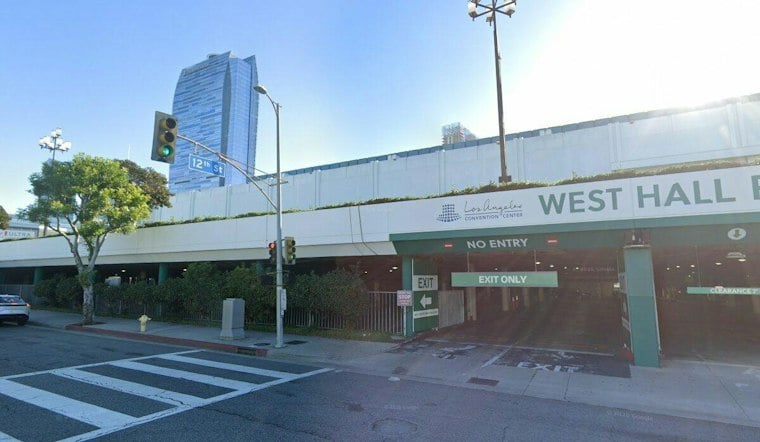
AutoMobility LA, described as the Los Angeles Auto Show's industry day, took place Nov. 19 at the Los Angeles Convention Center, according to laautoshow.com, ahead of the full Auto Show running Nov. 20-29. It was there that the Auto Show held its inaugural Deals & Dealmakers program, a new addition that brought together LA Metro, AECOM, Archer, BMW Group's Designworks, the Los Angeles Rams, Billboard and Bulldog DM, as reported by the Santa Monica Daily Press. Jennifer Vernon, who founded Emersa, created the program alongside the Auto Show and said it was designed to foster collaboration and community among brand leaders, teams, artists and IP owners, per the same report.
The first panel, titled The Road to the Games: Olympic Mobility & Innovation, featured Matt Petersen, CEO of the Los Angeles Cleantech Incubator, alongside Andrew Bui, AECOM's senior vice president for global bus and zero-emission transportation, and Matthew Potter, Designworks' director of interaction design — a lineup confirmed by the Auto Show's own published schedule. The panel explored which infrastructure investments would serve Los Angeles residents for decades and which would be needed only for a few weeks around the Games, the Santa Monica Daily Press reported.
Metro's Chief Innovation Officer Frames the Real Challenge
Seleta Reynolds, LA Metro's chief innovation officer, outlined what the station's report described as the core difficulty: moving spectators and Games workforce while keeping bus service dependable for the school and work riders who use it every day. Metro has estimated it will need to borrow about 1,700 buses for the Games, according to the Santa Monica Daily Press account of the panel. That figure describes a different measure than the 3,000 buses officials have separately said they would need to borrow for the Olympics, a number reported by NBC News — the two figures should not be treated as interchangeable.
Reynolds has previously said, speaking at an earlier APTA rail conference, that streets could be made into places of celebration rather than mere transit corridors, per the Santa Monica Daily Press. Metro's own planning materials describe a Games Enhanced Transit Service, or GETS, as a temporary supplementary service meant to connect rail and busway stations and temporary park-and-ride sites with competition venues, according to metro.net. The agency's stated goal is to let every ticketed spectator reach a venue by public transit, walking or cycling.
The World Cup Offered an Early Dry Run
Panelists pointed to the 2026 FIFA World Cup as a glimpse of what that transportation demand might look like, the Santa Monica Daily Press reported. Enhanced service during the tournament supported more than 212,000 bus rides, according to Los Angeles, while ridership on the K Line rose 41% on match days and the C Line rose 23%, per the same panel discussion. Those numbers track with broader World Cup reporting: Metro ridership to matches climbed from roughly 18,000 passengers on the first game day to more than 31,000 riders at last count, according to Spectrum News 1.
Metro added 15 shuttle lines to carry World Cup spectators to SoFi Stadium from major rail stations and transit centers, NBC News reported, and nearly 50,000 rail rides were taken for the July 2 Spain-Austria match alone, with more than 30,000 shuttle rides recorded for that same game. Officials described the tournament as an early test run for the 2028 Olympics, which organizers have billed as a no-car Games, according to the outlet. For the World Cup, Metro borrowed about 200 buses to meet demand — far short of the 3,000 officials say the Olympics will require.
Not everything about the World Cup test went smoothly. A transportation expert told Spectrum News 1 that Metro could improve way-finding, particularly helping fans locate shuttle buses after leaving the stadium. Matthew Potter's panel discussion touched on a similar idea, describing how a game-day sign could show bus riders where a bus moved and how to walk to it — and how that same sign could later guide commuters through a routine detour years after the Games end, according to the Santa Monica Daily Press.
Funding and Infrastructure Still Taking Shape
Money remains a open variable. Metro officials have said expanding shuttle service for 2028 the way it did for the World Cup depends partly on federal support, with more than half of the needed funding still outstanding, Spectrum News 1 reported. Metro has pointed to a $139 million U.S. Department of Transportation grant intended to restore community connectivity ahead of the Games, according to its own Games planning page, and the agency says its region currently has almost 50 miles of bus-only lanes.
LA Metro also plans to roughly double its bus fleet on a temporary basis for the Olympics, according to Clean Energy Wire, with the agency estimating the Games will generate roughly one million additional trips per day across the system. Elsewhere on the panel, Archer's general manager George Kivork discussed the company's proposed four-passenger electric air taxi, while regional airports weigh how much aircraft charging capacity to install, the Santa Monica Daily Press reported. A separate World Cup pilot brought mobile electric-vehicle chargers to locations where permanent equipment might otherwise sit underused once crowds left.
A Second Panel Looked Beyond the Roads
The day's second session, The Power of Brands and Fans: Music, Sports & Tech, featured Billboard's executive director of brand partnerships Corey Armend, the Los Angeles Rams' director of partnerships Evan Drapeau, and Bulldog DM founder and CEO John Petrocelli, according to the Auto Show's schedule. That panel explored how sports teams and musicians attract different audiences and how streaming can reach viewers worldwide, the Santa Monica Daily Press reported. Bulldog DM worked on an Auto Show activation the same morning as the program and has previously worked with Hyundai, distributing a vehicle unveiling across Hyundai's social channels so prospective buyers could see the new car at the same time as reporters on the show floor.
The entertainment thread continued days later when the Los Angeles Rams hosted the Green Bay Packers at SoFi Stadium on Thanksgiving Eve, kicking off at 5 p.m. Pacific as the NFL's first Thanksgiving Eve game, according to the Santa Monica Daily Press. U2 performed at halftime, marking the band's 50th anniversary, with the game streamed globally on Netflix and airing locally on NBC4.





