

























































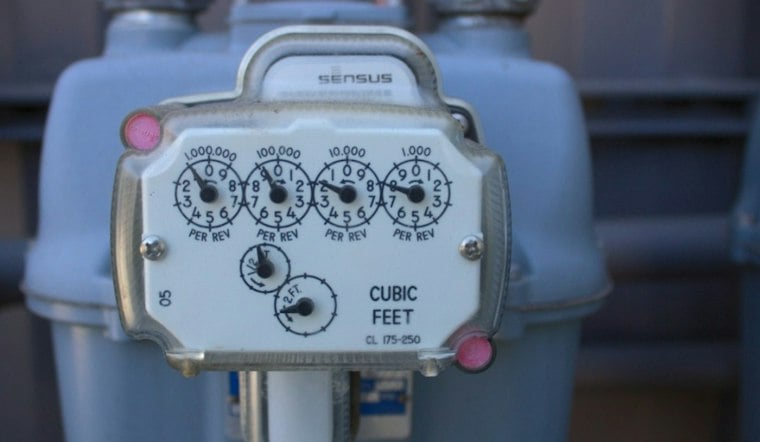
Water bills in LaGrange, Ohio have suddenly spiked for some residents, and village officials say the culprit is old meters that had been quietly undercounting usage for years. Replacement meters installed this fall revealed the discrepancy, triggering catch-up charges that left some households owing hundreds of dollars more than usual on a single bill.
Mark Varady, who said his typical monthly bill runs about $130, told News 5 Cleveland WEWS he was billed $382 after the village attributed 22,000 gallons of previously unpaid use to him accumulated over about 20 years — an increase of more than 180 percent over his normal charge. Varady called the jump a reflection of village negligence and questioned the village's legal authority to impose the costs. He and fellow retiree Dennis Smith, both living on fixed incomes, said the unexpected expense will be a hardship for many people in town.
Smith, whose family has lived in their LaGrange home for more than 50 years, said his October water bill was $114 before his November charge jumped to $297. He told the station a small meter inaccuracy had caused a large billing change and questioned why it hadn't been corrected sooner, adding that rising living costs already strain what his household can afford.
Village Says Old Meters Undercounted for Years
Mayor Gary Kincannon has acknowledged that years of inaccurate readings from LaGrange's aging water meters contributed to the increases, saying the village's water use was substantially below the amount it had been billing residents. As cleveland19.com reported, Kincannon said a large undercount caused substantial increases for some residents once replacement readings caught up on usage, noting that some customers had been undercharged too.
Kincannon said many residents who raised concerns at a recent meeting had received bills $200 or $300 higher than usual. The mayor said the village should have acted proactively rather than reactively in addressing the aging meters, which are roughly 30 years old; per the same account, LaGrange has been in the process of upgrading those meters for about five years, with replacement units installed at various homes this fall.
Not every household was hit the same way. Residents have described a range of outcomes, with some bills more than doubling from the previous month while others saw little change. Julie Carpenter said her usual bill ran about $120 to $130, but after a new meter went in at her home on Oct. 26, she received a bill for $339 that included an additional 19,300 gallons, the station reported.
No Water Plant of Its Own
LaGrange does not operate its own water treatment facility. Kincannon explained that the village buys its water from the Rural Lorain County Water Authority rather than producing it locally. “We don’t have our own water plant. We used to years and years ago, but we buy our water,” he said, according to the same report.
This isn't the first time the meter discrepancies have hit the village's finances. LaGrange transferred $140,000 from its general fund in November 2024 to bridge a gap created by the water-billing shortfall, according to the article from the station's reporting.
Council Weighs Payment Options, Shutoff Protections
Some residents argue they shouldn't bear costs tied to what they consider faulty village equipment. The Village Council is considering an ordinance that would let residents spread the catch-up costs over several payments rather than paying in one lump sum, and the village has also said that residents who pay an estimated bill based on their previous payments won't have their water shut off in the meantime.
Kincannon has said the village is weighing all its options, which the mayor has indicated could include LaGrange absorbing some of the costs itself rather than passing the full amount on to residents. No final resolution had been announced at the time residents were interviewed, and the Village Council is scheduled to revisit the concerns at a work session set for 6:30 p.m. on Nov. 19.
Separately, Ohio law addresses how municipalities must handle unpaid water charges before certifying them for collection. Under Ohio Revised Code §735.29, a village board must accept partial payment of unpaid water rents or charges, so long as the payment is at least $10, before certification. It remains unclear how that provision might apply to LaGrange's disputed catch-up bills.



