

























































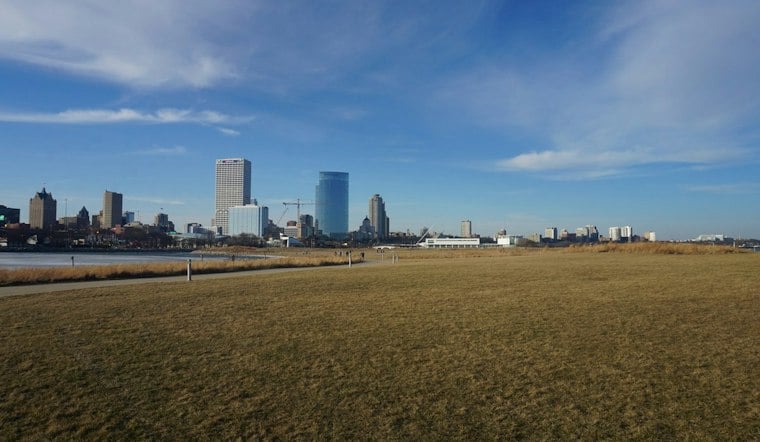
Smoke rolled across Lakeshore State Park's prairie this week as crews deliberately set the Milwaukee lakefront landmark on fire, a scene that might alarm passersby but represents exactly what park managers wanted. The controlled burn took about two hours to sweep through every prairie section of the park, targeting invasive plants like reed canary grass, vetches and thistle that choke out native species.
The Wisconsin Department of Natural Resources carried out the burn for the second consecutive year, according to the Milwaukee Journal Sentinel. Good Oak Ecological Services assisted the DNR with the burn, using oil pumps, ignition devices, rubber tamping sticks and other equipment to get the fire going, the outlet reports. Park managers conduct these periodic burns because controlled fire removes dead vegetation, reduces invasive species and introduces carbon into the soil for living plants to use.
A Fast-Moving Fire With a Careful Plan
Lakeshore State Park's prairie grasses burn fast, and the paper notes that the park's southern end takes only a few minutes to burn, clear and resettle once the flames pass through. DNR officials alerted local fire departments and police well in advance, and according to the same report, officials said they encountered few issues with alarmed bystanders. The park, which has signs posted at its only two entries, is designed to keep visitors informed during burn operations.
Lakeshore State Park manager Elaine Zautke said the burn is conducted in segments specifically to give animals places to hide and relocate as the fire moves through. She said the wind was favorable this time around and that the burn finished without any issue, per the Journal Sentinel's account. Park wildlife adapted quickly: a heron simply moved into a nearby cattail pond before flying north over Lake Michigan, the outlet reports, and DNR staff said waterfowl and other wildlife typically return within a few days once they recognize their home is safe again.
Building on the Park's First-Ever Burn
This marks the second year Lakeshore State Park has undergone a prescribed burn. The park's first-ever controlled burn happened in April 2025, covering 9.5 acres of prairie out of the park's 22 total acres, according to Wisconsin Conservation. That burn window ran from March 31 through April 9, 2025, depending on weather, and the park closed entirely while a Good Oak Ecological Services crew carried out the work. Funding for that first burn came from a mix of sources including the Natural Resources Foundation of Wisconsin, the Fund for Lake Michigan and Friends of Lakeshore State Park, the conservation group notes.
Within a few weeks of that 2025 burn, the park regained its flowers and prairie vegetation, the Journal Sentinel reported at the time. This year's fall burn effectively tests whether burning in autumn removes invasive plants more effectively than the spring timing used in 2025, per the paper's reporting. Zautke said additional native seeding and plant installations are planned for this summer through collaborative funding efforts, aiming to further diversify the park's prairie.
Part of a Statewide Push
The DNR's Lakeshore burn is one piece of a much larger operation. Wisconsin DNR manager Zautke has previously said that conducting a prescribed burn enhances prairie habitat treasured by bird and insect species while reducing runoff through improved native prairie success, according to a Wisconsin DNR release. Statewide, the agency uses controlled fire in prairies, savannas and forests to improve habitat, reduce invasive species, stimulate wildflowers and grasses, and control brush, as Outdoor News has reported.
Controlled burns have gained popularity in DNR conservation plans in recent years. The agency has prescribed 1,992 controlled burns across Wisconsin since it began tracking the practice in 2019, and it burns roughly 30,000 acres of land every year, per the Journal Sentinel's figures. Outdoor News also notes the DNR launched an online dashboard in 2021 tracking its prescribed-burning program. This year's fires began in March in southern Wisconsin, and the program covers state-owned properties.





