

























































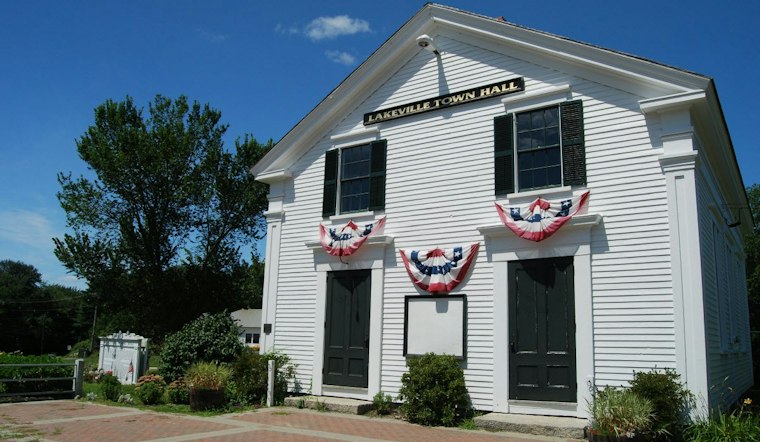
Lakeville homeowners are bracing for higher tax bills next year, with the average single-family property tax bill projected to climb from $6,096 to $6,303 — a $207 increase, or about 3.4 percent. The figure comes from the average Lakeville home, valued at $625,900, and was presented during a tax classification hearing at the town's Nov. 23 Select Board meeting.
Interim Tax Assessor Harold M. Scheid shared the updated numbers at the hearing, according to Nemasket Week. Condo owners will see a smaller but still notable bump: the average Lakeville condominium, valued at $463,000, is projected to see its tax bill rise from $4,517 to $4,670, an increase of $153. The proposed tax rate for next year is $10.07 per $1,000 of property value.
Board Holds the Line on a Single Rate
Despite the rising bills, the Select Board agreed unanimously to keep charging the same tax rate to both businesses and residential property owners, rather than shifting to a split-rate system that taxes commercial property more heavily. The same report notes the board nonetheless spent time weighing whether a higher business rate might someday ease the load on homeowners.
Select Board member Chris Plonka said the board could discuss a higher business tax rate to show residents it is considering ways to reduce their tax burden, per the same account. The math on how much relief that would actually buy residents, however, remains a sticking point among town officials.
Why a Shift Wouldn't Move the Needle Much
John Olivieri Jr., chair of Lakeville's Board of Assessors, said the vast majority of the town's tax revenue comes from residential properties — about 89 percent, with businesses providing roughly 11 percent. Because the commercial tax base is so small relative to the residential one, Olivieri said businesses would have to pay about 9 percent more in taxes just to reduce residential taxpayers' bills by 1 percent.
That estimate echoes, but does not exactly match, a figure from an earlier Nemasket Week report on Lakeville's single-rate decision for the current year, which pegged the needed commercial increase at approximately 10 percent to achieve the same 1 percent residential reduction. The earlier report also said this year's rate was set at $9.74 per $1,000 of property value, about 60 cents below the prior year's rate despite rising property valuations. Olivieri said Lakeville would need more commercial businesses in town before a higher business tax rate becomes a viable option.
Board Eyes a Spring Conversation
The Select Board discussed taking up the tax-rate question earlier the following year. Scheid suggested the town take up the issue in spring alongside budget talks, and said the conversation could include business owners and chamber of commerce representatives.
Select Board member Kristen Howard, who also chairs Lakeville's Economic Development Commission, cautioned against moving too fast. Howard said existing businesses do not want to be penalized simply because they already operate in town, noting that some commercial establishments have advocated for tax breaks to help bring more businesses to Lakeville rather than facing higher rates. She said a separate, higher tax rate for businesses should be discussed once more commercial establishments actually come to town.



