

























































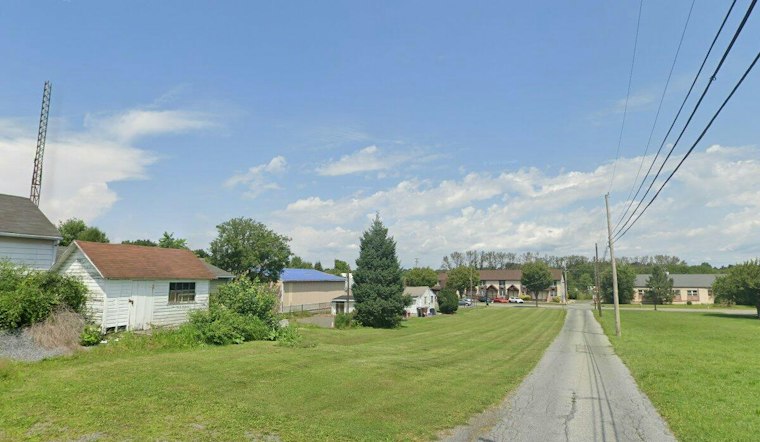
Neighbors near a mixed-use development at 102 Lehigh St. are demanding that their borough council speak publicly about a lawsuit that has pulled a strip of disputed land, a 20-foot alley, and years of neighborhood tension into Lehigh County Court of Common Pleas. The lawsuit, filed October 9 by Donald S. Young and Debra R. Young, names six neighbors as defendants and seeks a court declaration that the Youngs own the contested strip through adverse possession and consentable lines.
According to Lehigh Valley Press, the Youngs developed the approved mixed-use Lumber Street project at 102 Lehigh St., which includes apartments and commercial space after borough council approved the development in 2024. The project has been dogged by disputes over traffic, property ownership, and rights-of-way tied to what court filings describe as Green Street, a 20-foot alley referenced in neighboring deeds. The Youngs contend in their complaint that no alley currently exists on the ground today.
The lawsuit names Wendy L. Horn, Donald J. Moyer, Nancy R. Moyer, Brenda L. Decker, Brad M. Plouffe and Susan M. Plouffe as defendants. The Youngs allege that Horn and Decker made false statements about property ownership and use, and that those statements interfered with their development plans, per the complaint as reported by the outlet. The couple argues that legal action is needed to determine ownership and address statements they say caused them harm, and they are seeking damages exceeding $50,000, plus attorney fees, costs and interest.
Residents Say Council Stayed Silent at Two Meetings
Paul Licotta and Tim Romig asked borough council to address the lawsuit during public comment, but council did not respond to audience members' calls for a public response, nor did it respond to residents' calls for comment on the litigation at the Nov. 2 meeting. The borough did not explain its decision not to comment on the pending litigation, the report notes.
Licotta said neighbors named in the lawsuit had researched documents, attended meetings and raised concerns for months before the suit was filed. He argued that the issues now before the court were raised during the borough's review and approval process for the development, and he said records indicate portions of the disputed area may be borough-owned property. Residents have separately raised concerns about Green Street ownership, access rights and use within the development, and audience members urged borough council to take action or publicly respond to the litigation.
The Youngs' Claim Rests on Decades of Use
Central to the Youngs' case is a claim that they and their predecessors maintained and occupied the property for more than 21 years, according to the complaint, and they argue that competing property claims have been extinguished through decades of continuous use and maintenance. The couple has asked the court to settle competing claims to the land and grant other relief.
Pennsylvania law generally requires that an action for the possession of real property be commenced within 21 years, subject to an exception laid out in a separate statute, according to Pennsylvania General Assembly, Title 42 § 5530. That exception, codified at Title 42 § 5527.1, allows title to real property to be acquired after no less than 10 years of actual, continuous, exclusive, visible, notorious, distinct and hostile possession. Lawmakers added that provision through Act 34 on June 19, 2018, with the amendment taking effect a year later.
Under § 5527.1, qualifying real estate cannot exceed one-half acre, must be identified as a separate lot, and must be improved by a single-family dwelling occupied by the possessor for the full 10-year period. The statute also requires a possessor seeking title under that section to commence a quiet title action and provide notice to record owners, who then have one year to respond by filing an ejectment action disputing the adverse-possession claim. The supplied legal text does not establish whether those specific property and possession requirements apply to the Green Street alley or the parcels at issue in the Youngs' suit.
The lawsuit remains pending in Lehigh County Court of Common Pleas. For now, residents who pressed the issue at two consecutive council meetings are left without a public explanation from their elected officials, even as the underlying property dispute moves through the courts.




