

























































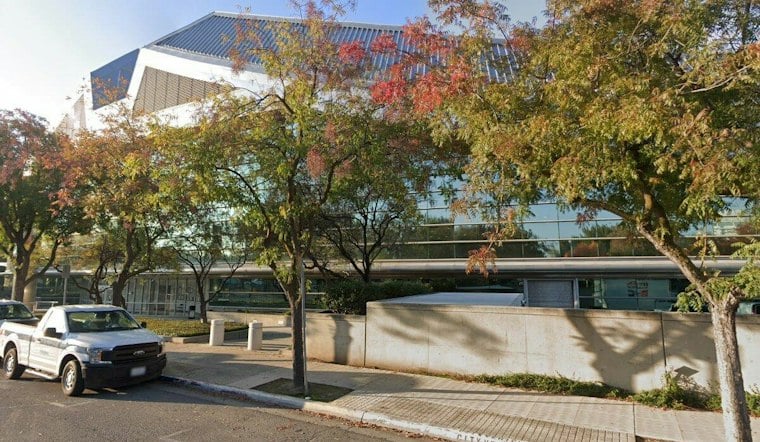
A proposed 100-megawatt AI data center at Naval Air Station Lemoore could use as much as 1,860 acre-feet of water annually, based on general industry estimates. The estimate underscores the stakes in a region facing water concerns.
Ameresco announced plans for a 100-megawatt data center at Naval Air Station Lemoore in September 2025. Data Center Dynamics reported in November 2026 that the Navy, Ameresco Inc. and CyrusOne were partnering on the project. It would offer language model training, real-time analytics and other systems to the base, according to SJV Water. Ameresco separately confirmed to Data Center Dynamics that it is developing the 100-megawatt facility at the base, which would be colocated with an Ameresco-built onsite energy facility forming a microgrid of engine generators, control systems and infrastructure upgrades. The first segment of the project is expected to come online in 2027 on land Ameresco has leased from the Department of Defense, though the report noted the development agreements are still being finalized.
Development agreements are still being finalized, and Ameresco and CyrusOne did not respond to requests for comment.
How Much Water Could an AI Data Center Actually Use?
No one has produced a water-use estimate specific to the Lemoore project, but general industry figures give a sense of the stakes. A 2021 study published in Nature found that a typical 1-megawatt data center uses about 18.6 acre-feet of water per year, a benchmark cited in the same SJV Water report. Applied to a 100-megawatt facility, that would put the Lemoore project's potential water use as high as 1,860 acre-feet annually.
A separate figure comes from the International Energy Agency's 2025 report, which estimates a 100-megawatt data center could use up to 600 acre-feet of water a year. None of these figures are specific to Lemoore, and the facility's actual demand will depend on its eventual size and cooling system, which remain undetermined.
Who Controls the Water Near Lemoore?
Westlands Water District, which serves an area stretching from west Fresno County into Kings County, has rights to make available 5,000 acre-feet of surface water per year to Naval Air Station Lemoore, drawing supply from the Central Valley Project. From March through August 2026, Westlands delivered 1,366 acre-feet to the base.
Broader groundwater concerns affect the region. Questions about whether the district would allocate more water or monitor groundwater use tied to the data center remain open.
Unresolved Legal Questions Over Federal Water Rights
Whether the base holds a federal reserve water right, and whether any such right would cover AI data center use, remains unclear. It is also unresolved whether the State Water Resources Control Board, which enforces the Sustainable Groundwater Management Act, has jurisdiction over water use at the base, or whether the Westlands groundwater sustainability agency has authority to limit groundwater use on a federal installation. Naval Air Station Lemoore is the federal installation at the center of the dispute.
A comparable water-rights dispute played out at Naval Air Station China Lake in eastern Kern County, where a judge ruled in 2025 that the base could claim only 2,000 acre-feet of groundwater annually, rejecting the base's argument that it needed more water to sustain off-base personnel considered critical to its mission. The judge found that use was not allowed under the Winters Doctrine, a 1908 legal principle holding that federal land reservations carry water rights sufficient for their primary purpose, but no more.
Captain Jeffry Findlay has said the Lemoore data center supports national priorities in AI and energy dominance and strengthens mission support and operational continuity.
A Pattern Playing Out in the Desert, Too
A similar fight over transparency is unfolding at a proposed AI data center in Inyokern, which has dominated public comments and concerns at the Indian Wells Valley Groundwater Authority for a second consecutive month, per the same SJV Water reporting. That authority does not have the power to approve or deny the project and is instead working on fact-finding; it has approved motions to ask Kern County what conditions it could impose on the data center and to forward residents' concerns to the California Energy Commission. The Inyokern project could use 44 diesel-powered generators to produce 99 megawatts of backup power, a threshold that brings it under California Energy Commission oversight. RB Inyokern has applied to the Energy Commission for a small power plant exemption, and a commission staff member has said the agency will conduct a full CEQA review considering the whole project's impacts, including water use.
SJV Water reporters Lois Henry and Allison Hunter contributed to the original report that forms the basis of this account.



