

























































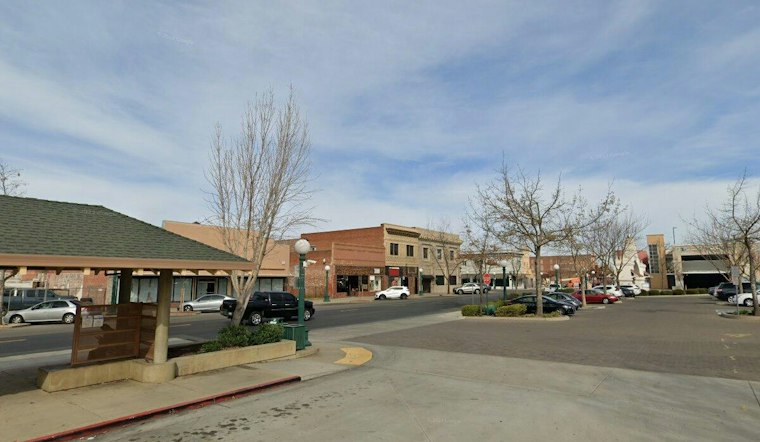
Lodi is exploring a partnership with Union Pacific aimed at clearing homeless encampments that have sprung up alongside railroad tracks across the city, including near the Lodi Transit Station. Police estimate there are 12 such encampments along the rail line, and officers have fielded 10 calls about fires in the area over just the past three months.
The city has obtained a template for a so-called beautification agreement from Union Pacific, according to Lodinews.com, which first reported the city's efforts. Lisa Craig-Hensley said the document is not a finished agreement, stressing that every community is unique. The city is working on an agreement that would involve the city itself, the police department, the city manager's office and the office of law, per Craig-Hensley.
Kara Redding said the proposed agreement would likely cover the full length of railroad track inside Lodi city limits, though the station's report notes the terms themselves remain undetermined. Union Pacific, for its part, is a private company with its own police force, and officials have not said whether the railroad has agreed to Lodi's specific proposal.
Fires, Safety Concerns Driving the Push
Lodi Fire said small fires in the encampment areas are not uncommon, though the department added they are no more frequent there than in other parts of the city. Most fires, the department said, are small and rarely escalate into larger structural blazes. Still, Craig-Hensley said fires in the encampments have affected nearby businesses in recent years, adding urgency to the push for a cleanup arrangement.
Craig-Hensley said she receives regular calls and photos from business owners and community members worried about growing encampments nearby, the same account notes. Railroad encampments also pose serious safety risks to residents when fast-moving trains pass through, according to the report.
Kyle Shadman, Lodi's police community liaison officer, said encampment cleanups demand significant police department time and resources. Shadman often brings along a representative from a local homeless services provider when responding to encampments, offering each person a trespassing citation along with a choice: accept help from the service provider or go with him to jail for booking. People at the encampments often take the citation and go with the provider to access services, per the same account.
Lessons From Other Cities' Union Pacific Deals
Lodi would not be the first California city to pursue this kind of arrangement, and the outcomes elsewhere have been mixed. San Jose finalized a 10-year contract with Union Pacific in December 2020 that promised routine clearing of trash and encampments, according to The Mercury News. That deal called for eight annual cleanups along the city's 30 miles of track, as LB Post reported.
Long Beach has had a tougher time. The city council approved pursuing a memorandum of understanding with Union Pacific in July, but by September 2024 the railroad had made clear it was not open to a formal agreement at that time, according to the Press-Telegram. A city memo found that a San Jose-style deal was not feasible for Long Beach, since it would require committing significant financial and in-kind resources toward outreach, police patrols and fencing. Union Pacific did signal openness to expanding an existing agreement that allows Long Beach police access to railroad property for specified enforcement. Separately, Long Beach fire department calls responding to outdoor fires nearly doubled citywide between 2016 and 2023, per LB Post.
Open Questions in Lodi
Attendees at a Lodi Committee on Homelessness meeting this month questioned whether the city has the resources for a large-scale cleanup on private property, and whether a one-time sweep could leave Lodi responsible for managing future encampments on railroad land. Craig-Hensley said she could not provide a timeline for when encampment removals might begin.
Union Pacific said in a statement attributed to Jill Micek that it supports community efforts to connect people living in encampments with resources while maintaining railroad and community safety. Craig-Hensley noted Lodi has worked with Caltrans before, having partnered with the agency several years ago to remove encampments and install fencing along the Highway 99 corridor. In a separate, unrelated matter, Caltrans has issued a cease-and-desist notice to the San Joaquin County Sheriff's Office over deputies' cleanup of an encampment along the Mokelumne River near Turner Road and Highway 99, according to KCRA.
For now, Lodi's plan remains a work in progress, with no finalized agreement, no confirmed timeline and no public commitment from Union Pacific on the specifics of what a partnership might look like.





